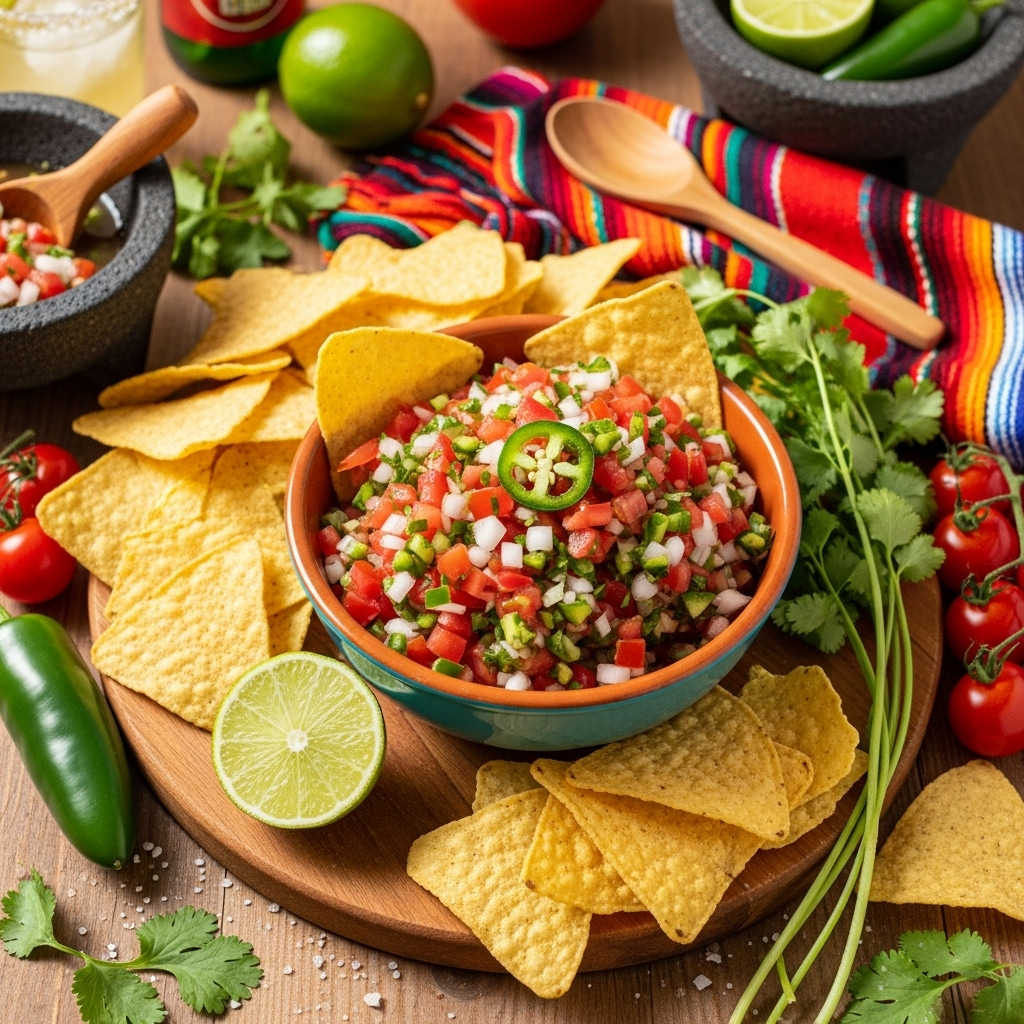
Quick Tomato Salsa: Easy Fresh Homemade Salsa Recipe
Quick tomato salsa is a vibrant, fresh condiment that brings the bright flavors of Mexico right to your kitchen in just 10 minutes. This easy homemade salsa combines juicy tomatoes, zesty lime, aromatic cilantro, and punchy onions to create a chunky, flavorful dip that tastes infinitely better than anything you’d buy at the store. Whether you’re hosting a game day party, planning taco night, or simply craving a healthy snack with tortilla chips, this fresh tomato salsa delivers authentic Mexican flavor with minimal effort.
What makes this recipe so incredibly popular is its perfect balance of convenience and fresh taste. You can create this homemade tomato salsa with just a handful of simple ingredients and basic chopping skills—no special equipment or cooking required. The chunky texture and bright, acidic flavors make it endlessly versatile, working beautifully as a dip, topping, or side dish. It’s become a Pinterest sensation because it’s naturally healthy, budget-friendly, and always receives rave reviews from everyone who tries it. Plus, the gorgeous red color with flecks of green cilantro creates stunning, share-worthy photos.
Serve this quick salsa recipe at summer barbecues, Mexican-themed dinner parties, Super Bowl gatherings, potlucks, or as part of your weekly meal prep routine. It’s perfect with tortilla chips, tacos, burritos, quesadillas, grilled meats, or scrambled eggs. The versatility and fresh flavor make it an essential recipe for anyone who loves Mexican cuisine and wants to avoid preservative-laden store-bought versions.
History / Background
Salsa, which simply means “sauce” in Spanish, has deep roots in Mexican culinary history that stretch back thousands of years to the Aztec, Mayan, and Incan civilizations. The indigenous peoples of Mesoamerica were combining tomatoes, chili peppers, and ground squash seeds long before the Spanish conquest in the 16th century. The Aztecs called this condiment “chilmolli” (chili sauce), and it was an integral part of their diet, used to add flavor and nutrition to corn-based foods like tortillas and tamales.
The tomato itself is native to western South America, but it was domesticated and cultivated extensively in Mexico, where it became a cornerstone ingredient. When Spanish conquistadors arrived in the early 1500s, they encountered these fascinating combinations of tomatoes, chilies, and herbs. The Spanish adapted the Aztec word “salsa” to describe these sauces, and the concept eventually spread throughout Latin America and beyond, with each region developing its own variations.
What we now call “pico de gallo” or fresh tomato salsa gained particular prominence in northern Mexico, especially in states like Sonora and Sinaloa, where fresh ingredients were abundant. The name “pico de gallo” (rooster’s beak) likely refers either to the chopped, pecked appearance of the ingredients or to the pinching motion made with thumb and forefinger when eating it by hand—resembling a rooster pecking at food.
Fresh tomato salsa remained relatively unknown in the United States until the mid-20th century when Mexican cuisine began gaining mainstream popularity. The Tex-Mex food boom of the 1970s and 1980s introduced salsa to American home cooks, who quickly embraced it as a healthier alternative to processed dips. By the 1990s, salsa had actually outsold ketchup as America’s favorite condiment—a remarkable testament to how Mexican flavors had captured American palates.
Today, quick tomato salsa represents the beautiful simplicity of Mexican cuisine: fresh ingredients, bold flavors, and minimal processing. It honors ancient culinary traditions while fitting perfectly into modern lifestyles that prioritize fresh, healthy, quick-to-prepare foods. Making homemade salsa connects us to centuries of culinary wisdom while creating something vibrantly fresh and delicious.
Why You’ll Love This Recipe
This quick tomato salsa recipe is about to revolutionize your snacking, entertaining, and meal prep game. The combination of fresh tomatoes, lime juice, and aromatic herbs creates an explosion of bright flavors that makes store-bought salsa taste flat and lifeless by comparison, proving that homemade is always better when it’s this easy.
Here’s why this easy homemade salsa deserves a permanent spot in your recipe collection:
- Lightning fast – Ready in just 10 minutes with simple knife work and no cooking required
- Incredibly fresh – Tastes like peak summer in a bowl with bright, vibrant flavors
- Budget-friendly – Costs a fraction of restaurant or store-bought salsa
- Naturally healthy – Low calorie, packed with vitamins, and full of fresh vegetables
- Completely customizable – Adjust heat level, chunkiness, and ingredients to your exact preference
- No special equipment – Just a knife, cutting board, and bowl required
- Naturally gluten-free and vegan – Accommodates most dietary restrictions effortlessly
- Perfect for meal prep – Stays fresh for days and pairs with countless meals
- Kid-friendly – Even picky eaters love this when you control the spice level
- Pinterest-perfect – The vibrant colors create gorgeous, shareable photos
- Versatile usage – Works as dip, topping, sauce, or side dish
- Crowd-pleaser guaranteed – Everyone loves fresh salsa, making it ideal for gatherings
- Restaurant-quality at home – Tastes like your favorite Mexican restaurant made it
Ingredient Notes
Understanding your ingredients helps you create the most flavorful, authentic-tasting quick tomato salsa. Here’s what you need to know about each component:
Fresh Tomatoes – The foundation of any great salsa, providing juicy sweetness and that essential tomato flavor. Roma tomatoes (also called plum tomatoes) are the gold standard for salsa because they have fewer seeds, less water content, and meatier flesh that creates the perfect chunky texture. However, any ripe, flavorful tomato works—during peak summer, use whatever looks best at your farmers market. Avoid pale, mealy off-season tomatoes. In winter, grape tomatoes or cherry tomatoes can actually taste better than large tomatoes.
White or Red Onion – Adds sharp, pungent bite that balances the sweet tomatoes. White onion is traditional in Mexican salsa and provides clean, sharp flavor. Red onion is slightly milder and sweeter with beautiful color. Yellow onion works but can be too strong. For milder onion flavor, rinse chopped onion in cold water and pat dry, or let it soak in lime juice for 5 minutes before adding to salsa.
Fresh Cilantro – The quintessential herb in Mexican cuisine, cilantro adds bright, citrusy, almost soapy notes (in a good way!) that define authentic salsa. Use only the leaves and tender stems, discarding tough lower stems. If you’re among the small percentage of people with the genetic variation that makes cilantro taste like soap, substitute with fresh parsley, though the flavor will be different.
Jalapeño Pepper – Provides heat and that distinctive jalapeño flavor. The seeds and white membranes contain most of the capsaicin (heat), so remove them for milder salsa or leave them for spicier versions. Jalapeños vary wildly in heat—taste a tiny piece before adding to gauge intensity. For very mild salsa, use just a small amount or substitute with bell pepper for texture without heat.
Fresh Lime Juice – Essential for brightness and acidity that brings all the flavors together. Fresh-squeezed lime juice is non-negotiable—bottled juice tastes flat and artificial. The acid also helps preserve the salsa and keeps it fresher longer. Mexican or Key limes are more aromatic, but regular Persian limes work perfectly.
Garlic – Adds savory depth and pungency. Fresh raw garlic is potent, so use sparingly. Finely mince or grate on a microplane for even distribution. Some people prefer to omit garlic entirely for a cleaner, fresher flavor profile—it’s a personal preference.
Salt – Absolutely crucial for bringing out all the other flavors. Don’t skip it! Salt makes tomatoes taste more like tomatoes, brightens the lime, and balances the heat. Fine sea salt or kosher salt work best. Add gradually and taste as you go.
Cumin (Optional) – Some recipes include a pinch of ground cumin for earthy, warm undertones. This is more Tex-Mex than traditional Mexican, but many people love the added complexity it brings.
Equipment Needed
The beauty of quick tomato salsa is that you need almost nothing to make it. Here’s what you’ll use:
- Sharp chef’s knife – Essential for efficiently chopping tomatoes, onions, and herbs
- Large cutting board – Preferably one designated for pungent foods like onions and garlic
- Medium mixing bowl – For combining all ingredients
- Citrus juicer or reamer – Optional but helpful for extracting maximum juice from limes
- Measuring cups and spoons – For accurate proportions
- Wooden spoon or spatula – For mixing ingredients together
- Storage container with lid – For refrigerating leftovers
Optional Equipment:
- Food processor – For quicker chopping or smoother texture, though hand-chopped is traditional
- Gloves – Recommended when handling jalapeños to avoid burning your skin or eyes

Tomato Salsa
Fresh, chunky homemade tomato salsa made with ripe tomatoes, cilantro, lime juice, and jalapeños. This quick 10-minute recipe delivers authentic Mexican flavor that’s perfect for chips, tacos, or topping your favorite dishes.
- Total Time: 10 minutes
- Yield: 8 servings (about 2 cups) 1x
Ingredients
- 4 medium Roma tomatoes (about 1 pound), diced
- ½ medium white or red onion, finely diced
- 1 jalapeño pepper, seeded and finely diced (adjust to heat preference)
- ½ cup fresh cilantro, chopped (leaves and tender stems)
- 2-3 tablespoons fresh lime juice (about 1-2 limes)
- 2 cloves garlic, minced or grated
- ½ teaspoon salt (adjust to taste)
- ¼ teaspoon ground cumin (optional)
- Optional: pinch of black pepper
For Serving:
- Tortilla chips
- Tacos, burritos, or quesadillas
- Grilled meats or fish
- Eggs or breakfast dishes
Instructions
- Prepare the tomatoes. Wash and dry the tomatoes. Cut them in half lengthwise, then cut each half into quarters. Using your knife, cut out the stem end and any white core. Dice the tomatoes into ¼-inch to ½-inch pieces, depending on how chunky you prefer your salsa. Transfer to a medium mixing bowl along with any accumulated juices.
- Dice the onion. Peel and finely dice the onion into small, uniform pieces about ¼-inch in size. For milder onion flavor, place diced onion in a small strainer and rinse briefly under cold water, then pat dry. Add to the bowl with tomatoes.
- Prepare the jalapeño. Wearing gloves if desired, cut the jalapeño in half lengthwise. Using a small spoon, scrape out all the seeds and white membranes (this is where most of the heat lives). Finely dice the jalapeño flesh into tiny pieces. Start with half the jalapeño, taste your finished salsa, and add more if you want extra heat. Add to the bowl.
- Chop the cilantro. Rinse the cilantro and shake or pat dry. Gather the cilantro into a tight bundle and use a sharp knife to chop it finely, including the tender upper stems (which have great flavor). Discard only the tough lower stems. Add chopped cilantro to the bowl.
- Add aromatics and seasonings. Peel and mince the garlic cloves very finely, or grate them on a microplane. Add to the bowl. Squeeze the lime juice (straining out any seeds) and add to the salsa. Add salt and cumin if using.
- Mix and rest. Using a spoon, gently stir all ingredients together until well combined. Taste and adjust seasoning—add more salt, lime juice, or jalapeño as needed. For best flavor, cover and refrigerate for at least 15-30 minutes before serving to allow flavors to meld together.
- Drain excess liquid if needed. After resting, you may see liquid at the bottom of the bowl. For thicker salsa, drain off some of this liquid before serving. Save it for adding to soups or rice—it’s flavorful!
- Serve. Transfer to a serving bowl and enjoy with tortilla chips or your favorite Mexican dishes. Store leftovers covered in the refrigerator.
Notes
- Tomato choice matters: Roma tomatoes create the best texture, but any ripe, flavorful tomato works. In winter, cherry or grape tomatoes often taste better than large tomatoes.
- Control the heat: Jalapeño heat varies wildly. Always taste a small piece first and adjust accordingly. Remove all seeds and membranes for mild salsa.
- Texture preference: Dice ingredients uniformly for best appearance and texture. Smaller dice creates smoother salsa; larger chunks make it more rustic.
- Make it ahead: Salsa tastes better after 30 minutes of resting. Make it several hours ahead or even the night before for deepest flavor.
- Reduce liquid: Tomatoes release juice as they sit. For thicker salsa, remove tomato seeds before dicing, or drain excess liquid before serving.
- Prep Time: 10 minutes
- Cook Time: 0 minutes
Nutrition
- Serving Size: ¼ cup
- Calories: 15
- Sugar: 2g
- Sodium: 150mg
- Fat: 0g
- Saturated Fat: 0g
- Unsaturated Fat: 0g
- Trans Fat: 0g
- Carbohydrates: 3g
- Fiber: 1g
- Protein: 1g
- Cholesterol: 0mg
Tips & Variations
Fire-Roasted Salsa: Char the tomatoes, jalapeños, and onion under the broiler or on a grill until blackened in spots. Let cool, then chop and proceed with recipe. This creates smoky, complex flavor similar to salsa taquera.
Salsa Verde: Replace tomatoes with 1 pound tomatillos (husked, rinsed, and chopped) for tangy green salsa. Add a serrano pepper for authentic heat.
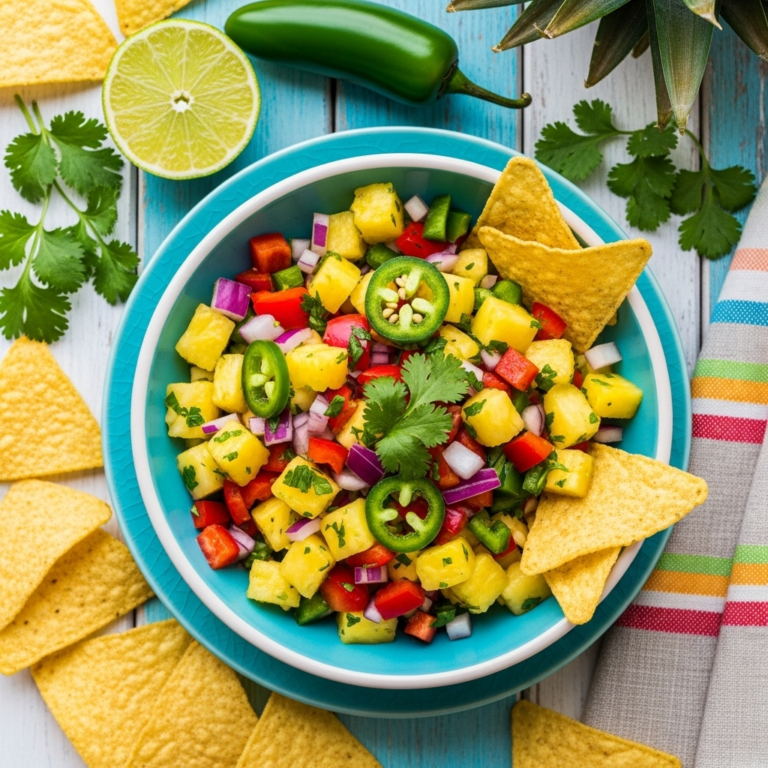
Fruit Salsa: Add diced mango, pineapple, or peach for sweet-spicy variation that’s amazing with grilled fish or chicken. Reduce tomatoes slightly to make room for fruit.
Smoky Chipotle Salsa: Add 1-2 finely minced chipotle peppers in adobo sauce for deep, smoky heat and rich color.
Restaurant-Style Blended Salsa: Pulse all ingredients in a food processor for 3-5 pulses for smoother texture similar to restaurant salsa. Don’t over-process or it becomes juice.
Corn and Black Bean Salsa: Stir in ½ cup cooked corn kernels and ½ cup rinsed black beans for heartier salsa that works as a side dish.
Avocado Salsa: Gently fold in 1 diced avocado just before serving for creamy richness.
Milder Version: Remove all jalapeño seeds, use less jalapeño, rinse the diced onion, or substitute bell pepper entirely for kid-friendly salsa.
Extra Spicy: Leave jalapeño seeds in, add serrano peppers, or include a pinch of cayenne pepper for heat lovers.
Pro Chef Tips
Salt the tomatoes first. Professional chefs often salt diced tomatoes lightly and let them sit for 5-10 minutes in a colander. This draws out excess water, concentrating flavor and preventing watery salsa. Pat dry before adding to the bowl. This technique creates restaurant-quality texture.
Taste your jalapeños first. Never assume all jalapeños have the same heat level—they vary dramatically depending on growing conditions. Cut off a tiny piece and taste it before adding to your salsa. This prevents accidentally making salsa that’s too spicy or too mild. Adjust the amount accordingly.
Balance acid and salt carefully. Professional cooks know that salsa needs both bright acidity and proper salting to taste alive and vibrant. Add lime juice and salt gradually, tasting between additions. The salsa should taste bright and punchy but not sour or oversalted. Both elements should enhance, not dominate.
Let it rest, but not too long. Salsa tastes significantly better after resting for 30 minutes to 2 hours as flavors meld. However, after 4-6 hours, it begins to get watery and the cilantro loses vibrancy. For best results, make it 1-2 hours before serving—this is the sweet spot for flavor and texture.
Keep ingredients cold. Chefs serve salsa cold, not room temperature. Keep your ingredients refrigerated until ready to use, and chill the finished salsa before serving. Cold temperature makes it taste fresher and more refreshing, plus it’s safer for food safety.
Uniform dice creates better texture. Take the time to dice ingredients into uniform, small pieces. Consistent size means every bite has balanced flavor, and it creates more attractive presentation. Large, uneven chunks look sloppy and don’t taste as well-integrated.
Common Mistakes to Avoid
Using bland, off-season tomatoes. Pale, mealy winter tomatoes create sad, flavorless salsa no matter what else you do. Salsa is only as good as your tomatoes. If you can’t find ripe, flavorful tomatoes, wait for better produce or use canned fire-roasted tomatoes (drained well) instead. Cherry tomatoes work better than large tomatoes in winter.
Not removing tomato seeds. Tomato seeds and the gelatinous seed pockets contain most of the water that makes salsa watery. For thicker, more concentrated salsa, cut tomatoes in half and use your finger or a small spoon to scoop out the seeds and gel before dicing. This takes an extra minute but dramatically improves texture.
Adding too much onion. Raw onion is incredibly powerful and can easily overwhelm delicate tomato flavor. Onion should be a supporting player, not the star. Use a light hand, and remember you can always add more after tasting. For many people, half an onion is plenty for a batch of salsa.
Chopping cilantro too far in advance. Cilantro oxidizes and loses its bright flavor when chopped and left sitting. For freshest taste, chop cilantro just before making your salsa, or add it to already-prepared salsa right before serving. Whole cilantro leaves can garnish the top.
Not adjusting seasoning after resting. Salsa tastes different after it sits because salt draws out tomato juices, diluting flavors. What tastes perfectly seasoned when fresh may taste bland after 30 minutes. Always taste your salsa right before serving and adjust salt, lime juice, and other seasonings as needed.
Touching your face after handling jalapeños. Capsaicin oils from peppers will burn your skin and especially your eyes. Either wear disposable gloves when handling jalapeños, or wash your hands thoroughly with soap immediately after. Don’t touch your face, eyes, or any sensitive areas until you’ve washed multiple times.
Storage & Meal Prep
Proper storage keeps your quick tomato salsa fresh, safe, and flavorful for several days. Transfer the salsa to an airtight container with a tight-fitting lid immediately after making it. Press plastic wrap directly onto the surface of the salsa before sealing the container—this minimizes air exposure that causes oxidation and browning. Store in the refrigerator at all times.
Fresh homemade salsa keeps for 3-5 days in the refrigerator. The flavors are brightest and most vibrant during the first 2-3 days. After that, the cilantro flavor fades, the vegetables soften, and the overall taste becomes less fresh. For best quality, make salsa no more than 2 days before you plan to serve it.
You’ll notice liquid accumulating at the bottom of the container—this is completely normal as tomatoes release juice over time. Simply drain off excess liquid before serving, or stir it back in if you prefer thinner salsa. The liquid contains flavor, so some people save it to add to rice, soups, or beans.
For meal prep purposes, quick salsa is perfect for making at the beginning of the week. Prepare a batch on Sunday and use it throughout the week with different meals: Monday with eggs, Tuesday with tacos, Wednesday with grilled chicken, Thursday with tortilla chips, and Friday with quesadillas. The versatility makes it an excellent meal prep staple.
Before serving salsa that’s been refrigerated for a day or more, always stir well and taste it. You’ll likely need to adjust the seasoning, adding more salt, lime juice, or fresh cilantro to brighten the flavors that have mellowed during storage.
Make-Ahead & Freezer Notes
Quick tomato salsa is an excellent make-ahead recipe for entertaining or meal prep. Make it anywhere from 2 hours to 2 days before you plan to serve it. The optimal time is actually 2-4 hours ahead—this gives ingredients time to meld while everything still tastes fresh and vibrant. For parties, preparing salsa the morning of your event or the night before eliminates day-of stress.
You can prepare individual components ahead to save time. Dice tomatoes and store in an airtight container. Chop onions, jalapeños, and cilantro separately and store in small containers. Keep lime juice fresh-squeezed in a small jar. Then combine everything 1-2 hours before serving. This method keeps the cilantro brightest and gives you flexibility.
Freezing is not recommended for fresh tomato salsa. The high water content in tomatoes means they become mushy and watery when frozen and thawed. The texture turns into unappetizing mush—the cell walls break down completely. Frozen and thawed salsa separates into watery liquid and mealy solids that can’t be restored to the original fresh, chunky texture.
If you have excess fresh tomatoes, it’s better to make and freeze cooked salsa (salsa roja) rather than trying to freeze fresh salsa. Cooking changes the tomato structure in ways that survive freezing better. Alternatively, freeze tomatoes whole, then use them later for cooked applications.
For best results, simply make fresh salsa in smaller batches as needed. Since it takes only 10 minutes to prepare and keeps for 3-5 days refrigerated, there’s no real advantage to freezing. The fresh version is always vastly superior in taste, texture, and appearance.
Serving Suggestions
Quick tomato salsa is wonderfully versatile and enhances countless dishes. Here are the best ways to serve this fresh Mexican condiment:
Classic Dipping:
- Tortilla chips – The absolute classic; choose thick, sturdy chips that won’t break
- Pita chips – For Mediterranean fusion
- Vegetable crudités – Jicama sticks, cucumber slices, bell pepper strips for healthy dipping
- Crackers – Sturdy whole grain or seed crackers
Mexican Main Dishes:
- Tacos – Any style, but especially fish tacos, carnitas, or carne asada
- Burritos and burrito bowls – Adds fresh brightness
- Quesadillas – Serve alongside for dipping or spooning inside
- Enchiladas – Fresh topping for baked enchiladas
- Nachos – Spooned on top of loaded nachos
- Tostadas – Classic topping for crispy tostadas
- Tamales – Traditional accompaniment
Protein Preparations:
- Grilled chicken – Spoon over grilled chicken breasts or thighs
- Steak – Especially good with carne asada or grilled ribeye
- Fish – Perfect with grilled mahi-mahi, salmon, or tilapia
- Shrimp – Topping for shrimp tacos or grilled shrimp
- Pork chops – Brightens rich pork
Breakfast and Brunch:
- Scrambled eggs or omelets – Adds fresh flavor to morning eggs
- Breakfast burritos – Essential component
- Huevos rancheros – Traditional topping
- Avocado toast – Spoon over for Mexican twist
- Breakfast bowls – With eggs, beans, and potatoes
Other Creative Uses:
- Baked potatoes – Healthier than sour cream and butter
- Grilled vegetables – Zucchini, bell peppers, corn on the cob
- Rice bowls – Adds brightness to grain bowls
- Black bean soup – Fresh garnish for hearty soup
- Burgers – Swap ketchup for fresh salsa
- Sandwiches and wraps – Spread or topping
FAQs Section
Q: Can I use canned tomatoes instead of fresh?
A: Fresh tomatoes are always best for authentic texture and flavor. However, if fresh tomatoes are terrible quality (pale and mealy), you can use canned fire-roasted diced tomatoes, drained very well. The texture will be softer and the flavor slightly cooked, but it’s better than bad fresh tomatoes. Use one 14.5-ounce can, drained thoroughly.
Q: How do I make my salsa less watery?
A: Tomatoes naturally release juice, causing watery salsa. To prevent this: use Roma tomatoes (less watery), remove seeds and gel before dicing, salt diced tomatoes and drain for 10 minutes before adding other ingredients, or simply drain excess liquid from finished salsa before serving. You can also add diced avocado, which absorbs some liquid.
Q: Can I make tomato salsa in a food processor?
A: Yes, but use caution. Pulse ingredients just 3-5 times for chunky salsa—don’t over-process or you’ll get watery juice instead of chunky salsa. For best results, pulse tomatoes and jalapeños together first, then add remaining ingredients and pulse 1-2 more times. Hand-chopping creates more authentic texture.
Q: Why does my salsa taste bland?
A: Bland salsa usually needs more salt, lime juice, or both. These elements make all other flavors pop. Add salt gradually, tasting between additions. Also ensure you’re using ripe, flavorful tomatoes—bland tomatoes create bland salsa no matter what. Fresh lime juice (not bottled) is essential. Let salsa rest 30 minutes for flavors to develop.
Q: How can I make salsa less spicy after it’s already made?
A: Unfortunately, you can’t remove heat once added. To dilute spiciness, add more diced tomatoes, which spreads the heat across more volume. You can also stir in a bit of sugar (¼ teaspoon) or honey, which balances but doesn’t eliminate heat. For future batches, remove all jalapeño seeds and membranes, or use less jalapeño.
Q: Can I substitute dried cilantro for fresh?
A: No, dried cilantro has almost no flavor and won’t work in fresh salsa. Cilantro is best fresh, where its bright, citrusy flavor shines. If you can’t find or don’t like fresh cilantro, substitute with fresh flat-leaf parsley (though flavor will be different) or simply omit it. There’s no good dried substitute for fresh cilantro.
Q: Is homemade salsa safe to can for long-term storage?
A: Fresh salsa recipes like this one are NOT safe for canning because they don’t have enough acid to prevent botulism. If you want to can salsa, you must use a tested canning recipe with specific proportions and follow proper canning procedures. Fresh salsa should only be refrigerated (3-5 days) or frozen (not recommended due to texture issues).
Q: What’s the difference between salsa fresca, pico de gallo, and salsa cruda?
A: These terms are often used interchangeably for fresh, uncooked tomato salsa. “Salsa fresca” means “fresh sauce,” “pico de gallo” means “rooster’s beak,” and “salsa cruda” means “raw sauce.” They all describe chunky, fresh salsa made from raw ingredients. Regional variations exist, but they’re essentially the same thing—fresh, uncooked tomato salsa.
Conclusion
And there you have it—the easiest, freshest quick tomato salsa that’s about to become your go-to recipe for Mexican nights, entertaining, and everyday snacking! With just 10 minutes and a handful of simple ingredients, you can create an authentic, restaurant-quality salsa that makes store-bought versions taste like a sad comparison. The bright, vibrant flavors of fresh tomatoes, zesty lime, and aromatic cilantro prove that the best things really are simple.
The beauty of this easy homemade salsa lies in its incredible versatility and fresh taste. Whether you’re scooping it with tortilla chips, spooning it over tacos, or using it to brighten grilled chicken, this fresh tomato salsa delivers every time. Plus, it’s naturally healthy, budget-friendly, and takes less time to make than a trip to the store for jarred salsa.
Don’t forget to experiment with the variations—make it smoky with fire-roasted ingredients, add fruit for sweetness, or adjust the heat level to match your family’s preferences. However you customize it, this quick salsa recipe is guaranteed to become a staple in your kitchen that you make over and over again.
We’d love to see your beautiful homemade salsa creations and hear how you served it! Share your photos on Pinterest, tag us on social media, and let us know in the comments what you paired with your fresh salsa. Whether you’re team mild or team spicy, this authentic Mexican salsa is ready to elevate your home cooking. Happy chopping, and here’s to making fresh, flavorful food that brings everyone together!