Mozzarella Tomato Pesto Sandwich Recipe: Fresh Italian Flavors in Every Bite
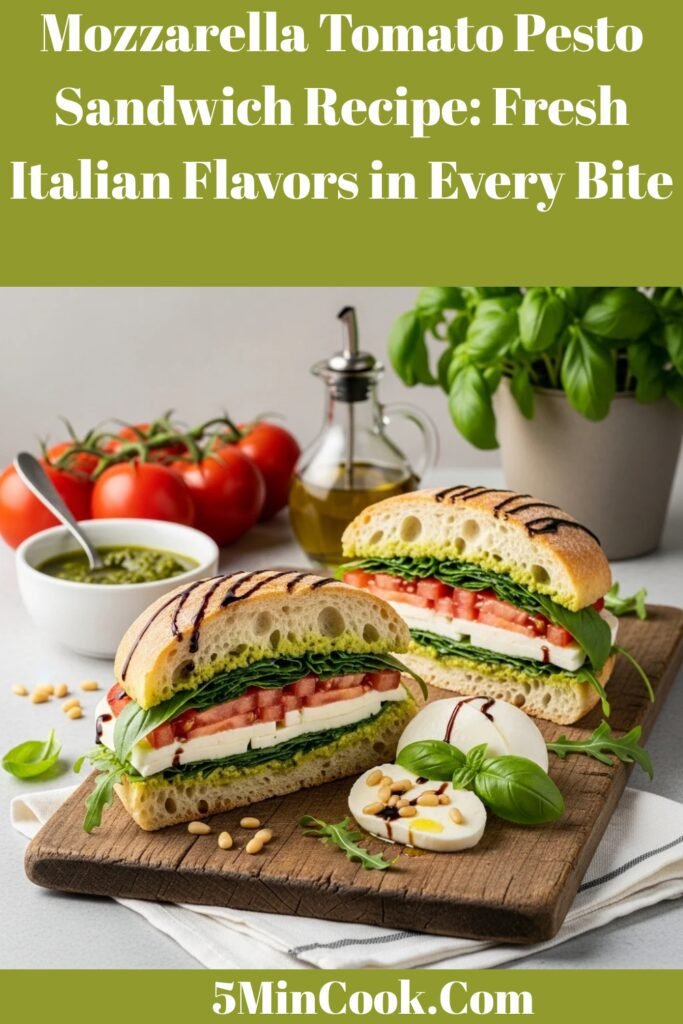
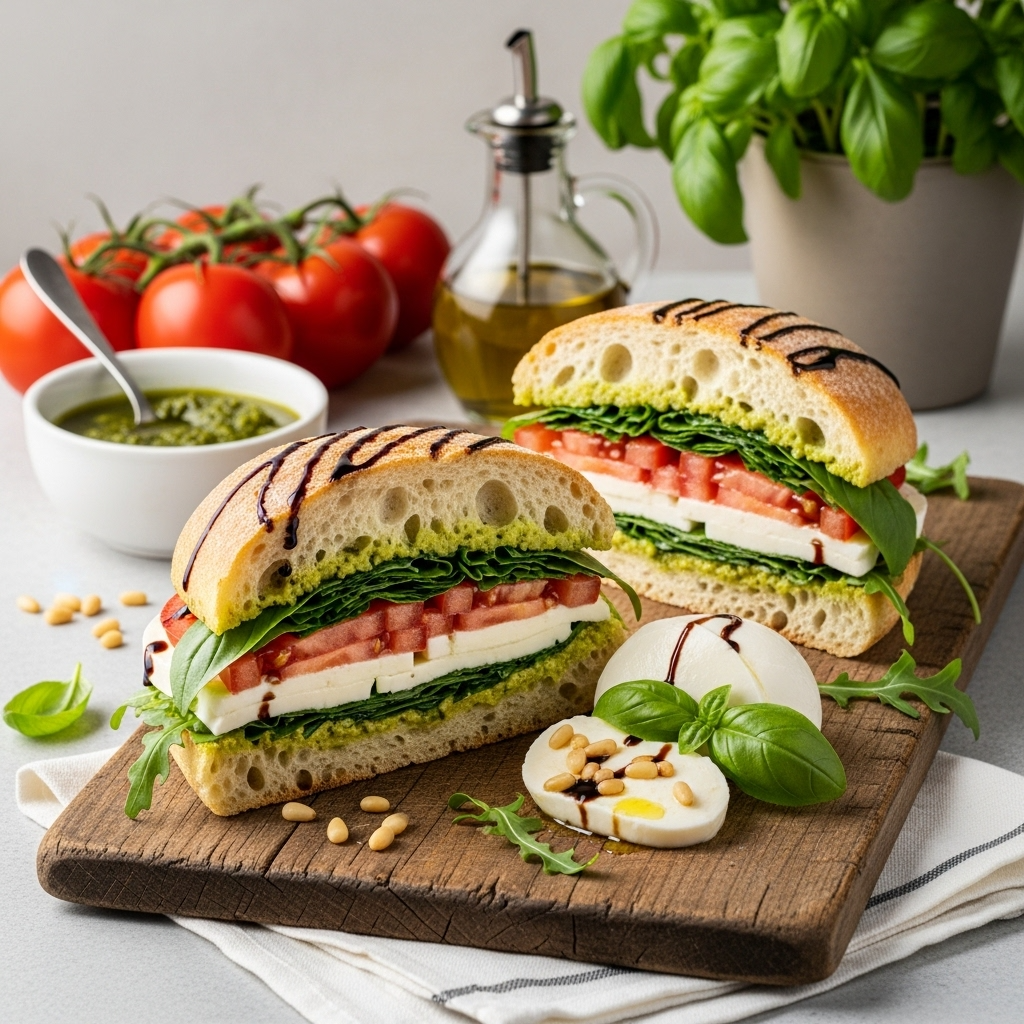
The mozzarella tomato pesto sandwich is a gloriously simple yet incredibly flavorful Italian-inspired sandwich that celebrates fresh, quality ingredients at their finest! This delicious sandwich features creamy fresh mozzarella cheese, ripe juicy tomatoes, and aromatic basil pesto, all layered between crusty bread and often finished with a drizzle of balsamic glaze. Think of it as a deconstructed Caprese salad meets pesto perfection, transformed into the ultimate handheld meal. This fresh mozzarella sandwich with pesto is perfect for so many occasions: enjoy it as a quick weeknight dinner when you don’t feel like cooking but want something satisfying, pack it for gourmet work lunches that’ll make your coworkers jealous, serve it at casual summer gatherings where fresh, light fare is appreciated, take it on picnics and outdoor adventures for portable Italian elegance, make it for Meatless Mondays when you want vegetarian options that feel indulgent, or prepare it for weekend brunches where sophisticated yet simple food shines. The beauty of this easy Italian pesto sandwich lies in its elegant simplicity—it requires no cooking beyond optional toasting, comes together in just 10 minutes, showcases the pure flavors of each high-quality ingredient, and delivers restaurant-worthy taste with minimal effort. Whether you’re a busy professional seeking quick gourmet lunches, a vegetarian looking for satisfying meatless meals, or simply someone who appreciates the fresh, vibrant flavors of Italian cuisine, this Caprese pesto sandwich delivers incredible taste, beautiful presentation, and genuine satisfaction in every single bite!
History / Background
The mozzarella tomato pesto sandwich is a beautiful fusion of classic Italian culinary traditions, bringing together elements from different regions of Italy into one perfect handheld meal. To understand this sandwich, we need to explore its three foundational components, each with its own rich history.
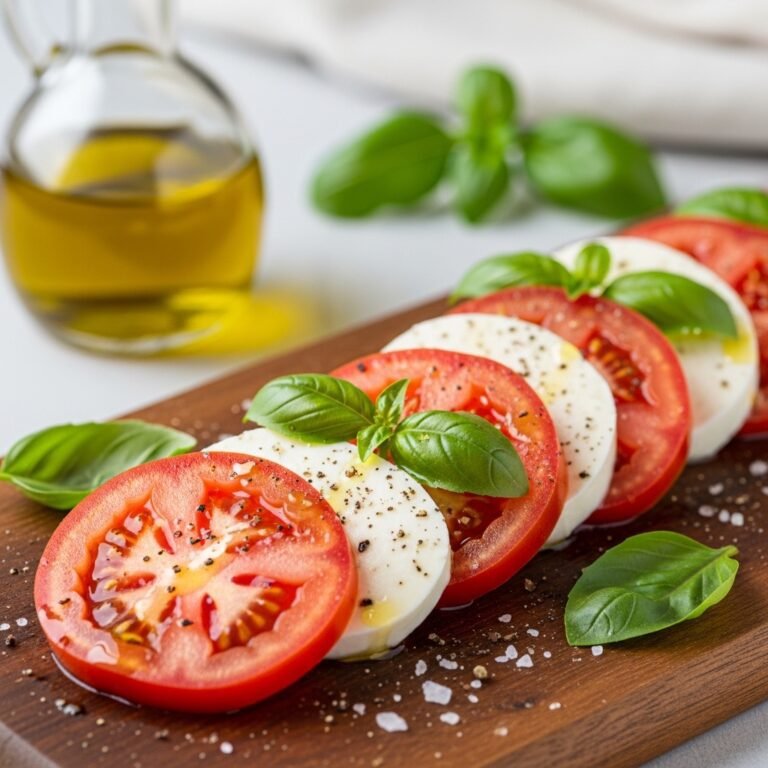
First, there’s the Caprese salad (Insalata Caprese), which originated on the island of Capri in the Campania region of Southern Italy. This simple dish of fresh mozzarella, tomatoes, and basil was created to showcase the colors of the Italian flag—red, white, and green—and became popular in the early 20th century. The combination was revolutionary in its simplicity, proving that when you start with exceptional ingredients, you need very little else. Caprese salad became internationally famous in the 1950s and remains one of Italy’s most recognizable dishes.
Second, we have pesto, specifically pesto alla Genovese, which hails from Genoa in the Liguria region of Northern Italy. The word “pesto” comes from the Italian verb “pestare,” meaning to pound or crush, referring to the traditional method of making this sauce with a mortar and pestle. Authentic Genovese pesto dates back centuries and consists of fresh basil, pine nuts, garlic, Parmigiano-Reggiano cheese, Pecorino cheese, and high-quality olive oil. The modern version we know today became standardized in the mid-19th century, and by the 1980s and 90s, pesto had become globally popular, appearing in supermarkets worldwide.
Third, there’s mozzarella cheese itself, particularly mozzarella di bufala (buffalo mozzarella), which originated in the Campania and Lazio regions of Southern Italy, likely during the 12th century. Fresh mozzarella, with its delicate, milky flavor and soft texture, became a cornerstone of Italian cuisine. The mass production of cow’s milk mozzarella (fior di latte) in the 20th century made this cheese accessible worldwide.
The combination of these elements into a sandwich is a more recent American-Italian fusion creation, likely emerging in the late 20th century as Italian ingredients became more available in the United States. Italian delis and cafes in cities like New York, Boston, and San Francisco began creating sandwiches that celebrated Italian flavors in formats familiar to American diners. The mozzarella tomato pesto sandwich became particularly popular in the 1990s and 2000s as part of the gourmet sandwich movement, when cafes and restaurants began elevating simple sandwiches with high-quality, artisanal ingredients.
Today, this Caprese pesto sandwich represents the best of Italian-American fusion cuisine—honoring traditional Italian flavors and ingredients while adapting them to contemporary American eating habits and preferences. It’s become a staple on cafe menus, a favorite for home cooks, and a Pinterest sensation thanks to its beautiful presentation and universal appeal.
Why You’ll Love This Recipe
This mozzarella tomato pesto sandwich recipe takes simple ingredients and transforms them into something truly special through smart techniques and perfect component balance! While the concept is straightforward—cheese, tomatoes, pesto, bread—there are tricks to making it exceptional: choosing the right bread that won’t get soggy, preparing tomatoes properly to control moisture, layering strategically for structural integrity, and adding complementary ingredients that enhance rather than overwhelm the starring flavors.
What makes this particular approach to the fresh mozzarella pesto sandwich special is the attention to detail and the focus on ingredient quality and preparation. We’re not just slapping ingredients together—we’re thinking about how to preserve the delicate texture of fresh mozzarella, how to prevent tomato juices from making everything soggy, how to distribute pesto evenly for flavor in every bite, and how to add elements that create textural contrast and flavor depth.
Here’s why this Italian mozzarella sandwich will become a regular in your meal rotation:
- Ready in 10 Minutes – From ingredients to eating in the time it takes to make coffee
- No Cooking Required – Perfect for hot summer days or when you don’t want to heat up the kitchen
- Restaurant-Quality at Home – Tastes like a $15 cafe sandwich for a fraction of the cost
- Simple Yet Sophisticated – Impressive enough for guests, easy enough for everyday
- Naturally Vegetarian – Meatless but completely satisfying and protein-rich
- Fresh & Light – Won’t weigh you down like heavy deli sandwiches
- Endlessly Customizable – Easy to adapt based on preferences and what you have on hand
- Beautiful Presentation – Instagram-worthy without even trying
- Budget-Friendly – Surprisingly affordable when you make it yourself
- Kid-Friendly Flavors – Mild enough for children, sophisticated enough for adults
- Meal Prep Compatible – Components can be prepped ahead for quick assembly
- Portable & Packable – Travels well for lunches and picnics
Ingredient Notes
The magic of this sandwich lies in the quality of just a few simple ingredients—let’s talk about choosing the best!
Bread: This is your foundation! Ciabatta is traditional—its crusty exterior and airy, chewy interior hold up beautifully to juicy fillings. Focaccia adds olive oil richness and rosemary aromatics. Sourdough brings tangy complexity and sturdy structure. French baguette offers classic crunch. Whole grain adds nuttiness and nutrition. Pro tip: Choose bread with substance and character—boring white sandwich bread doesn’t do these flavors justice!
Fresh Mozzarella: The star player! Fresh mozzarella (fior di latte or mozzarella di bufala) is essential—not the low-moisture, shrink-wrapped kind meant for pizza. Look for balls packed in water or whey, found in the deli or specialty cheese section. Buffalo mozzarella is more expensive but incredibly creamy and flavorful. Regular fresh mozzarella (from cow’s milk) is more affordable and still delicious. Important: Drain well and pat dry to prevent a soggy sandwich! Substitution: Burrata (even creamier!), bocconcini (small mozzarella balls), or in a pinch, fresh whole-milk ricotta.
Tomatoes: Quality matters tremendously! Heirloom tomatoes in season offer incredible flavor and beautiful colors. Roma (plum) tomatoes are reliable year-round with less juice and seeds. Vine-ripened tomatoes provide consistent flavor. Cherry or grape tomatoes, sliced in half, work wonderfully and are often sweetest. Key tip: Room temperature tomatoes taste better than cold! Let them sit out 20-30 minutes before using. Season: Summer tomatoes are incomparable, but quality hothouse tomatoes work year-round.
Pesto: The flavor powerhouse! Store-bought pesto is convenient and perfectly fine—look for brands with quality ingredients (basil should be first on the list). Homemade pesto is divine if you have time and fresh basil. Quality check: Good pesto should be bright green, aromatic, and not swimming in oil. Substitution: Sun-dried tomato pesto, arugula pesto, or even chimichurri for a non-traditional twist.
Balsamic Glaze (Optional): Adds sweet-tart complexity and visual appeal. Look for thick, syrupy balsamic glaze (also called balsamic reduction) in the vinegar aisle. Make your own: Simmer regular balsamic vinegar until reduced by half and syrupy. Substitution: Balsamic vinegar works but is thinner and more acidic.
Additional Ingredients:
- Fresh basil leaves for extra herbaceous flavor and presentation
- Arugula or baby spinach for peppery bite and nutrition
- Roasted red peppers for sweetness and color
- Red onion slices for sharpness (soak in cold water first to mellow)
- Sun-dried tomatoes for intense umami
- Prosciutto or salami if you want to add meat
Equipment Needed
The simplicity of this sandwich means minimal equipment required!
- Sharp serrated knife (for slicing bread and tomatoes)
- Cutting board
- Butter knife or small spatula (for spreading pesto)
- Paper towels (for draining mozzarella)
- Small bowl (optional, for mixing or draining)
- Panini press or grill pan (optional, for grilled version)
- Aluminum foil or parchment paper (for wrapping if transporting)
- Serving plate
That’s it! No appliances necessary unless you’re opting for the grilled variation.
Print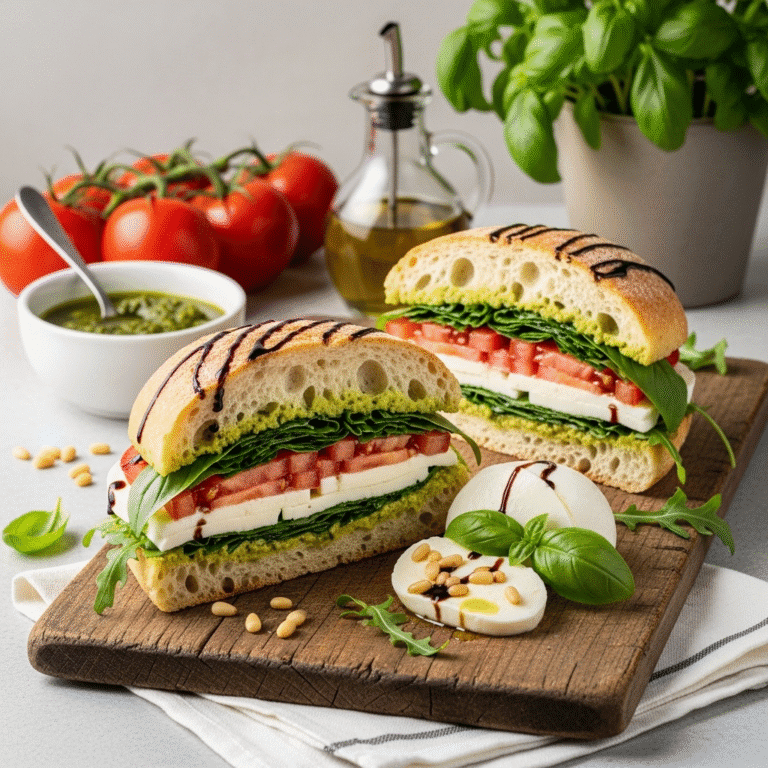
Mozzarella Tomato Pesto Sandwich Recipe
Fresh and flavorful mozzarella tomato pesto sandwich with creamy fresh mozzarella, ripe tomatoes, aromatic basil pesto, and optional balsamic glaze on crusty Italian bread. A simple yet sophisticated lunch ready in 10 minutes!
- Total Time: 10 minutes
- Yield: 1 sandwich (easily multiplied) 1x
Ingredients
For One Sandwich:
- 1 ciabatta roll, focaccia square, or 6-inch section of baguette (or your preferred bread)
- 4 ounces (115g) fresh mozzarella, drained and sliced ¼-inch thick
- 1 medium tomato, sliced (or 6-8 cherry tomatoes, halved)
- 2-3 tablespoons basil pesto (store-bought or homemade)
- 2-3 fresh basil leaves (optional but recommended)
- Small handful of arugula or baby spinach (optional)
- 1-2 teaspoons balsamic glaze (optional)
- Salt and freshly ground black pepper to taste
- Extra virgin olive oil for drizzling (optional)
Optional Add-Ins:
- 2-3 slices roasted red pepper
- 2-3 thin slices red onion (soaked in cold water)
- 2-3 pieces sun-dried tomato
- 2 slices prosciutto or salami (if not keeping vegetarian)
- Pinch of red pepper flakes for heat
Instructions
- Prepare the Mozzarella: Remove fresh mozzarella from its liquid and place on paper towels. Pat dry thoroughly—this is crucial! Excess moisture will make your sandwich soggy. Slice into ¼-inch thick rounds. Let sit on fresh paper towels while you prep other ingredients.
- Prepare the Tomato: Slice tomato into ¼-inch thick slices. If using regular tomatoes, remove the seedy center gel if it’s very watery—just keep the firm outer walls. Pat dry with paper towels. Season lightly with salt and pepper and let sit for a couple minutes. This draws out some moisture and seasons the tomato.
- Prepare the Bread: Slice your bread in half horizontally. If the interior is very soft and doughy, you can lightly toast it or pull out some of the excess bread to create more room for fillings and better texture. For a cold sandwich, leave untoasted. For a warm sandwich, proceed to step 9.
- Spread the Pesto: Spread a generous layer of pesto on both cut sides of the bread, about 1-1½ tablespoons per side. Make sure to cover edge to edge—this creates a moisture barrier and ensures flavor in every bite.
- Layer the Base: On the bottom half of the bread, start with arugula or spinach leaves if using. This creates a protective layer between bread and juicy ingredients.
- Add Mozzarella: Layer the mozzarella slices in a single, slightly overlapping layer. Make sure to cover the bread surface completely for best flavor distribution.
- Add Tomatoes: Layer tomato slices over the mozzarella. Season with a light sprinkle of salt and black pepper.
- Add Finishing Touches: If using, add fresh basil leaves, roasted red peppers, or any other optional ingredients. Drizzle with balsamic glaze if desired—this adds a beautiful finishing touch and sweet-tart flavor. A light drizzle of extra virgin olive oil is also lovely.
- Close and Serve (Cold Version): Place the top piece of bread on your sandwich, pesto side down. Press down gently but firmly. Cut in half diagonally with a sharp serrated knife. Serve immediately!
Notes
- Moisture Control: The key to a non-soggy sandwich is thoroughly drying both the mozzarella and tomatoes. Don’t skip this step!
- Bread Quality: Use the best quality bread you can find—it makes a huge difference in the final result.
- Pesto as Barrier: Spreading pesto on both sides of bread creates a fat-based barrier that prevents moisture from soaking into bread.
- Room Temperature: For best flavor, let mozzarella and tomatoes come to room temperature before assembling (20-30 minutes out of fridge).
- Make it Vegan: Use vegan mozzarella and ensure your pesto doesn’t contain Parmesan (or use vegan pesto).
- Gluten-Free: Simply use your favorite gluten-free bread or wrap.
- Prep Time: 10 minutes
- Cook Time: 0 minutes
- Category: Sandwich
- Method: No-Cook
- Cuisine: Italian-American
- Diet: Vegetarian
Nutrition
- Serving Size: 1 sandwich (made with ciabatta, 4 oz mozzarella, standard vegetables)
- Calories: 485
- Sugar: 6g
- Sodium: 890mg
- Fat: 26g
- Saturated Fat: 11g
- Unsaturated Fat: 14g
- Trans Fat: 0g
- Carbohydrates: 38g
- Fiber: 3g
- Protein: 24g
- Cholesterol: 54mg
Tips & Variations
Grilled/Pressed Caprese: Brush the outside of your assembled sandwich with olive oil and grill in a panini press or on a grill pan for 2-3 minutes per side until golden and the mozzarella starts to melt. This warm version is absolutely divine!
Roasted Red Pepper Addition: Add 2-3 slices of jarred roasted red peppers for smoky sweetness and beautiful color that complements all the other flavors perfectly.
Prosciutto Caprese: Add 2-3 thin slices of prosciutto for a non-vegetarian version with salty, savory depth. The delicate Italian ham pairs beautifully with mozzarella and tomato.
Sun-Dried Tomato Upgrade: Add 3-4 pieces of oil-packed sun-dried tomatoes (drained and patted dry) for intense umami and chewy texture contrast.
Arugula Peppery Bite: Layer a generous handful of fresh arugula for a peppery, slightly bitter contrast that cuts through the richness of cheese and pesto.
Burrata Indulgence: Substitute burrata cheese for regular mozzarella for an ultra-creamy, luxurious upgrade. The creamy center oozes out when you bite into it—incredible!
Pesto Varieties: Try sun-dried tomato pesto, arugula pesto, or red pepper pesto instead of traditional basil pesto for different flavor profiles.
Wrap Version: Use a large tortilla or flatbread instead of crusty bread for a more portable wrap-style sandwich.
Open-Face Style: Serve on one piece of toasted bread, open-face, with all ingredients layered on top for a knife-and-fork lunch.
Olive Tapenade: Spread a thin layer of olive tapenade on one side of the bread (in addition to or instead of some pesto) for briny, Mediterranean depth.
Pro Chef Tips
The Dry-and-Season Technique: Professional sandwich makers know that controlling moisture is everything. After draining and slicing your mozzarella, let it sit on paper towels for at least 5 minutes, then pat the top dry again. For tomatoes, not only pat them dry, but lightly salt them and let them sit for 5 minutes—this draws out moisture through osmosis while seasoning them. Blot again before using. This simple step prevents 90% of soggy sandwich disasters.
Room Temperature Triumph: Cold mozzarella is rubbery and flavorless compared to room temperature mozzarella, which is soft, creamy, and aromatic. Cold tomatoes lack the sweet, bright flavor of room temperature tomatoes. Take both out of the fridge 30 minutes before assembling for dramatically better flavor. This is restaurant technique 101!
The Pesto Seal: Spreading pesto all the way to the edges of the bread serves two purposes: flavor in every bite, and creating a fat-based moisture barrier. The oils in pesto prevent tomato juice and mozzarella liquid from soaking into bread. This is why pesto sandwiches hold up better than plain Caprese sandwiches.
Strategic Layering: The order matters more than you think! Place sturdier, drier items like arugula directly on bread, then cheese, then wetter items like tomatoes in the middle, away from bread. This architectural approach prevents moisture from migrating to the bread.
The Knife Matters: Use a sharp serrated knife and one clean, decisive cutting motion. Don’t “saw” back and forth or press down hard—this squashes the sandwich and causes ingredients to slide out. Let the knife do the work with gentle sawing motion.
Balsamic Drizzle Technique: If using balsamic glaze, drizzle it in thin, even lines rather than pooling it in one spot. This distributes flavor evenly and looks more professional. Apply it as the very last step before closing the sandwich.
Toast the Inside Only: For maximum texture without losing the softness needed to bite through easily, lightly toast just the inside (cut sides) of the bread while leaving the exterior soft. This creates a protective barrier without making the sandwich too crunchy to eat.
Common Mistakes to Avoid
Using Low-Moisture Mozzarella: The pre-shredded, rubbery, low-moisture mozzarella meant for pizza is completely wrong for this sandwich. It lacks the creamy, delicate texture and milky flavor of fresh mozzarella. Always use fresh mozzarella packed in liquid from the deli or specialty cheese section—it’s not interchangeable!
Skipping the Drying Step: This is the biggest rookie mistake! Fresh mozzarella and tomatoes are full of moisture. Putting them directly on bread without draining and patting dry guarantees a soggy, unpleasant sandwich within 30 minutes. Those extra 2 minutes of drying time make all the difference.
Too Much Pesto: While pesto is delicious, using too much overwhelms the delicate flavors of mozzarella and tomato, creates a slimy texture, and makes the sandwich messy to eat. About 2-3 tablespoons total is perfect—enough for flavor and moisture barrier without overwhelming.
Wrong Bread Choice: Soft, fluffy, thin sandwich bread cannot support the weight and moisture of this filling. You need bread with structure—crusty exterior, substantial interior, and enough body to hold up. Artisan-style breads are essential for structural integrity.
Overstuffing: It’s tempting to pile on ingredients, but an overstuffed sandwich is impossible to eat, falls apart, and unbalances flavors. Be generous but reasonable—you should be able to close the sandwich and take a bite without everything sliding out.
Using Unripe or Cold Tomatoes: Pale, hard, flavorless tomatoes ruin this sandwich. Use ripe, red tomatoes at room temperature. In winter, cherry or grape tomatoes are often better than large out-of-season tomatoes. Flavor matters enormously here.
Storage & Meal Prep
Short-Term Storage (Same Day): This sandwich is best eaten within 2-4 hours of making it. If preparing for lunch, wrap tightly in parchment paper then plastic wrap or aluminum foil, and store in the refrigerator. The pesto and proper moisture control help it hold up reasonably well. Remove from fridge 10-15 minutes before eating if possible for best flavor.
Optimal Storage Method: Wrap first in parchment paper (which allows slight air circulation), then overwrap with plastic wrap or foil. This prevents condensation while protecting the sandwich. Store in the coldest part of the refrigerator.
Component Meal Prep: The smartest approach is to prep components separately:
- Pesto: Homemade pesto keeps 1 week in fridge, 3 months frozen
- Mozzarella: Buy fresh and store properly drained in container, use within 3-4 days of opening
- Tomatoes: Buy ripe and store at room temperature until perfectly ripe, then use within 2 days
- Bread: Buy fresh and freeze extra, toast from frozen as needed
Daily Assembly Strategy: For meal prep, store all components separately and assemble your sandwich fresh each morning. This takes only 5 minutes but gives you maximum freshness and prevents sogginess.
Traveling/Packing: If taking this sandwich somewhere, keep it cold with an ice pack. The sandwich itself doesn’t need refrigeration for food safety (cheese is the only perishable), but it tastes better and stays fresher when cold. Eat within 4-6 hours.
Leftover Management: These sandwiches really don’t keep well overnight once assembled—the bread gets soggy and ingredients get slimy. If you have leftover components, store them separately and make a fresh sandwich the next day. Don’t try to save an assembled sandwich overnight.
Make-Ahead & Freezer Notes
Not Freezer-Friendly: Unfortunately, this sandwich does not freeze well at all. The high water content of mozzarella and tomatoes means they become watery and mushy when frozen and thawed. The texture of fresh mozzarella is completely destroyed by freezing. The bread becomes soggy and unappetizing. This is definitely a fresh-assembly situation!
Pesto Freezing: While the sandwich doesn’t freeze, pesto freezes beautifully! Make a big batch of homemade pesto and freeze in ice cube trays or small portions. Each cube is perfect for one sandwich. This gives you fresh-tasting pesto whenever you want it without the work each time.
Bread Freezing: Buy quality bread and freeze extra. Ciabatta, focaccia, and baguettes all freeze well for up to 3 months when properly wrapped. Thaw at room temperature for 30 minutes or toast directly from frozen.
Mozzarella Note: Never freeze fresh mozzarella—it becomes grainy, watery, and loses its creamy texture completely. Only buy what you’ll use within a few days.
Best Make-Ahead Strategy: The night before or morning of:
- Slice and drain mozzarella, store in container with paper towels
- Prep any vegetables (but don’t slice tomatoes until day-of)
- Portion out pesto into small containers
- Have bread ready
- Assembly takes just 5 minutes when components are prepped!
Grilled Version Timing: If making the grilled/pressed version, it’s actually best assembled and grilled right before eating. The warm, melty cheese and crispy bread are best enjoyed immediately. However, you can prep all components ahead and grill when ready.
Serving Suggestions
Soup Pairing: Serve with tomato basil soup, Italian wedding soup, or minestrone for a classic soup-and-sandwich combo that’s perfect for lunch.
Side Salad: Pair with a simple Italian salad of mixed greens, cherry tomatoes, red onion, and Italian vinaigrette for a light, balanced meal.
Chips and Pickles: Add kettle-cooked potato chips, Italian olive mix, or pickled vegetables (giardiniera) for satisfying crunch and tang.
Pasta Salad: Serve alongside cold pasta salad—pesto pasta salad, Italian pasta salad, or caprese pasta salad all complement beautifully.
Fresh Fruit: Add fresh seasonal fruit like grapes, melon, berries, or stone fruit for a refreshing, naturally sweet side.
Antipasto Platter: Make it part of an Italian spread with olives, marinated artichokes, roasted red peppers, salami, and cheese.
Beverage Pairings: Serve with iced tea, lemonade, Italian soda, San Pellegrino, cold brew coffee, or for adults, a crisp white wine like Pinot Grigio or rosé.
Hot Weather Meal: This sandwich is perfect for hot summer days when you don’t want to cook. Pair with cold gazpacho, cucumber salad, and fresh fruit for a no-heat-required meal.
Picnic Basket: Pack with other cold items like potato salad, coleslaw, chips, and fresh vegetables for an elegant picnic spread.
FAQs Section
Q: Can I make mozzarella tomato pesto sandwiches ahead of time?
A: You can assemble them 2-4 hours ahead if properly wrapped and refrigerated, but they’re always best made fresh. The key is thorough moisture control—drain and dry mozzarella and tomatoes well, spread pesto edge-to-edge as a barrier. For best results, prep all components ahead and assemble fresh when ready to eat.
Q: What’s the difference between this and a Caprese sandwich?
A: A traditional Caprese sandwich has mozzarella, tomato, and fresh basil (like Caprese salad on bread). Adding pesto takes it to the next level with concentrated basil flavor, garlic, nuts, and cheese. The pesto also acts as a flavorful moisture barrier. Both are delicious, but the pesto version has more complex flavor!
Q: Can I use regular mozzarella instead of fresh mozzarella?
A: You really shouldn’t—fresh mozzarella is essential to this sandwich’s character. Low-moisture mozzarella (the kind for pizza) has a completely different texture and flavor—rubbery, bland, and chewy rather than creamy and delicate. Fresh mozzarella’s soft, milky quality is what makes this sandwich special. It’s worth seeking out!
Q: How do you keep the sandwich from getting soggy?
A: Four key steps: 1) Thoroughly drain and dry fresh mozzarella by patting with paper towels; 2) Pat tomatoes dry and remove excess seeds/gel; 3) Spread pesto edge-to-edge on bread to create a moisture barrier; 4) Layer strategically with drier items closer to bread. Following these steps, your sandwich stays fresh for 4-6 hours.
Q: Can you heat a mozzarella pesto sandwich?
A: Absolutely! The grilled/pressed version is amazing. Assemble the sandwich, brush the outside with olive oil, and grill in a panini press or grill pan for 2-3 minutes per side until golden and the mozzarella just begins to melt. The warm, melty version is even more indulgent than the cold version!
Q: What bread works best for this sandwich?
A: Ciabatta is classic—crusty outside, airy chewy inside, sturdy structure. Focaccia adds olive oil richness and herbal notes. Sourdough provides tang and substance. French baguette offers classic crunch. Any artisan-style bread with good structure works beautifully. Avoid soft, fluffy sandwich bread which gets soggy too easily.
Q: Is this sandwich healthy?
A: It’s reasonably healthy! Fresh mozzarella provides protein and calcium, tomatoes offer vitamins and antioxidants (especially lycopene), pesto contains healthy fats and herbs, and whole grain bread adds fiber. At around 485 calories with 24g protein, it’s a balanced lunch. To lighten it up, use less cheese and pesto, more vegetables, and whole grain bread.
Conclusion
And there you have it—everything you need to create the most amazing, fresh, flavorful mozzarella tomato pesto sandwich! While this might seem like a simple recipe, paying attention to the details—from choosing quality ingredients to properly draining moisture to strategic layering—transforms what could be just another sandwich into something truly special that rivals anything you’d get at an upscale cafe.
This Caprese pesto sandwich is proof that you don’t need complicated recipes or extensive cooking skills to create something absolutely delicious and satisfying. Sometimes the best meals come from simple combinations of fresh, quality ingredients treated with care and respect. The vibrant Italian flavors, the contrast of textures, the beautiful presentation—it all comes together to create a lunch that feels both indulgent and wholesome.
Whether you’re making this easy Italian pesto sandwich for a quick weeknight dinner, packing it for an impressive work lunch, serving it at a casual gathering, or enjoying it on a sunny picnic day, this recipe delivers restaurant-quality results with minimal effort and maximum flavor. It’s the kind of recipe that becomes part of your regular rotation because it’s just that good and just that easy.
Now it’s your turn to create your own perfect fresh mozzarella sandwich! I’d love to hear about your experience—did you try the grilled version or keep it cold? What type of bread did you use? Did you add any creative extras? Share your thoughts, variations, and beautiful sandwich photos in the comments below! Your creativity and feedback inspire other readers and help build our cooking community.
Don’t forget to save this mozzarella tomato pesto sandwich recipe to your Pinterest boards—pin it to “Quick Lunch Ideas,” “Italian Recipes,” “Vegetarian Sandwiches,” or “Summer Recipes” so you can find it whenever you’re craving those fresh Italian flavors. If you know someone who loves Italian food, vegetarian meals, or is always looking for better lunch ideas, share this article with them. And when you make this gorgeous sandwich, snap a photo and tag me on social media—I absolutely love seeing your delicious creations!
Now go create your own little piece of Italian culinary magic—your taste buds are in for a treat! 🍅🧀🌿✨