Creamy Peanut Butter Milkshake Recipe (5 Minutes!)

Calling all peanut butter lovers! This thick and creamy peanut butter milkshake is about to become your new obsession. Imagine the rich, nutty flavor of your favorite peanut butter blended with smooth vanilla ice cream and cold milk to create the ultimate indulgent treat. It’s like drinking a frozen peanut butter cup, but even better—and it takes just five minutes to make from start to finish!
This homemade peanut butter milkshake recipe is incredibly versatile and works perfectly for so many occasions. Whip it up as an after-school snack that kids go crazy for, serve it as a special dessert after family dinners, or enjoy it as a protein-packed breakfast treat on lazy weekend mornings. It’s also fantastic for summer gatherings, birthday parties, or any time you’re craving something sweet, satisfying, and utterly delicious. The combination of creamy peanut butter and cold ice cream creates a texture that’s absolutely dreamy—thick enough to feel indulgent but still perfectly sippable through a straw.
What makes this easy peanut butter shake truly special is how it delivers restaurant-quality flavor with just four simple ingredients you probably already have in your kitchen. Unlike complicated dessert recipes that require special techniques or hard-to-find ingredients, this one keeps things beautifully straightforward while delivering maximum satisfaction. Plus, peanut butter adds protein and healthy fats, making this shake more substantial and filling than regular milkshakes. Whether you’re a lifelong peanut butter devotee or just discovering your love for this classic flavor, this recipe is guaranteed to become a regular request in your household.
History / Background
The peanut butter milkshake has a fascinating history that’s deeply intertwined with American food culture. To understand this beloved beverage, we first need to appreciate peanut butter itself—an ingredient that’s quintessentially American despite peanuts originating in South America.
Peanut butter as we know it was popularized in the United States in the late 1800s and early 1900s. While several people experimented with grinding roasted peanuts into paste, it was Dr. John Harvey Kellogg (yes, the cereal guy) who patented a process for making peanut butter in 1895, originally as a protein source for patients at his sanitarium. By the early 1900s, peanut butter had become commercially available, and by the 1920s, it was a pantry staple in American homes, thanks in large part to innovations that prevented oil separation.
The milkshake itself evolved in the early 1900s from a whiskey-based drink into the family-friendly frozen treat we know today. The breakthrough came in 1922 when a Walgreens employee added ice cream to the traditional milkshake, creating that thick, creamy consistency. Throughout the 1930s, 1940s, and especially the 1950s, milkshakes became iconic fixtures at American soda fountains and diners.
The peanut butter milkshake specifically emerged as creative soda jerks and ice cream shops began experimenting with America’s beloved nut butter in the mid-20th century. It was a natural evolution—peanut butter was already being combined with chocolate in candy bars like Reese’s Peanut Butter Cups (introduced in 1928), and ice cream makers were creating peanut butter ice cream flavors. Blending peanut butter directly into vanilla milkshakes created an even more intense, creamy peanut butter experience.
The peanut butter shake gained serious cultural momentum in the 1950s and 1960s when peanut butter consumption in America skyrocketed. It became associated with childhood nostalgia, comfort food, and wholesome American dining. Unlike more exotic or acquired-taste flavors, peanut butter resonated across demographics and regions.
Today, the peanut butter milkshake represents the best of American dessert innovation—taking simple, accessible ingredients and transforming them into something absolutely crave-worthy. It’s a testament to how creative home cooks and professional chefs alike can elevate humble pantry staples into memorable treats. Making this shake at home connects you to decades of American food tradition while creating new memories with family and friends.
Why You’ll Love This Recipe
This creamy peanut butter milkshake recipe is about to steal your heart, and here’s why it’s such an absolute winner. First and foremost, it’s ridiculously easy—if you can scoop ice cream and press a blender button, you’ve got this. There’s no cooking, no complicated techniques, no fancy equipment required. Yet despite its simplicity, it tastes like something you’d pay $7 for at a gourmet ice cream shop.
The flavor is exactly what peanut butter dreams are made of: rich, nutty, creamy, and perfectly balanced between sweet and salty. The peanut butter adds incredible depth and complexity that plain vanilla or chocolate shakes simply can’t match. Plus, unlike some desserts that leave you feeling overly sugary and unsatisfied, this shake has protein and healthy fats from the peanut butter, making it genuinely filling and satisfying.
Here’s why this peanut butter shake recipe is absolutely irresistible:
- Ready in 5 minutes or less – From craving to sipping takes almost no time at all
- Only 4 basic ingredients – Peanut butter, vanilla ice cream, milk, and optional sweetener
- Kid-approved and family-friendly – Children and adults alike devour this treat
- Protein-packed – More substantial than regular milkshakes thanks to peanut butter
- Budget-friendly – Costs a fraction of ice cream shop prices
- Naturally gluten-free – Safe for those avoiding gluten (check your ingredient labels)
- Customizable thickness – Easily adjust consistency to your exact preference
- No cooking required – Perfect for hot days when you don’t want to use the oven
- Great for using pantry staples – Uses ingredients you likely already have
- Impressive yet simple – Looks and tastes fancy with zero effort
- Allergy-friendly adaptable – Can be made with nut-free alternatives if needed
- Nostalgic comfort food – Tastes like childhood memories in the best way
- Versatile serving options – Works as dessert, snack, or even breakfast treat
The beauty of this recipe lies in its foolproof nature and incredible versatility. You really can’t mess it up, which makes it perfect for beginner cooks or for getting kids involved in the kitchen. It’s also endlessly customizable—want it sweeter? Add honey or a banana. Prefer chocolate peanut butter flavor? Mix in some cocoa powder. Need it thicker? Add more ice cream. This recipe provides the perfect foundation that you can tweak to create your ideal peanut butter milkshake every single time.
Ingredient Notes
Let’s dive deep into each ingredient that makes this peanut butter milkshake absolutely incredible. Understanding what each component brings to the table helps you make smart substitutions and achieve the best possible results.
Peanut Butter: The star ingredient! You’ll need 3-4 tablespoons (about ¼ cup) of creamy peanut butter. This provides all that rich, nutty flavor and creates an incredibly smooth, velvety texture. Creamy peanut butter works best because it blends seamlessly—no chunks or graininess. For the best results, use regular full-fat peanut butter rather than natural varieties. Natural peanut butter (the kind with oil separation) can make your shake slightly grainy and doesn’t emulsify as smoothly. Brands like Jif, Skippy, or store brands work beautifully. However, if you only have natural peanut butter, stir it extremely well before using and it’ll work fine—just expect slightly different texture. For substitutions, you can use almond butter for a different nutty flavor (makes it an almond butter milkshake), cashew butter for something milder and sweeter, or sunflower seed butter (SunButter) for a nut-free version that’s perfect for those with peanut allergies. Each creates a slightly different flavor profile but the same creamy, rich texture.
Vanilla Ice Cream: This creates the signature thick, creamy milkshake base. You’ll need 2-3 generous scoops, which equals approximately 1½ to 2 cups. High-quality vanilla ice cream makes a noticeable difference—premium ice creams have higher butterfat content and less air, creating a richer, smoother shake. The vanilla flavor complements peanut butter beautifully without competing with it. For substitutions, you can use vanilla frozen yogurt for a tangier, lighter version with less fat, peanut butter ice cream to double down on that flavor (incredibly indulgent!), or chocolate ice cream to create a peanut butter cup-inspired shake. For dairy-free needs, coconut milk ice cream, oat milk ice cream, or almond milk ice cream all work wonderfully—just note that the flavor will have slight coconut, oat, or almond undertones.
Milk: This adjusts your shake from thick and spoonable to smooth and drinkable. You’ll need ½ to ¾ cup depending on your preferred consistency. Whole milk creates the richest, creamiest result, but 2% milk works perfectly and is what most people have on hand. Even skim milk works, though the shake will be slightly less rich. For substitutions, any milk alternative is fine—almond milk adds complementary nutty notes, oat milk creates exceptional creaminess (my personal favorite for peanut butter shakes), soy milk adds protein and works great, and coconut milk adds tropical richness. Just remember that non-dairy milks may create slightly thinner consistency initially, so start with less and add more as needed.
Sweetener (Optional): Depending on your peanut butter’s sweetness and your personal taste, you might want 1-2 tablespoons of honey, maple syrup, or granulated sugar. Many ice creams and peanut butters are already quite sweet, so taste before adding extra sweetness. If you prefer less sweet treats, you might skip this entirely. Honey adds floral notes that complement peanut butter beautifully, while maple syrup adds warm, complex sweetness.
Optional Flavor Enhancers: A pinch of salt (just a few granules) enhances all the flavors, ½ teaspoon vanilla extract adds aromatic depth, 1-2 tablespoons cocoa powder creates a chocolate peanut butter version, or a frozen banana adds natural sweetness and extra creaminess.
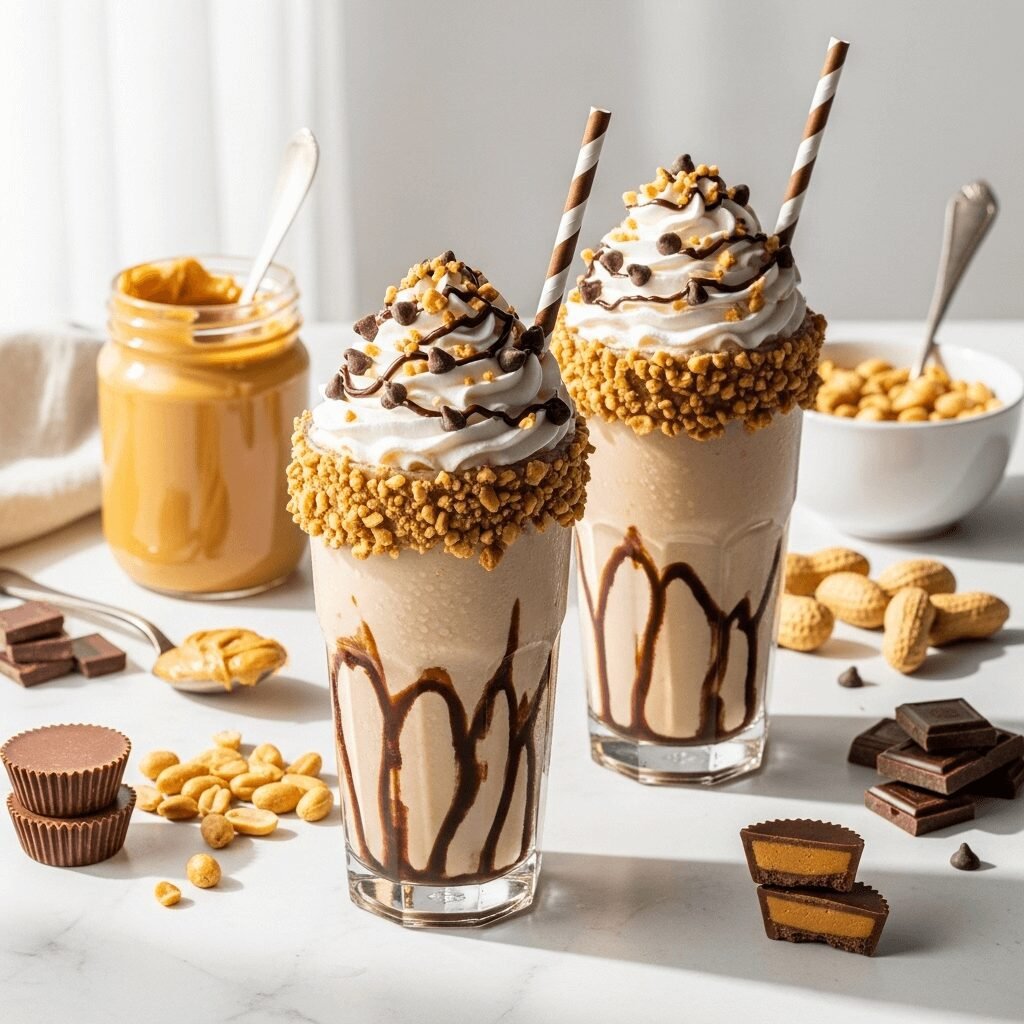
Optional Toppings: Whipped cream (homemade or store-bought), chocolate syrup drizzle, crushed peanuts for crunch, chocolate chips, or crumbled peanut butter cups for ultimate indulgence.
Equipment Needed
The wonderful thing about making peanut butter milkshakes is that you need minimal equipment—just basic kitchen tools you almost certainly already own:
Blender: Your most essential tool and the only appliance you truly need. A standard countertop blender works beautifully for this recipe. You don’t need an expensive high-powered model like a Vitamix or Blendtec, though they do create exceptionally smooth results. Even a basic $30-40 blender handles this perfectly since you’re blending relatively soft ingredients. If your blender has variable speeds and a pulse function, you’ll have better control, but it’s not mandatory. Immersion blenders technically work but make it harder to achieve uniform consistency—a regular blender is definitely preferred.
Measuring Cups: Both liquid measuring cups (for milk) and dry measuring cups (for scooping ice cream and measuring peanut butter) help you get proportions right. Consistent measurements ensure you can recreate perfect results every time.
Measuring Spoons: For accurately measuring peanut butter, optional sweeteners, and any flavor enhancers you’re adding.
Ice Cream Scoop: Makes portioning ice cream much easier, cleaner, and more consistent. A good quality scoop with a release mechanism is incredibly useful for countless recipes beyond just milkshakes. If you don’t have one, a large sturdy spoon works fine—just be prepared for slightly messier scooping.
Rubber Spatula: Absolutely essential for scraping every last bit of peanut butter from measuring spoons and getting all your delicious milkshake out of the blender. Peanut butter is sticky and precious—don’t waste any!
Tall Glasses: For serving your finished masterpiece. Classic milkshake glasses (12-16 ounce capacity) are ideal, but any tall glass works great. Clear glasses show off that beautiful tan color. Mason jars are trendy and work wonderfully too.
Thick Straws: Wide-diameter straws work best for thick milkshakes. Paper, reusable metal, or sturdy plastic straws all work—just make sure they’re wide enough to handle a thick shake without collapsing. Boba tea straws (the extra-wide ones) are absolutely perfect for this.
Butter Knife or Spoon: Helpful for leveling off peanut butter in measuring spoons to ensure accurate measurements.
That’s the complete list! No fancy gadgets, no specialized equipment—just everyday kitchen basics that make this recipe accessible to absolutely everyone.
Print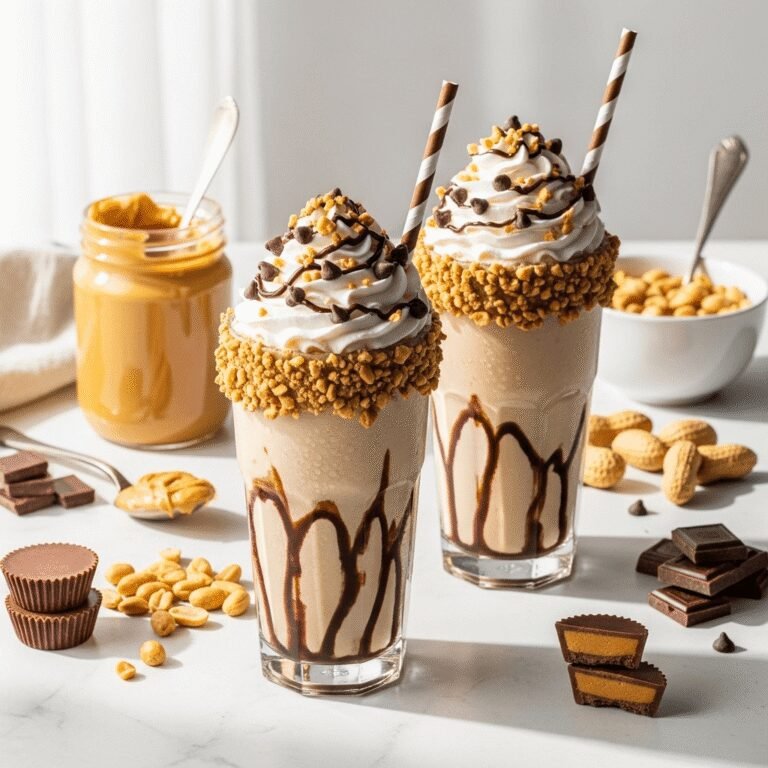
Peanut Butter Milkshake Recipe
This easy homemade peanut butter milkshake is thick, creamy, and packed with rich peanut butter flavor! Made with just 4 simple ingredients in 5 minutes, this protein-packed shake tastes like a frozen peanut butter cup and costs a fraction of ice cream shop prices. Perfect for peanut butter lovers of all ages!
- Total Time: 5 minutes
- Yield: 2 servings 1x
Ingredients
- 3-4 tablespoons creamy peanut butter (about ¼ cup), at room temperature
- 2-3 large scoops vanilla ice cream (about 1½ to 2 cups)
- ½ to ¾ cup whole milk (or milk of choice)
- 1-2 tablespoons honey or maple syrup (optional, adjust to taste)
- ½ teaspoon vanilla extract (optional, for enhanced flavor)
- Pinch of salt (optional, enhances flavor)
- Whipped cream, for topping (optional)
- Chocolate syrup, for drizzling (optional)
- Crushed peanuts or peanut butter cups, for garnish (optional)
Instructions
- Prepare ingredients: Take your vanilla ice cream out of the freezer and let it sit at room temperature for about 5 minutes to soften slightly. This makes blending significantly easier and creates a smoother texture without overworking your blender motor. If your peanut butter is cold or firm from the pantry, leaving it out briefly helps it blend more easily.
- Add peanut butter to blender: Scoop 3-4 tablespoons of creamy peanut butter into your blender using a rubber spatula to get every bit in. Start with 3 tablespoons for moderate peanut butter flavor, or use 4-5 tablespoons if you want intense peanut butter taste. The peanut butter will stick to your spatula initially, but it’ll come off during blending.
- Add ice cream: Add your 2-3 scoops of vanilla ice cream on top of the peanut butter. Starting with 2 scoops creates a thinner, more drinkable shake, while 3 scoops makes it thick and almost spoonable. Most people prefer somewhere in between, so 2½ scoops is perfect.
- Add milk: Pour in ½ cup of milk to start. Remember, you can always add more to thin it out, but you can’t remove milk once it’s in. Starting conservatively gives you better control over the final consistency you want to achieve.
- Add optional ingredients: If using honey, maple syrup, vanilla extract, or a pinch of salt, add them now before blending. These enhance and round out the flavors beautifully.
- Blend on low speed first: Start your blender on the lowest speed setting and blend for about 10-15 seconds. This helps break up the ice cream and peanut butter, getting everything moving without splattering. You’ll see the ingredients start to combine but will still look chunky and uneven.
- Increase speed and blend until smooth: Increase to medium-high speed and blend for 30-45 seconds until the mixture is completely smooth, uniformly tan-colored, and creamy with no chunks of ice cream or streaks of peanut butter remaining. Stop and scrape down the sides with a spatula if needed, then blend for another 10 seconds.
- Check consistency: Stop the blender and check the thickness. If your milkshake is too thick to pour easily or drink through a straw, add 2-3 tablespoons more milk and blend for another 10-15 seconds. If it’s too thin for your preference, add another small scoop of ice cream and blend briefly. The shake should coat a spoon but still be pourable.
- Taste and adjust: Give it a quick taste test. Want more peanut butter flavor? Add another tablespoon and blend for 10 seconds. Need more sweetness? Add honey or an extra small scoop of ice cream. Prefer less sweet? Add a splash more milk to dilute slightly. This is your chance to make it perfect for your palate.
- Prepare glasses (optional): For café-worthy presentation, drizzle chocolate syrup around the inside of your serving glasses before pouring in the shake. This creates beautiful streaks and adds visual appeal.
- Serve immediately: Pour your peanut butter milkshake into tall, preferably chilled glasses. Top with generous swirls of whipped cream if desired. Drizzle with chocolate syrup, sprinkle with crushed peanuts or chopped peanut butter cups, or keep it simple. Insert thick straws and enjoy right away while it’s perfectly cold, thick, and creamy!
Notes
- Peanut butter amount is flexible: Start with 3 tablespoons for moderate flavor, or use 4-5 tablespoons for intense peanut butter taste. You really can’t add too much if you love peanut butter!
- Use creamy, not natural: Regular creamy peanut butter (like Jif or Skippy) blends smoothest. Natural peanut butter works but requires thorough stirring first and may create slight graininess.
- Consistency control: The ice cream-to-milk ratio determines thickness. More ice cream = thicker shake. More milk = thinner, easier to sip. Adjust to personal preference.
- Room temperature peanut butter blends best: Cold peanut butter doesn’t incorporate as smoothly. Let it sit at room temperature for easier blending.
- Don’t over-blend: Blend just until smooth—usually 30-45 seconds total. Over-blending generates heat that melts ice cream and creates thin, watery shakes.
- Make it chocolatey: Add 1-2 tablespoons cocoa powder or chocolate syrup for peanut butter cup flavor.
- Boost nutrition: Add a frozen banana for potassium and extra creaminess, or a scoop of protein powder for more protein.
- Prep Time: 5 minutes
- Cook Time: 0 minutes
Nutrition
- Serving Size: 1 milkshake (approximately 12-14 oz)
- Calories: 465
- Sugar: 42g
- Sodium: 220mg
- Fat: 23g
- Saturated Fat: 9g
- Unsaturated Fat: 12g
- Trans Fat: 0g
- Carbohydrates: 52g
- Fiber: 2g
- Protein: 13g
- Cholesterol: 45mg
Tips & Variations
The beauty of this peanut butter milkshake is its incredible versatility. Here are delicious ways to customize it and create exciting new flavor combinations:
Chocolate Peanut Butter Cup Shake: Add 2 tablespoons of cocoa powder or chocolate syrup to create that beloved Reese’s peanut butter cup flavor. You can also use chocolate ice cream instead of vanilla for even more chocolate intensity. Top with chopped peanut butter cups for the ultimate indulgence.
Peanut Butter Banana Milkshake: Add half a ripe frozen banana to the blender along with your other ingredients. Peanut butter and banana is a classic combination that adds natural sweetness, extra creaminess, and potassium. The banana makes the shake thicker and more filling—perfect for a substantial breakfast treat.
Peanut Butter and Jelly Shake: Add ¼ cup of strawberry or grape jam, or use fresh strawberries (about ½ cup) for a PB&J-inspired shake. This nostalgic flavor combo brings childhood memories to life in milkshake form.
Salted Caramel Peanut Butter Shake: Swirl in 2-3 tablespoons of caramel sauce and add an extra pinch of sea salt. The sweet-salty combination is absolutely divine and sophisticated enough for adult palates.
Peanut Butter Coffee Shake: Add 2-3 tablespoons of cold brewed coffee or a shot of cold espresso for a caffeinated version. Coffee enhances peanut butter’s nutty notes and creates a more complex, grown-up flavor profile.
Protein-Packed Version: Add a scoop (20-30g) of vanilla or chocolate protein powder to boost nutrition significantly. This makes it more filling and transforms it into a legitimate post-workout recovery drink or substantial breakfast. You may need to add slightly more milk since protein powder thickens the mixture.
Lighter Peanut Butter Shake: Use low-fat vanilla frozen yogurt instead of ice cream, reduced-fat peanut butter (like PB2 powder—use ¼ cup), and skim milk. This cuts calories roughly in half while maintaining satisfying peanut butter flavor.
Cookie Butter Twist: Replace half the peanut butter with cookie butter (Biscoff spread) for an interesting flavor mashup. The spiced cookie notes complement peanut butter surprisingly well.
Nutella Peanut Butter Combo: Use 2 tablespoons peanut butter and 2 tablespoons Nutella for a chocolate-hazelnut-peanut fusion that’s absolutely decadent.
Vegan/Dairy-Free Version: Use dairy-free vanilla ice cream (oat, coconut, or almond-based) and your favorite non-dairy milk. Make sure your peanut butter doesn’t contain honey if you’re strictly vegan.
Extra Thick Shake: Use only ¼ cup of milk and 3 full scoops of ice cream. This creates an ultra-thick, almost soft-serve consistency that you’ll need to eat with a spoon.
Crunchy Peanut Butter Shake: Pulse in 2-3 tablespoons of chopped peanuts at the very end for textural contrast and extra peanut flavor.
Pro Chef Tips
These professional insights will elevate your peanut butter milkshake from delicious to absolutely extraordinary:
Warm peanut butter slightly for easier blending: If your peanut butter is thick and difficult to scoop, microwave it for just 10-15 seconds to make it barely warm and more fluid. This creates the smoothest blend and prevents lumps. Don’t overheat—you just want it softened and pourable, not hot.
Freeze your serving glasses: Place your glasses in the freezer for 15-20 minutes before making your shake. This simple trick keeps everything colder longer and prevents rapid melting. It’s what professional ice cream shops and restaurants do for all frozen beverages, and it makes a noticeable difference.
Add a pinch of salt: Even if your peanut butter is already salted, adding just a tiny pinch of fine sea salt (barely ⅛ teaspoon) to the blender enhances all the flavors dramatically. Salt makes sweet things taste sweeter and brings out peanut butter’s nutty complexity. This is a pastry chef secret that works magic in all nut-based desserts.
Use the pulse function strategically: Before continuous blending, pulse 5-6 times to break up the ice cream and distribute the peanut butter. This prevents your blender motor from straining and ensures even mixing without over-blending. It’s especially helpful if you have a less powerful blender.
Layer ingredients correctly: For optimal blending, put liquid (milk) at the bottom if you have a less powerful blender, as this helps the blades move more easily. For powerful blenders, put peanut butter at the bottom so it gets hit directly by the blades and incorporates evenly from the start.
Add frozen banana for restaurant texture: Professional milkshake makers often add half a frozen banana even when it’s not part of the flavor profile. It creates incredibly smooth, creamy texture and adds natural sweetness without affecting the peanut butter taste much. It’s the secret to that perfect mouthfeel.
Coat the glass with chocolate: Before pouring your shake, drizzle chocolate syrup around the inside of your glass in decorative patterns. As you pour the shake, it creates beautiful visual streaks and adds chocolate flavor with every sip. This presentation technique makes it look like you ordered from an upscale dessert shop.
Don’t skip the vanilla extract: Even though it’s optional, that ½ teaspoon of vanilla extract makes a noticeable difference. Vanilla enhances and rounds out all the other flavors, adding aromatic depth that makes the shake taste more complex and complete.
Use premium ice cream: This is worth emphasizing—the quality of your ice cream dramatically affects your final result. Premium ice creams have higher butterfat content, less air, and create exponentially better texture and richness. The difference between budget and premium ice cream is massive in milkshakes.
Taste peanut butter before using: Peanut butter brands vary wildly in sweetness and saltiness. Taste yours before making the shake so you know whether to adjust sweetener or salt. Natural peanut butters are less sweet and may need extra honey, while commercial brands might need nothing added.
Common Mistakes to Avoid
Even with such a straightforward recipe, there are several pitfalls that can compromise your perfect peanut butter milkshake. Here’s what to watch out for:
Using natural peanut butter without mixing it first: Natural peanut butter separates with oil on top and dense paste on bottom. If you don’t stir it thoroughly before measuring, you’ll get inconsistent results—either too oily or too dry and crumbly. Always stir natural peanut butter very well before using it in milkshakes. Better yet, use regular creamy peanut butter (like Jif or Skippy) for the smoothest, most consistent results.
Adding too much milk at once: This is the most common way to accidentally create a thin smoothie instead of a thick milkshake. Milk dilutes both texture and flavor quickly. Always start with just ½ cup and add more gradually, tablespoon by tablespoon, until you reach your desired consistency. Remember: you can always thin a shake, but you can’t un-thin it without adding more ice cream.
Over-blending: More blending doesn’t equal better results. The friction from extended blending generates heat, which melts your ice cream and creates thin, watery consistency. Blend just until smooth and uniform—typically 30-45 seconds total. If you notice your shake getting thinner as you blend, stop immediately. You’ve gone too far and need to add another scoop of ice cream to salvage it.
Using low-quality or icy ice cream: Budget ice creams contain more air, less cream, and often develop ice crystals from temperature fluctuations. These create icy, grainy milkshakes instead of smooth, creamy ones. Ice cream that’s been in your freezer for months also develops freezer burn and off flavors. Always use fresh, high-quality ice cream for dramatically better results—it’s absolutely worth the extra dollar or two.
Not scraping down the sides: Peanut butter is sticky and sometimes clings to blender sides instead of mixing in. If you notice unmixed peanut butter on the sides, stop the blender, scrape everything down with a spatula, and continue blending. Otherwise, you’ll have peanut butter streaks and uneven flavor distribution.
Skipping the softening step: Rock-hard ice cream straight from the freezer is difficult to blend, strains your blender motor, and doesn’t blend as smoothly. Always let it sit at room temperature for 5 minutes first. This simple step makes blending easier and creates better texture.
Serving in warm glasses: Putting a cold milkshake in a room-temperature or warm glass accelerates melting dramatically and dilutes flavor. Always use chilled glasses, or at minimum, room-temperature ones that haven’t just come out of the dishwasher.
Storage & Meal Prep
While peanut butter milkshakes are absolutely best enjoyed fresh and immediately, there are times when you might need to store leftovers or plan components ahead. Here’s what you need to know:
Immediate consumption is ideal: The perfect peanut butter milkshake should be consumed within 5-10 minutes of blending. This is when the texture is at its absolute peak—thick, creamy, uniformly smooth, and perfectly cold. The ice cream hasn’t started melting or separating, and the peanut butter is evenly distributed throughout.
Short-term storage (up to 2 hours): If you need to wait before drinking, pour your milkshake into an airtight container or tightly cover your glass with plastic wrap and place it in the freezer (not the refrigerator). When you’re ready to enjoy, let it sit at room temperature for 3-5 minutes to soften slightly, then stir vigorously with a spoon before drinking. The texture won’t be quite as perfect as fresh, but it’s still delicious and enjoyable.
Refrigerator storage (not recommended): You can technically store leftover milkshake in an airtight container in the refrigerator for up to 24 hours, but prepare for disappointing results. The shake will completely separate with melted ice cream settling to the bottom and peanut butter sometimes rising or creating an oily layer. It becomes thin and watery. If you do this, you’ll absolutely need to re-blend with a fresh scoop of ice cream to restore anything resembling the original texture.
Re-blending separated shakes: If your stored peanut butter milkshake has separated or become too thin, add a fresh scoop of vanilla ice cream and 1-2 tablespoons of fresh peanut butter, then blend for 10-15 seconds. This brings back most of the original creamy texture and cold temperature. You can also add 3-4 ice cubes to chill and thicken it again, though this dilutes the peanut butter flavor slightly.
Portion control for one serving: If you’re making this recipe but only want one serving right now, simply halve all the ingredients. It’s much easier to make a fresh shake later than to try storing and reviving leftovers. Milkshakes just don’t store well—they’re meant to be enjoyed fresh.
Make-Ahead & Freezer Notes
While milkshakes are definitely best fresh, there are smart strategies for planning ahead that can save time when cravings strike:
Pre-measure peanut butter: The easiest make-ahead approach is portioning your peanut butter. Measure out ¼-cup portions into small containers or even ice cube trays, then refrigerate or freeze. When you want a milkshake, just pop out one portion and blend—no measuring required and no sticky spoons.
Portion ice cream: If you make peanut butter shakes frequently, portion your ice cream into individual servings (about 1½ cups each) in freezer bags or containers. This makes whipping up a shake even faster since you don’t have to scoop rock-hard ice cream—just grab a pre-portioned bag.
Freezing finished milkshakes: You can freeze blended peanut butter milkshakes in freezer-safe containers for up to one month, but they’ll solidify into a firm block. To serve, transfer to the refrigerator for 20-30 minutes to partially thaw, then re-blend with ¼ cup fresh milk to restore drinkable consistency. Honestly, this is more work than just making a fresh shake from scratch, but it’s possible if you’ve made too much.
Milkshake popsicles (much better option): A far superior use for extra milkshake is pouring it into popsicle molds and freezing. Peanut butter milkshake popsicles are absolutely incredible—they taste like frozen peanut butter treats and actually benefit from being frozen solid. They keep for up to 2 months and make fantastic summer snacks. Kids especially love these!
Make banana ice cream base: Freeze sliced bananas in advance. When you want a milkshake, blend frozen banana with peanut butter and a splash of milk for a healthier, ice cream-free version. This “nice cream” approach creates creamy texture without dairy ice cream.
Create a milkshake kit: Store all your milkshake ingredients together in one designated freezer section—ice cream, portioned peanut butter in the freezer door, frozen bananas if you use them. This makes impromptu milkshake-making incredibly convenient.
Best approach for entertaining: If you’re having guests and want to serve peanut butter milkshakes, have all ingredients prepped and glasses chilled, but blend the shakes fresh right when you’re ready to serve. It only takes 5 minutes and ensures everyone gets the best possible texture and temperature. You can even make it an interactive experience where guests help blend their own shakes with different mix-ins.
Serving Suggestions
A peanut butter milkshake is wonderful on its own, but pairing it thoughtfully can create even more memorable experiences. Here are delicious ways to serve this indulgent treat:
Breakfast and brunch pairings: Serve your peanut butter milkshake alongside pancakes, waffles, or French toast for an ultra-indulgent weekend breakfast. The protein from the peanut butter makes it more substantial than regular milkshakes, so it actually works as part of a balanced breakfast. Pair with crispy bacon for that classic sweet-salty combination, or serve with fresh fruit like strawberries or banana slices. Toast with peanut butter and jelly on the side creates a fun, cohesive peanut butter-themed breakfast experience.
Classic dessert accompaniments: Peanut butter milkshakes pair beautifully with warm brownies—the temperature contrast between hot fudgy brownies and cold creamy shake is absolutely divine. Chocolate chip cookies are perfect for dunking, creating little bits of cookie throughout your shake. Warm chocolate cake, peanut butter cookies, or even a slice of apple pie all complement the nutty richness. The cold shake provides a refreshing palate cleanser between bites of rich dessert.
Afternoon snack pairings: Serve with graham crackers, vanilla wafers, or animal crackers for a simple after-school snack that kids love. Pretzels (especially chocolate-covered ones) provide salty crunch that contrasts beautifully with sweet, creamy shake. A slice of banana bread or zucchini bread makes it more substantial. Rice Krispies treats or granola bars create a fun, casual snack combination.
Birthday party perfection: Set up a peanut butter milkshake bar at children’s birthday parties with various toppings: whipped cream, chocolate syrup, crushed peanuts, mini chocolate chips, sprinkles, and chopped peanut butter cups. Let kids customize their own shakes for interactive entertainment. Serve alongside pizza (surprisingly great combination!) or hot dogs for a party meal everyone enjoys. Pair with birthday cake or cupcakes for a double-dessert celebration.
Movie night magic: Peanut butter milkshakes are fantastic for movie watching at home, especially paired with popcorn (the sweet-salty combination works beautifully), candy like M&Ms or Reese’s Pieces, soft pretzels, or nachos. The thick, satisfying shake keeps you full through a long movie without needing constant snack refills.
Summer barbecue dessert: After grilling burgers, hot dogs, ribs, or barbecue chicken, peanut butter milkshakes provide a cool, refreshing dessert that everyone can enjoy. They’re particularly welcome on scorching summer days when you want something cold and satisfying but don’t want to turn on the oven for traditional desserts. The richness balances well after savory, smoky grilled foods.
Lunch box upgrade: While not traditional, a peanut butter milkshake in a thermos makes an exciting lunch treat for kids (if your school allows peanut products). Pair with a sandwich, veggie sticks, and fruit for a complete lunch. The protein makes it more nutritious than juice boxes or soda.
Coffee shop at home experience: Create a full café atmosphere by serving peanut butter milkshakes alongside an assortment of muffins, scones, Danish pastries, or biscotti. Brew some coffee or tea for those who want hot beverages. Set out various toppings and let everyone customize their drinks. This makes for a fun weekend activity with family or a special treat when friends visit.
Comfort food pairings: Peanut butter shakes pair surprisingly well with comfort foods like grilled cheese sandwiches (try it—the combination is nostalgic and delicious), tomato soup, or even mac and cheese. The creamy, nutty shake complements these cozy, comforting flavors in unexpected ways that feel very “American diner.”
FAQs Section
Can I use natural peanut butter instead of regular peanut butter?
Yes, absolutely! Natural peanut butter works in this recipe, but there are a few important considerations. First, you must stir it extremely thoroughly before using since natural peanut butter separates with oil on top. If you don’t mix it well, you’ll get inconsistent results—either too oily or too thick and grainy. Second, natural peanut butter tends to be less sweet than commercial brands like Jif or Skippy, so you might want to add an extra tablespoon of honey or maple syrup. Third, the texture might be slightly less smooth—natural peanut butter can create tiny bits of graininess that some people notice. That said, many people prefer natural peanut butter for its cleaner ingredients and it definitely works! Just be aware of these small differences.
How do I make this milkshake thicker?
There are several effective methods for creating an ultra-thick peanut butter milkshake: use more ice cream and less milk (try 3 full scoops of ice cream with only ¼ cup milk), add half a frozen banana which thickens without adding liquid, include 3-4 ice cubes while blending, add an extra tablespoon of peanut butter which naturally thickens, use a tablespoon of instant vanilla pudding mix (works like magic!), or freeze your finished milkshake for 10-15 minutes. Also ensure you’re not over-blending, as extended blending melts ice cream and creates thinner consistency. Finally, premium ice cream with higher fat content creates naturally thicker shakes than budget brands.
Can I make this without a blender?
While a blender creates the smoothest, best results, you can make a peanut butter milkshake without one using alternative methods. Let your ice cream soften to almost soft-serve consistency, then whisk it vigorously with the peanut butter and milk in a large bowl using a strong whisk or hand mixer. This requires significant arm strength and won’t be quite as smooth, but it works. An immersion blender is another option—it’s not quite as effective as a countertop blender but works reasonably well. A food processor can work in a pinch too. The key is softening the ice cream significantly before attempting to mix it manually. Expect slightly less smooth texture, but the flavor will still be delicious.
Is peanut butter milkshake healthy or just a dessert?
This is definitely more of a treat than a health food, but it does have some nutritional benefits that regular milkshakes lack. Peanut butter provides protein (about 8g per serving), healthy monounsaturated and polyunsaturated fats, vitamin E, magnesium, and fiber. These nutrients make the shake more filling and satisfying than pure sugar desserts. That said, it’s still high in calories, sugar, and fat due to the ice cream, so it’s best enjoyed as an occasional indulgence rather than a daily beverage. To make it healthier, you can use frozen banana instead of half the ice cream, choose low-fat frozen yogurt, use reduced-fat peanut butter or PB2 powder, and add a scoop of protein powder. Think of it as a more nutritious dessert option—better than cake or candy, but still a special treat.
Can kids with peanut allergies have this?
Children with peanut allergies should never have traditional peanut butter. However, you can make a completely nut-free version that tastes similar using sunflower seed butter (like SunButter brand). Sunflower seed butter has a remarkably similar texture and nutty flavor to peanut butter and works perfectly in this recipe using the exact same measurements. Other alternatives include soy nut butter or even tahini (sesame seed paste), though tahini has a distinctly different, more savory flavor. Always check all ingredient labels carefully—some ice creams are processed in facilities that handle nuts. For children with severe allergies, make sure everything is certified nut-free and safe.
Why did my milkshake separate or get watery?
Separation or wateriness usually indicates one of these issues: you over-blended and the friction melted your ice cream, creating liquid that separated from solids; you used low-quality ice cream with high water content that melted quickly; you let the shake sit too long before drinking and natural separation occurred; you added too much milk initially, creating thin consistency from the start; or your ice cream had freezer burn with ice crystals that melted into water. To fix a separated shake, re-blend with a fresh scoop of ice cream and a tablespoon of peanut butter. For prevention, blend for only 30-45 seconds maximum, use fresh premium ice cream, serve immediately, and always start with less milk than you think you need.
Can I make this vegan or dairy-free?
Definitely! This peanut butter milkshake adapts beautifully for vegan and dairy-free diets. Simply use dairy-free vanilla ice cream—oat milk ice cream creates exceptional creaminess, coconut milk ice cream is rich and indulgent, and almond milk ice cream adds complementary nutty notes. Use your favorite non-dairy milk (oat, almond, soy, cashew, or coconut all work great). Make sure your peanut butter doesn’t contain honey if you’re strictly vegan—most commercial peanut butters are naturally vegan, but always check labels. The texture and flavor are just as delicious as the dairy version! Many people actually prefer oat milk versions because they’re incredibly creamy and smooth.
How long does peanut butter milkshake last in the freezer?
While you can freeze peanut butter milkshakes in airtight containers for up to one month, they’ll solidify into a firm block rather than maintaining milkshake consistency. When you want to drink it, you’ll need to partially thaw it in the refrigerator for 20-30 minutes, then re-blend with about ¼ cup fresh milk to restore drinkable texture. Honestly, this is more work than just making a fresh shake, so freezing isn’t ideal for finished milkshakes. A much better option is freezing leftover shake in popsicle molds—peanut butter milkshake popsicles are absolutely delicious and actually benefit from being frozen solid. They keep beautifully for 2 months and make fantastic frozen treats. For regular milkshakes, always make them fresh for best results.
Conclusion
And there you have it—everything you need to know to make the most incredible, creamy peanut butter milkshake right in your own kitchen! This simple four-ingredient recipe proves that the best treats don’t require complicated techniques, exotic ingredients, or professional training. In just five minutes, you can transform basic pantry staples into a thick, dreamy, absolutely delicious shake that rivals anything from fancy ice cream shops or dessert cafés—at a fraction of the cost.
The beauty of this homemade peanut butter shake lies in its perfect balance of rich nutty flavor, creamy sweetness, and satisfying protein that makes it more substantial than ordinary milkshakes. Whether you’re making it as an after-school snack that kids will devour, a special weekend breakfast treat, a birthday party highlight, or a late-night dessert indulgence, this shake delivers pure happiness and comfort in every single sip. The thick, velvety texture combined with that unmistakable peanut butter flavor creates something truly special.
Don’t forget to experiment with all the variations and tips throughout this article! Try the chocolate peanut butter cup version for extra decadence, add a banana for natural sweetness and creaminess, boost it with protein powder for a post-workout treat, or create that stunning chocolate-drizzled glass for Instagram-worthy presentation. This recipe is incredibly forgiving and endlessly customizable, so have fun making it your own and discovering your perfect peanut butter milkshake.
Now it’s your turn to grab that jar of peanut butter and blend up this amazing shake! I’d absolutely love to hear how it turns out for you. Did you try any creative variations? What toppings did you use? Did your kids (or you!) go back for seconds? Drop a comment below and share your peanut butter milkshake experience—I read every single comment and love hearing from fellow peanut butter lovers!
If this recipe made you as happy as it makes me, please save it to your favorite Pinterest board so you can find it easily whenever that peanut butter craving hits. Share it with your friends, family, and fellow peanut butter enthusiasts—everyone deserves to know how easy it is to make this incredible treat at home. Your kitchen is about to become the neighborhood’s favorite milkshake destination!
Happy blending, and enjoy every thick, creamy, peanut buttery sip! 🥜🥤