Classic Tomato Onion Salsa Recipe – Fresh, Chunky & Full of Flavor

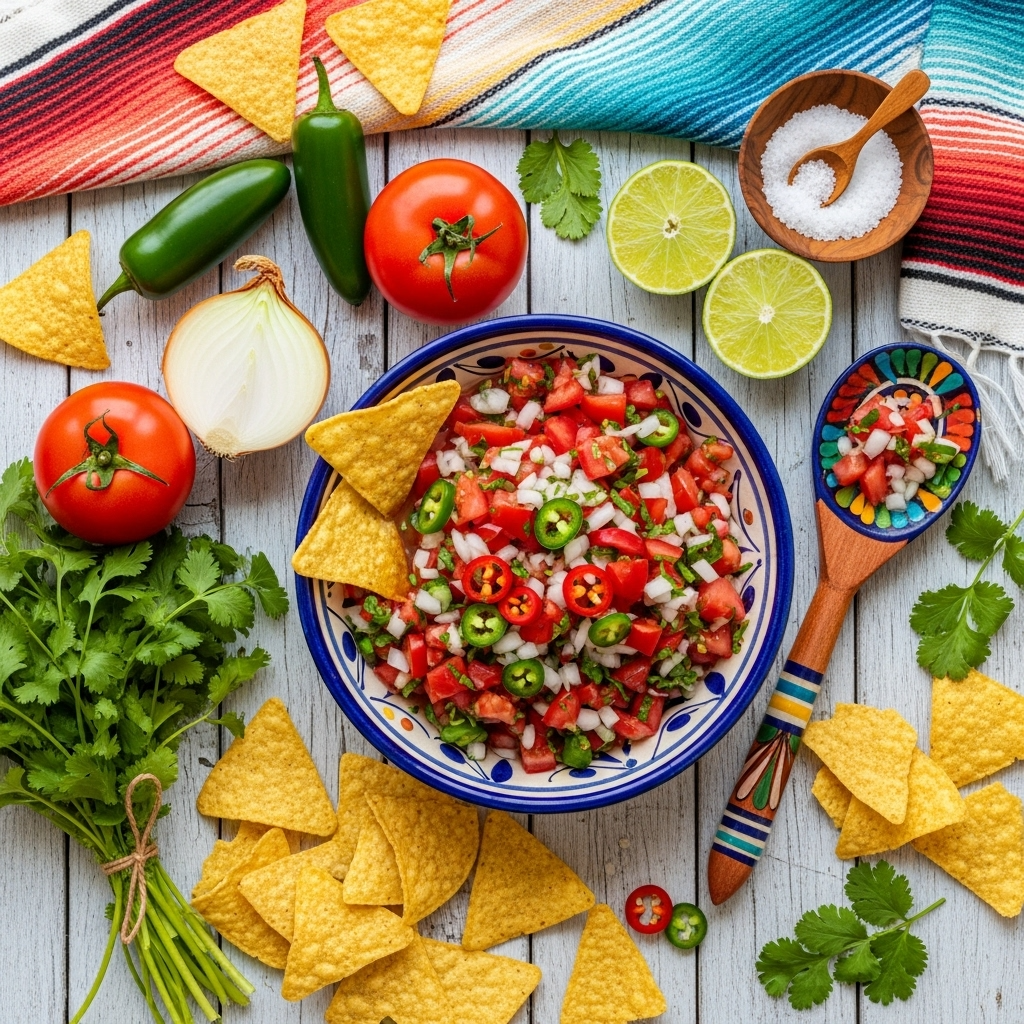
Get ready to discover the classic tomato onion salsa recipe that’s been bringing people together at tables across America and Mexico for generations! This fresh, chunky salsa is the ultimate crowd-pleaser—bursting with ripe tomatoes, crisp onions, zesty lime, and just the right amount of heat from fresh jalapeños.
This homemade tomato salsa is what salsa is all about—simple, fresh ingredients coming together to create something infinitely better than anything you can buy at the store. It’s the kind of salsa you’ll find at authentic Mexican restaurants, backyard BBQs, and family gatherings, where bowls are emptied almost as quickly as they’re filled.
What makes this fresh tomato onion salsa so special is its perfect balance of flavors and textures. Every bite delivers juicy tomatoes, sharp onion, bright cilantro, tangy lime, and that satisfying crunch that only fresh salsa can provide. It’s not too chunky, not too smooth—just perfectly balanced and incredibly addictive.
This recipe is ridiculously easy to make—no cooking required, just fresh ingredients and about 15 minutes of your time. Whether you’re serving it with tortilla chips as an appetizer, spooning it over tacos and burritos, topping grilled chicken or fish, or adding it to breakfast eggs, this versatile salsa elevates everything it touches. Once you experience how simple and delicious homemade salsa can be, you’ll wonder why you ever bought the jarred stuff!
History / Background
Tomato-based salsa, known as “salsa roja” or “pico de gallo” (depending on the preparation), has been a cornerstone of Mexican cuisine since ancient times. The word “salsa” simply means “sauce” in Spanish, and the concept of combining tomatoes, chili peppers, and other ingredients dates back to the Aztec civilization around the 1500s.
The Aztecs were among the first to cultivate tomatoes and combine them with chili peppers to create what we would recognize today as salsa. Early versions were made using a molcajete (a traditional stone mortar and pestle) to grind tomatoes, chilies, and other ingredients into a chunky sauce. This method is still used in many traditional Mexican kitchens today.
Tomatoes themselves originated in Mesoamerica and were cultivated by indigenous peoples long before European contact. The name “tomato” comes from the Nahuatl (Aztec) word “tomatl.” When Spanish conquistadors arrived in Mexico, they were introduced to this vibrant red fruit and the various salsas made from it, eventually bringing tomatoes back to Europe where they became a staple ingredient.
The specific combination of tomatoes, onions, cilantro, lime, and peppers that characterizes this easy tomato salsa has evolved over centuries, with each region of Mexico developing its own preferred proportions and preparation methods. In northern Mexico and along the Texas border, chunky fresh salsas like this one are particularly popular, often called “salsa fresca” (fresh salsa) or “pico de gallo” (literally “rooster’s beak,” possibly referring to the way people used to eat it by pinching it between their fingers).
In the United States, tomato salsa gained massive popularity starting in the 1980s and 1990s, eventually outselling ketchup to become America’s favorite condiment. Today, this classic tomato onion salsa is beloved worldwide, celebrated for its fresh flavors, versatility, and the way it brings people together around shared food and conversation.
Why You’ll Love This Recipe
This classic tomato onion salsa is about to become your go-to recipe for good reason—it’s everything you want in a salsa and so much more!
The beauty of this salsa lies in its simplicity. You’re not masking anything with heavy seasoning or complicated techniques. Instead, you’re celebrating fresh, ripe tomatoes at their best, enhanced by sharp onion, bright cilantro, and zesty lime. The result is clean, vibrant flavor that tastes like summer in a bowl.
Here’s why this recipe will become a staple in your kitchen:
- Incredibly Easy – Ready in just 15 minutes with no cooking required
- Better Than Store-Bought – Fresher, more flavorful, and no preservatives or additives
- Budget-Friendly – Uses simple, affordable ingredients you can find anywhere
- Customizable Heat – Easily adjust the spice level to suit any palate
- Naturally Healthy – Low in calories, packed with vitamins, and full of fresh vegetables
- Versatile for Any Meal – Works as a dip, topping, side dish, or cooking ingredient
- Perfect for Meal Prep – Makes a large batch that lasts all week
- Family-Friendly – Even picky eaters love this fresh, classic flavor
- No Special Equipment – Just a knife, cutting board, and bowl
- Crowd-Pleaser – Always a hit at parties, potlucks, and gatherings
- Quick to Scale – Double or triple the recipe easily for large groups
- Gluten-Free & Vegan – Naturally accommodates most dietary restrictions
Ingredient Notes
The secret to exceptional salsa is using the freshest, highest-quality ingredients possible. Here’s what you need to know:
Fresh Tomatoes – The foundation of your salsa! Roma tomatoes (also called plum tomatoes) are the traditional choice because they’re meatier, have less juice, and fewer seeds than regular tomatoes, which prevents watery salsa. They also have concentrated tomato flavor that shines through. Choose ripe but firm tomatoes that are deep red and smell fragrant. Vine-ripened or heirloom tomatoes also work beautifully if they’re in season. In a pinch, you can use cherry or grape tomatoes (halved), but the texture will be slightly different.
White Onion – Traditional in Mexican cooking, white onions have a sharp, clean flavor that stands up well in salsa. They’re more pungent than yellow onions but sweeter than red onions. You can substitute with red onion (which adds pretty color and slightly milder flavor) or yellow onion if needed. For a gentler onion flavor, soak the diced onion in cold water for 10 minutes, then drain and pat dry.
Jalapeño Peppers – Provide essential heat and fresh pepper flavor. Jalapeños vary significantly in heat level, even from the same plant! The heat comes primarily from the seeds and white membranes, so remove them for mild salsa or leave them in for spicier salsa. Always start with less than you think you need—you can add more, but you can’t take it out.
Fresh Cilantro – This herb is absolutely essential to authentic Mexican salsa. It provides bright, citrusy notes that complement the tomatoes perfectly. Use both leaves and tender stems—the stems actually have more flavor! If you’re among the 10-15% of people with the genetic variation that makes cilantro taste soapy, you can substitute with fresh parsley, though the flavor will be noticeably different.
Fresh Lime Juice – Adds brightness, acidity, and helps preserve the salsa while enhancing all the other flavors. Fresh lime juice is non-negotiable—bottled lime juice has an artificial, flat taste that will ruin your salsa. Mexican limes (also called key limes) are traditional, but regular Persian limes work perfectly.
Garlic – Adds savory depth and complexity. Fresh minced garlic is best, but make sure to mince it very fine so you don’t get overwhelming garlic bites. One clove is usually perfect, but garlic lovers can add two.
Salt – Essential for bringing out and balancing all the natural flavors. Use sea salt or kosher salt for the best results. Salsa needs more salt than you might think—don’t be shy!
Ground Cumin (optional) – While not always traditional, a small pinch of cumin adds earthy depth that many people love in their salsa. It’s completely optional but recommended.
Equipment Needed
This is one of the most low-maintenance recipes you’ll ever make! Here’s what you need:
- Sharp Chef’s Knife – Essential for cleanly dicing tomatoes and onions without crushing them
- Large Cutting Board – Gives you plenty of workspace for chopping
- Large Mixing Bowl – For combining all the ingredients
- Measuring Cups & Spoons – For accurate measurements
- Small Bowls – For holding prepped ingredients before mixing
- Citrus Juicer (optional but helpful) – Makes extracting lime juice easier
- Fine Mesh Strainer (optional) – If you want to drain excess liquid
- Storage Containers – Airtight containers or mason jars with lids
- Wooden Spoon or Spatula – For mixing everything together
Classic Tomato Onion Salsa Recipe
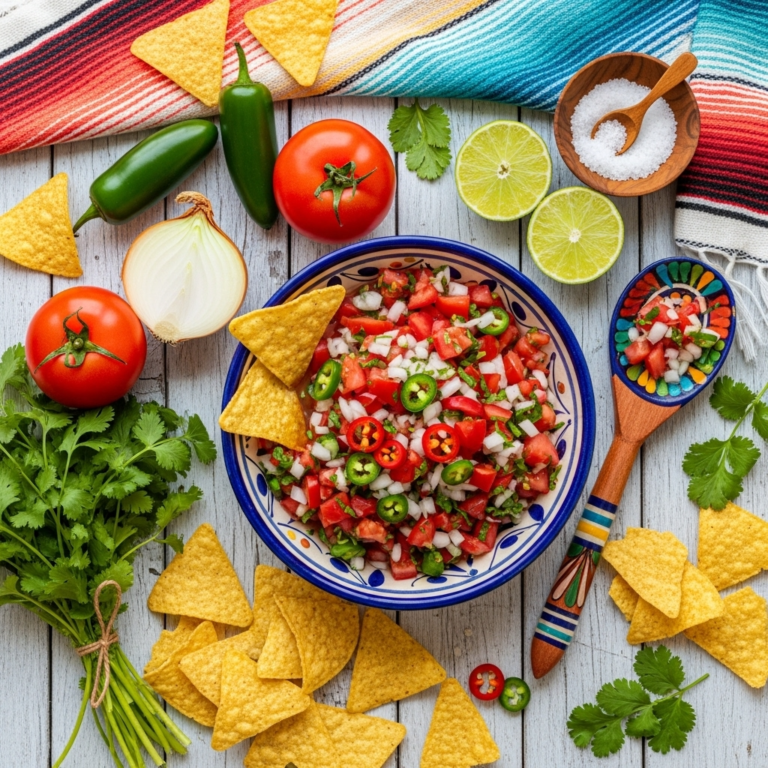
This classic tomato onion salsa recipe features fresh, ripe tomatoes, crisp onion, jalapeños, cilantro, and lime juice for a chunky, flavorful salsa that’s perfect with chips, tacos, or any Mexican dish!
- Total Time: 15 minutes
- Yield: 8 servings (about 3 cups) 1x
Ingredients
- 6 medium Roma tomatoes (about 1½ pounds), diced
- 1 medium white onion, finely diced
- 2 jalapeño peppers, seeded and minced (adjust for heat preference)
- ½ cup fresh cilantro, chopped
- 3 tablespoons fresh lime juice (about 2 limes)
- 2 cloves garlic, minced
- 1 teaspoon sea salt, or to taste
- ½ teaspoon black pepper
- ¼ teaspoon ground cumin (optional)
Instructions
Classic Tomato Onion Salsa Recipe – Fresh, Chunky & Full of Flavor
Introduction of Recipe
Get ready to discover the classic tomato onion salsa recipe that’s been bringing people together at tables across America and Mexico for generations! This fresh, chunky salsa is the ultimate crowd-pleaser—bursting with ripe tomatoes, crisp onions, zesty lime, and just the right amount of heat from fresh jalapeños.
This homemade tomato salsa is what salsa is all about—simple, fresh ingredients coming together to create something infinitely better than anything you can buy at the store. It’s the kind of salsa you’ll find at authentic Mexican restaurants, backyard BBQs, and family gatherings, where bowls are emptied almost as quickly as they’re filled.
What makes this fresh tomato onion salsa so special is its perfect balance of flavors and textures. Every bite delivers juicy tomatoes, sharp onion, bright cilantro, tangy lime, and that satisfying crunch that only fresh salsa can provide. It’s not too chunky, not too smooth—just perfectly balanced and incredibly addictive.
This recipe is ridiculously easy to make—no cooking required, just fresh ingredients and about 15 minutes of your time. Whether you’re serving it with tortilla chips as an appetizer, spooning it over tacos and burritos, topping grilled chicken or fish, or adding it to breakfast eggs, this versatile salsa elevates everything it touches. Once you experience how simple and delicious homemade salsa can be, you’ll wonder why you ever bought the jarred stuff!
History / Background
Tomato-based salsa, known as “salsa roja” or “pico de gallo” (depending on the preparation), has been a cornerstone of Mexican cuisine since ancient times. The word “salsa” simply means “sauce” in Spanish, and the concept of combining tomatoes, chili peppers, and other ingredients dates back to the Aztec civilization around the 1500s.
The Aztecs were among the first to cultivate tomatoes and combine them with chili peppers to create what we would recognize today as salsa. Early versions were made using a molcajete (a traditional stone mortar and pestle) to grind tomatoes, chilies, and other ingredients into a chunky sauce. This method is still used in many traditional Mexican kitchens today.
Tomatoes themselves originated in Mesoamerica and were cultivated by indigenous peoples long before European contact. The name “tomato” comes from the Nahuatl (Aztec) word “tomatl.” When Spanish conquistadors arrived in Mexico, they were introduced to this vibrant red fruit and the various salsas made from it, eventually bringing tomatoes back to Europe where they became a staple ingredient.
The specific combination of tomatoes, onions, cilantro, lime, and peppers that characterizes this easy tomato salsa has evolved over centuries, with each region of Mexico developing its own preferred proportions and preparation methods. In northern Mexico and along the Texas border, chunky fresh salsas like this one are particularly popular, often called “salsa fresca” (fresh salsa) or “pico de gallo” (literally “rooster’s beak,” possibly referring to the way people used to eat it by pinching it between their fingers).
In the United States, tomato salsa gained massive popularity starting in the 1980s and 1990s, eventually outselling ketchup to become America’s favorite condiment. Today, this classic tomato onion salsa is beloved worldwide, celebrated for its fresh flavors, versatility, and the way it brings people together around shared food and conversation.
Why You’ll Love This Recipe
This classic tomato onion salsa is about to become your go-to recipe for good reason—it’s everything you want in a salsa and so much more!
The beauty of this salsa lies in its simplicity. You’re not masking anything with heavy seasoning or complicated techniques. Instead, you’re celebrating fresh, ripe tomatoes at their best, enhanced by sharp onion, bright cilantro, and zesty lime. The result is clean, vibrant flavor that tastes like summer in a bowl.
Here’s why this recipe will become a staple in your kitchen:
- Incredibly Easy – Ready in just 15 minutes with no cooking required
- Better Than Store-Bought – Fresher, more flavorful, and no preservatives or additives
- Budget-Friendly – Uses simple, affordable ingredients you can find anywhere
- Customizable Heat – Easily adjust the spice level to suit any palate
- Naturally Healthy – Low in calories, packed with vitamins, and full of fresh vegetables
- Versatile for Any Meal – Works as a dip, topping, side dish, or cooking ingredient
- Perfect for Meal Prep – Makes a large batch that lasts all week
- Family-Friendly – Even picky eaters love this fresh, classic flavor
- No Special Equipment – Just a knife, cutting board, and bowl
- Crowd-Pleaser – Always a hit at parties, potlucks, and gatherings
- Quick to Scale – Double or triple the recipe easily for large groups
- Gluten-Free & Vegan – Naturally accommodates most dietary restrictions
Ingredient Notes
The secret to exceptional salsa is using the freshest, highest-quality ingredients possible. Here’s what you need to know:
Fresh Tomatoes – The foundation of your salsa! Roma tomatoes (also called plum tomatoes) are the traditional choice because they’re meatier, have less juice, and fewer seeds than regular tomatoes, which prevents watery salsa. They also have concentrated tomato flavor that shines through. Choose ripe but firm tomatoes that are deep red and smell fragrant. Vine-ripened or heirloom tomatoes also work beautifully if they’re in season. In a pinch, you can use cherry or grape tomatoes (halved), but the texture will be slightly different.
White Onion – Traditional in Mexican cooking, white onions have a sharp, clean flavor that stands up well in salsa. They’re more pungent than yellow onions but sweeter than red onions. You can substitute with red onion (which adds pretty color and slightly milder flavor) or yellow onion if needed. For a gentler onion flavor, soak the diced onion in cold water for 10 minutes, then drain and pat dry.
Jalapeño Peppers – Provide essential heat and fresh pepper flavor. Jalapeños vary significantly in heat level, even from the same plant! The heat comes primarily from the seeds and white membranes, so remove them for mild salsa or leave them in for spicier salsa. Always start with less than you think you need—you can add more, but you can’t take it out.
Fresh Cilantro – This herb is absolutely essential to authentic Mexican salsa. It provides bright, citrusy notes that complement the tomatoes perfectly. Use both leaves and tender stems—the stems actually have more flavor! If you’re among the 10-15% of people with the genetic variation that makes cilantro taste soapy, you can substitute with fresh parsley, though the flavor will be noticeably different.
Fresh Lime Juice – Adds brightness, acidity, and helps preserve the salsa while enhancing all the other flavors. Fresh lime juice is non-negotiable—bottled lime juice has an artificial, flat taste that will ruin your salsa. Mexican limes (also called key limes) are traditional, but regular Persian limes work perfectly.
Garlic – Adds savory depth and complexity. Fresh minced garlic is best, but make sure to mince it very fine so you don’t get overwhelming garlic bites. One clove is usually perfect, but garlic lovers can add two.
Salt – Essential for bringing out and balancing all the natural flavors. Use sea salt or kosher salt for the best results. Salsa needs more salt than you might think—don’t be shy!
Ground Cumin (optional) – While not always traditional, a small pinch of cumin adds earthy depth that many people love in their salsa. It’s completely optional but recommended.
Equipment Needed
This is one of the most low-maintenance recipes you’ll ever make! Here’s what you need:
- Sharp Chef’s Knife – Essential for cleanly dicing tomatoes and onions without crushing them
- Large Cutting Board – Gives you plenty of workspace for chopping
- Large Mixing Bowl – For combining all the ingredients
- Measuring Cups & Spoons – For accurate measurements
- Small Bowls – For holding prepped ingredients before mixing
- Citrus Juicer (optional but helpful) – Makes extracting lime juice easier
- Fine Mesh Strainer (optional) – If you want to drain excess liquid
- Storage Containers – Airtight containers or mason jars with lids
- Wooden Spoon or Spatula – For mixing everything together
📋 Recipe Card
Prep Time: 15 minutes
Cook Time: 0 minutes
Total Time: 15 minutes
Yield: 8 servings (about 3 cups)
Category: Appetizer, Dip, Side Dish, Condiment
Method: No-Cook, Chopping
Cuisine: Mexican
Diet: Gluten-Free, Vegan, Vegetarian, Dairy-Free, Paleo, Whole30, Keto-Friendly
Description
This classic tomato onion salsa recipe features fresh, ripe tomatoes, crisp onion, jalapeños, cilantro, and lime juice for a chunky, flavorful salsa that’s perfect with chips, tacos, or any Mexican dish!
Ingredients
- 6 medium Roma tomatoes (about 1½ pounds), diced
- 1 medium white onion, finely diced
- 2 jalapeño peppers, seeded and minced (adjust for heat preference)
- ½ cup fresh cilantro, chopped
- 3 tablespoons fresh lime juice (about 2 limes)
- 2 cloves garlic, minced
- 1 teaspoon sea salt, or to taste
- ½ teaspoon black pepper
- ¼ teaspoon ground cumin (optional)
Instructions
- Prepare the Tomatoes: Start by washing your Roma tomatoes under cold water and patting them dry. Cut each tomato in half lengthwise, then cut each half into quarters. Remove most of the seeds and gel (this prevents watery salsa, though some seeds are fine). Dice the tomato flesh into small, bite-sized pieces—about ¼ to ½ inch is ideal. Place the diced tomatoes in your large mixing bowl. If they’re very juicy, you can let them drain in a colander for a few minutes.
- Dice the Onion: Peel the white onion and cut off both ends. Cut the onion in half from root to stem, then lay each half flat and make thin slices. Turn your knife and cut across the slices to create a fine dice. You want the onion pieces smaller than the tomatoes so they distribute evenly throughout the salsa. If the onion flavor seems too strong, you can soak the diced onion in cold water for 10 minutes, then drain and pat dry before adding to the salsa.
- Prepare the Jalapeños: Wearing gloves if you have sensitive skin, cut the jalapeños in half lengthwise. Use a spoon to scrape out the seeds and white membranes—this is where most of the heat lives. For mild salsa, remove all the seeds. For medium heat, leave a few seeds. For spicy salsa, keep most of the seeds. Mince the jalapeño very finely so the heat distributes evenly. Always start with less than you think you need—you can add more later, but you can’t take it out!
- Chop the Cilantro: Rinse the fresh cilantro and shake off excess water. Don’t worry about removing every stem—the tender stems have lots of flavor. Gather the cilantro into a tight bunch and roughly chop it. You don’t need perfect uniformity; a rustic chop is ideal for salsa.
- Mince the Garlic: Peel the garlic cloves and mince them as finely as possible. You want tiny pieces that will blend into the salsa rather than large chunks that create overwhelming garlic bites in certain places.
- Combine the Ingredients: Add the diced onion, minced jalapeños, chopped cilantro, and minced garlic to the bowl with the tomatoes. Toss gently to distribute the ingredients.
- Add the Seasonings: Squeeze the fresh lime juice over the mixture—roll the limes on your counter with your palm before cutting to get more juice. Add the salt, black pepper, and cumin (if using). Use a large spoon or spatula to gently fold everything together, making sure the seasonings are evenly distributed throughout.
- Taste and Adjust: This is the most important step! Taste your salsa with a chip or spoon. Does it need more salt to brighten the flavors? More lime for tanginess? More jalapeño for heat? More cilantro for freshness? Adjust the seasonings to your personal preference. Remember that flavors will develop and intensify as the salsa rests.
- Let It Rest: Cover the bowl with plastic wrap or transfer the salsa to an airtight container and refrigerate for at least 30 minutes before serving. This resting time is crucial—it allows the flavors to meld together, the onion flavor to mellow, and the salsa to reach its full potential. If you’re in a rush, 15 minutes is better than nothing, but 30-60 minutes is ideal.
- Final Adjustments and Serve: Before serving, give the salsa a good stir. Some liquid may have accumulated at the bottom—that’s normal! You can either stir it back in or drain it off if you prefer drier salsa. Taste one more time and adjust seasonings if needed. Serve chilled or at room temperature with tortilla chips, over tacos, or however you prefer!
Notes
- For less watery salsa, remove most of the tomato seeds and gel, and let the diced tomatoes drain in a colander for 5-10 minutes before mixing.
- The heat level of jalapeños can vary dramatically. Always start with less and add more to taste.
- For the freshest flavor and best texture, make this salsa within a few hours of serving.
- If making ahead, wait to add salt until closer to serving time to prevent the vegetables from releasing too much liquid.
- The salsa will release more liquid as it sits. This is normal—just give it a stir or drain before serving.
- For a smoother salsa, pulse everything together in a food processor a few times. For chunkier texture, chop by hand as directed.
- Fresh lime juice is essential—don’t substitute with bottled!
- Prep Time: 15 minutes
- Cook Time: 0 minutes
Nutrition
- Serving Size: ⅓ cup
- Calories: 22
- Sugar: 3g
- Sodium: 295mg
- Fat: 0g
- Saturated Fat: 0g
- Unsaturated Fat: 0g
- Trans Fat: 0g
- Carbohydrates: 5g
- Fiber: 1g
- Protein: 0g
- Cholesterol: 0mg
Tips & Variations
This classic salsa is wonderfully versatile! Here are some delicious ways to customize it:
Fire-Roasted Salsa: For deeper, smoky flavor, char the tomatoes, onions, and jalapeños under the broiler or on a grill until blackened in spots before dicing. This creates a completely different (and equally delicious) flavor profile.
Extra Spicy Salsa: Use serrano peppers instead of jalapeños for more heat, add cayenne pepper or red pepper flakes, or include a small amount of minced habanero for serious spice lovers.
Mild Family-Friendly Version: Omit the jalapeños entirely or substitute with mild bell peppers. You’ll still have delicious, fresh salsa without any heat.
Chunky Pico de Gallo Style: Keep all your vegetable pieces larger (½ inch dice) and don’t let the salsa sit too long. Serve within an hour for maximum crunch and freshness.
Smooth Blended Salsa: Pulse all ingredients together in a food processor or blender for a smoother, more sauce-like consistency. Perfect for enchiladas or as a cooking ingredient.
Sweet & Tangy Version: Add 1-2 teaspoons of honey or agave nectar to balance acidity, especially if your tomatoes aren’t super sweet.
Mango Salsa Variation: Add 1 cup of diced fresh mango for a sweet-savory fusion that’s incredible with fish tacos.
Corn & Black Bean Salsa: Mix in 1 cup of cooked corn kernels and ½ cup of black beans for a heartier, more substantial salsa.
Avocado Addition: Gently fold in one diced avocado just before serving for creamy richness (note: this won’t keep as long).
Restaurant-Style Thin Salsa: Add ¼ cup of water and blend briefly for that thinner, more pourable consistency you find at Mexican restaurants.
Pro Chef Tips
Take your salsa from good to absolutely phenomenal with these professional techniques:
Choose Ripe But Firm Tomatoes: This is the single most important factor in great salsa. Your tomatoes should be deep red, fragrant, and yield slightly to pressure but still feel firm. Overripe tomatoes create mushy, watery salsa. Underripe tomatoes lack flavor and can be too acidic. When tomatoes are out of season, good quality canned diced tomatoes (drained well) can actually be better than mediocre fresh ones.
Uniform Dice Matters: Take the time to cut your tomatoes and onions into similar-sized pieces. This ensures even flavor distribution and makes every bite consistent. The tomatoes should be slightly larger than the onions, and the jalapeños should be minced quite fine.
Remove the Tomato Gel: That jelly-like substance surrounding tomato seeds is mostly water. Removing most of it (squeeze gently or scoop with a spoon) prevents watery salsa without sacrificing flavor. Don’t worry about getting every seed—a few seeds are fine and add texture.
Salt is Your Secret Weapon: Salsa needs more salt than you think! Salt doesn’t just make things salty—it enhances sweetness, brightens acidity, and makes all the flavors pop. Start with the amount in the recipe, taste, then keep adding small pinches until the salsa suddenly “comes alive.” You’ll know when you hit the sweet spot.
Let It Rest for Full Flavor: Freshly made salsa tastes okay, but salsa that’s rested for at least 30 minutes tastes incredible. During this time, the salt draws out flavors, the lime juice brightens everything, and all the ingredients marry together. If you can wait an hour or two, even better.
Balance Your Acidity: If your salsa tastes too acidic or sharp, it needs more salt or a tiny pinch of sugar to balance it. If it tastes flat, it needs more lime juice or salt. Always taste and adjust!
Room Temperature Ingredients: While you’ll serve the salsa cold, mix it at room temperature for better flavor development. Cold temperatures mute flavors, so it’s harder to properly season when everything is ice cold.
Drain Before Serving: Salsa will release liquid as it sits. Before serving, either stir the liquid back in or drain it off depending on your preference. Save any flavorful liquid to add to soups, rice, or salad dressings!
Common Mistakes to Avoid
Even simple recipes can go wrong. Here are the pitfalls to watch for:
Using Underripe or Overripe Tomatoes: This is the number one culprit behind bad salsa. Underripe tomatoes are pale, hard, and taste bland or sour. Overripe tomatoes are mushy and create watery, fermented-tasting salsa. Choose tomatoes that are vibrantly colored, smell fragrant, and feel firm but yielding.
Not Removing Enough Seeds and Gel: If your salsa is watery and thin, this is usually why. The gel surrounding tomato seeds is mostly water. Remove most of it (but don’t obsess over every seed) for salsa with better texture and consistency.
Adding Salt Too Early: While you need salt in the recipe, adding all your salt at the very beginning causes the vegetables to release lots of liquid, resulting in watery salsa. Add the salt, let it rest briefly, then adjust before serving. For make-ahead salsa, wait to add salt until a few hours before serving.
Cutting Pieces Too Large: If your tomato and onion chunks are too big, you won’t get a good mix of flavors in each bite. Aim for small, bite-sized pieces (around ¼ to ½ inch) that work well on a chip.
Using Bottled Lime Juice: This is an easy mistake that makes a huge difference. Bottled lime juice has a flat, slightly metallic taste that will make your salsa taste artificial. Fresh lime juice provides bright, authentic citrus flavor that’s essential to good salsa.
Not Tasting Before Serving: Every batch of tomatoes has different sweetness and acidity levels, and jalapeños vary wildly in heat. Always taste your salsa and adjust the seasonings to achieve perfect balance. Trust your palate!
Storage & Meal Prep
This fresh salsa stores well and is perfect for meal prep:
Refrigerator Storage: Store in an airtight container or glass jar with a tight-fitting lid in the refrigerator for up to 5 days. The salsa will remain safe to eat and flavorful, though the texture will soften and more liquid will accumulate over time.
Optimal Freshness Window: This salsa tastes absolutely best within the first 24-48 hours. After that, the vegetables begin to break down, release more liquid, and lose some of their fresh, crisp texture. It’s still good (and safe to eat) after that, but the texture won’t be quite as ideal.
Managing Excess Liquid: As the salsa sits, the salt and acid cause the vegetables to release liquid. This is completely normal! Before serving, either stir the liquid back in or drain it off depending on your preference. Some people love the extra juice for dipping, while others prefer drier salsa.
Preventing Excessive Liquid: To minimize liquid accumulation, don’t add salt until a few hours before serving, remove more of the tomato gel initially, and store the salsa in containers with paper towels on top to absorb moisture.
Meal Prep Tips: This salsa is fantastic for meal prep! Make a big batch on Sunday and use it throughout the week on eggs for breakfast, in tacos for lunch, with chips for snacks, and over grilled chicken for dinner.
Not Recommended for Freezing: Due to the high water content in fresh tomatoes and the crisp texture of the vegetables, this salsa doesn’t freeze well. The tomatoes will become mushy and watery when thawed, losing the fresh, chunky texture that makes it special.
Make-Ahead & Freezer Notes
Make-Ahead Instructions:
Fresh salsa actually benefits from being made ahead—the flavors improve with time!
- Several Hours Ahead (Best Method): Make the complete salsa 2-6 hours before serving. This is the ideal timeframe—the flavors will fully develop while the vegetables retain their fresh, crisp texture.
- Morning or Day Before: You can make salsa the morning of an evening event or even the night before. The texture will soften slightly, but the flavor will be excellent. Drain any accumulated liquid before serving.
- Prep Components Separately: For maximum freshness, dice all your vegetables and store them separately in airtight containers in the refrigerator for up to 24 hours. Mix everything together with the lime juice and seasonings 2-4 hours before serving.
- Salting Strategy: If making salsa more than 4 hours ahead, hold back on half the salt until an hour before serving. This prevents excessive liquid release while still allowing flavors to develop.
Freezer Notes:
Unfortunately, this fresh tomato onion salsa is not recommended for freezing. The high water content in tomatoes means they become mushy, watery, and lose their appealing texture when frozen and thawed. The crisp onions and fresh cilantro also don’t hold up well to freezing.
If you need to preserve a large batch of tomatoes, consider making cooked salsa or tomato sauce instead, which freezes beautifully. Fresh salsa is always best enjoyed, well, fresh!
Serving Suggestions
This versatile salsa pairs beautifully with countless dishes! Here are some delicious ways to enjoy it:
Classic Pairings:
- Serve with crispy tortilla chips for the ultimate appetizer
- Top tacos (beef, chicken, fish, or vegetarian)
- Spoon over burritos and burrito bowls
- Add to quesadillas or nachos
- Serve alongside fajitas
- Top tostadas or taco salads
Main Dish Enhancements:
- Spoon over grilled chicken breasts or thighs
- Top grilled steak, especially carne asada
- Serve with grilled fish (mahi-mahi, tilapia, or salmon)
- Add to shrimp tacos or ceviche
- Top pork chops or carnitas
- Serve with grilled vegetables or black bean burgers
Breakfast & Brunch:
- Top scrambled eggs or omelets
- Add to breakfast burritos or tacos
- Serve with huevos rancheros
- Top avocado toast for extra flavor
- Mix into breakfast skillets
Creative Uses:
- Mix into rice or quinoa for flavor boost
- Top baked potatoes or sweet potatoes
- Use as a bruschetta topping
- Add to pasta for Mexican-inspired dishes
- Mix into ground beef for flavorful taco meat
- Use as a topping for grilled cheese
- Add to sandwiches and wraps
Party & Gathering Ideas:
- Part of a taco bar or nacho bar setup
- Alongside guacamole and queso dip
- With a chips and dip spread
- As a fresh topping bar for guests to customize their plates
Beverage Pairings:
- Mexican beer (Corona, Modelo, Dos Equis)
- Margaritas (classic, frozen, or flavored)
- Fresh limeade or agua fresca
- Palomas or other tequila-based cocktails
- Iced tea with lime
FAQs Section
What’s the difference between salsa and pico de gallo?
Great question! The terms are often used interchangeably, but technically pico de gallo refers to a specific type of fresh salsa with a chunky texture where all ingredients are diced (not blended) and roughly the same size. Pico de gallo is typically served very fresh, within an hour or two of making. “Salsa” is a broader term that includes any sauce—chunky or smooth, cooked or raw, red or green. This recipe can be called either, though it’s closer to pico de gallo if you keep the dice uniform and serve it fresh.
How do I make my salsa less watery?
Watery salsa is one of the most common issues! Here’s how to fix it: Remove most of the tomato seeds and gel before dicing, let the diced tomatoes drain in a colander for 10 minutes, don’t add salt until just before serving (salt draws out liquid), use Roma tomatoes which have less water content, and drain excess liquid before serving. You can also add more diced vegetables to absorb the liquid.
Can I use canned tomatoes for fresh salsa?
You can, though it won’t have the same fresh, vibrant flavor as salsa made with fresh tomatoes. If you need to use canned tomatoes, drain them very well and use fire-roasted diced tomatoes for better flavor. The texture will be softer and the taste will be different from fresh salsa, but it can work in a pinch, especially when fresh tomatoes are out of season and not very flavorful.
How long does homemade tomato salsa last?
Properly stored in an airtight container in the refrigerator, this fresh salsa will last 4-5 days and remain safe to eat. However, it tastes best and has the best texture within the first 1-2 days. After that, the vegetables soften and release more liquid, though it’s still perfectly fine to eat. If you notice any off smells, mold, or fermented taste, discard it.
Why does my salsa taste bland?
Bland salsa almost always needs more salt! Salt is what makes all the other flavors pop and come alive. Keep adding small pinches of salt, tasting after each addition, until suddenly everything tastes brighter and more vibrant. Your salsa might also need more lime juice for acidity, more jalapeño for heat, or more cilantro for freshness. Always taste and adjust!
Can I make tomato salsa without cilantro?
Yes, though the flavor will be noticeably different. Cilantro is traditional and provides distinctive bright, citrusy notes. If you have the genetic variation that makes cilantro taste soapy, substitute with fresh parsley (for milder flavor) or simply omit the herbs. Some people also like adding fresh basil or oregano for a different twist.
How do I reduce the heat in my salsa?
If your salsa is too spicy, there are several fixes: Add more diced tomatoes to dilute the heat, mix in some diced cucumber or bell pepper, add a pinch of sugar or honey to balance the spice, or stir in some sour cream or avocado for creaminess that tempers heat. For future batches, remove all jalapeño seeds and membranes, use fewer peppers, or substitute with mild peppers.
Conclusion
And there you have it—the ultimate classic tomato onion salsa recipe that’s been bringing joy to tables for generations! This fresh, chunky salsa proves that sometimes the simplest recipes are the most satisfying. With just a handful of fresh ingredients and about 15 minutes of your time, you can create something that’s infinitely better than store-bought salsa.
The beauty of this homemade tomato salsa is its incredible versatility. Whether you’re serving it with chips at a party, topping tacos for dinner, spooning it over scrambled eggs for breakfast, or using it as a cooking ingredient, this salsa delivers bright, fresh flavor every single time. It’s the kind of recipe you’ll make again and again because it’s easy, delicious, and always a crowd-pleaser.
Once you experience how simple it is to make fresh tomato onion salsa at home, you’ll wonder why you ever bought the jarred stuff. The flavor is brighter, the texture is better, and you have complete control over the ingredients and heat level. Plus, there’s something special about making salsa from scratch—it just tastes like summer, celebration, and good times with good people.
I’d absolutely love to hear about your salsa-making adventures! Did you make it spicier? Add a creative twist? Find a new favorite way to use it? Drop a comment below and share your experience—I read every single one and love connecting with fellow home cooks.
If this recipe brought fresh, delicious flavor to your kitchen, please pin it to your favorite Pinterest board so you can find it easily whenever a salsa craving hits (and help other home cooks discover it too!). And if you’re feeling generous, leave a rating and review—it helps others know what to expect and truly makes my day.
Now grab some fresh tomatoes and get ready to make the best salsa you’ve ever tasted. Your chips are waiting! 🍅🌶️