Authentic Salsa Verde Recipe – Tangy, Fresh & Bursting with Flavor

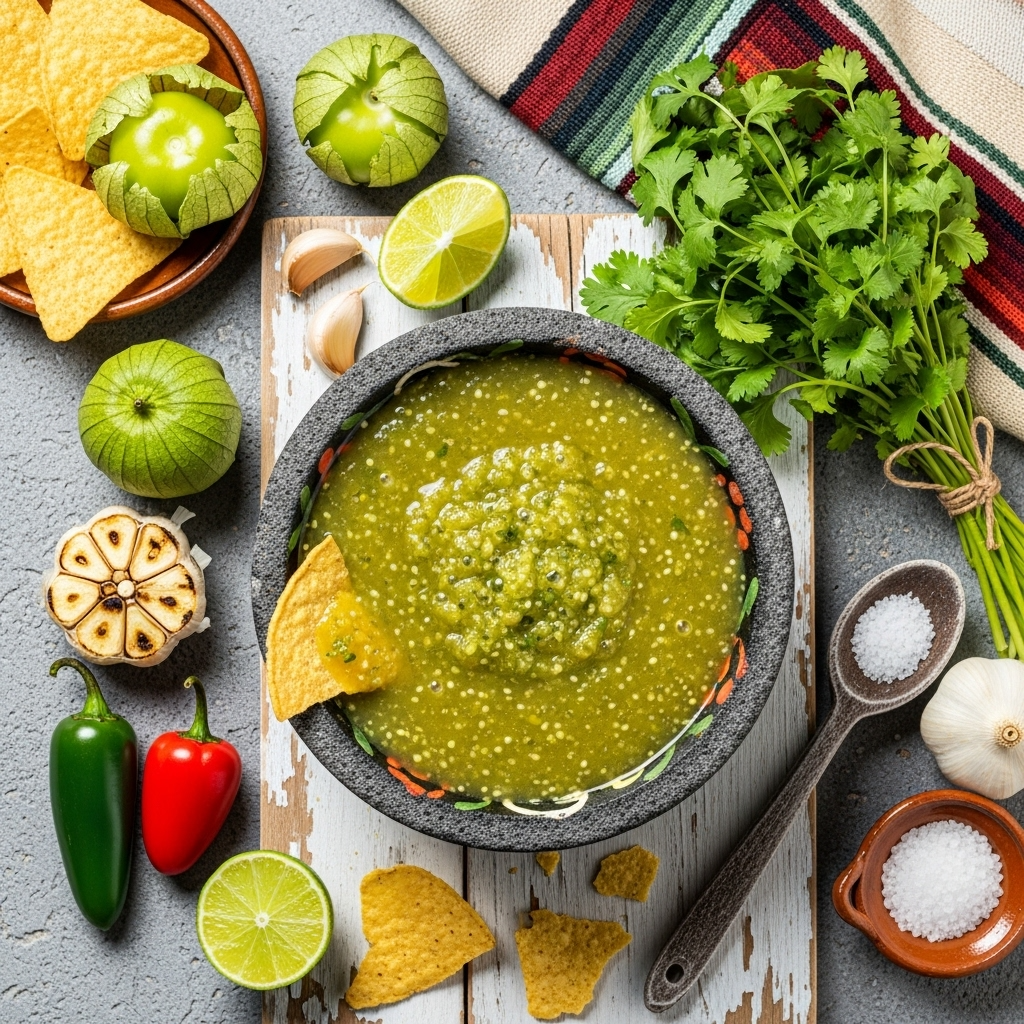
Get ready to fall in love with this authentic salsa verde recipe that brings the vibrant, tangy flavors of Mexico straight to your kitchen! This bright green salsa is made with roasted tomatillos, fresh jalapeños, cilantro, and a few simple ingredients that transform into a complex, zesty sauce that’s absolutely addictive.
Unlike red tomato-based salsas, salsa verde (which translates to “green sauce”) has a distinctive tart, slightly citrusy flavor that comes from tomatillos—those little green fruits wrapped in papery husks that you’ve probably seen at the grocery store. When roasted and blended with peppers, garlic, and cilantro, they create a sauce that’s bright, tangy, and incredibly versatile.
This homemade salsa verde is the real deal—the kind you’d find in authentic Mexican restaurants and home kitchens throughout Mexico. It’s perfect for topping tacos, enchiladas, and chilaquiles, spooning over grilled chicken or pork, using as a dip for tortilla chips, or adding to breakfast eggs and burritos. The roasting process brings out incredible depth of flavor, creating a salsa that’s smoky, tangy, and irresistibly delicious.
The best part? This restaurant-quality salsa comes together in about 30 minutes with minimal effort. Once you try homemade salsa verde, you’ll never go back to store-bought! It’s fresher, more flavorful, and you can control the heat level and texture exactly the way you like it.
History / Background
Salsa verde has deep roots in Mexican cuisine, dating back centuries to pre-Columbian times when indigenous peoples cultivated and consumed tomatillos. The word “tomatillo” comes from the Nahuatl (Aztec) word “tomatl,” and these small green fruits were a staple ingredient long before tomatoes became popular in Mexican cooking.
Tomatillos are actually not tomatoes at all, despite the similar name. They’re members of the nightshade family and are closely related to gooseberries. Native to Mexico and Central America, tomatillos have been cultivated for over 3,000 years and were an essential ingredient in Aztec cuisine. The distinctive papery husk that covers them served as natural protection, making them easy to store and transport.
Traditional Mexican salsa verde varies by region, with each area having its own preferred method and ingredient combinations. In central Mexico, particularly around Mexico City and Puebla, salsa verde is typically made with raw tomatillos for a brighter, more acidic flavor. In northern Mexico and along the border regions, roasted salsa verde is more common, as the roasting process mellows the acidity and adds smoky depth.
The practice of roasting tomatillos, peppers, and garlic before blending them became popular as a way to intensify flavors and create more complex sauces. This method, which this recipe uses, is often called “salsa verde asada” (roasted green salsa) and has become the most popular style in Mexican restaurants worldwide.
Today, salsa verde is one of the most beloved and versatile sauces in Mexican cuisine, served alongside red salsa as a standard condiment at taquerías, used as a base for countless traditional dishes, and celebrated for its bright, tangy flavor that enhances everything it touches.
Why You’ll Love This Recipe
This authentic salsa verde is about to become your new kitchen staple, and once you taste it, you’ll understand why it’s been treasured in Mexican cuisine for centuries!
The roasting process transforms simple ingredients into something extraordinary—the tomatillos become sweeter and less acidic, the jalapeños develop smoky depth, and the garlic turns mellow and almost buttery. When blended together with fresh cilantro and a squeeze of lime, the result is a sauce that’s simultaneously tangy, smoky, spicy, and fresh.
Here’s why this recipe deserves a permanent spot in your cooking routine:
- Authentic Flavor – Restaurant-quality salsa verde made the traditional Mexican way
- Quick & Easy – Ready in just 30 minutes with simple roasting and blending
- Incredibly Versatile – Works as a dip, sauce, marinade, or cooking ingredient
- Budget-Friendly – Uses affordable ingredients that go a long way
- Naturally Healthy – Low in calories, packed with vitamin C, and full of fresh ingredients
- Customizable Heat – Easily adjust spiciness to your exact preference
- Better Than Store-Bought – Fresher flavor and no preservatives or additives
- Makes a Big Batch – Perfect for meal prep and entertaining
- Freezer-Friendly – Make extra and freeze for convenient weeknight meals
- Impresses Everyone – Tastes like you spent hours in the kitchen
- Gluten-Free & Vegan – Naturally accommodates most dietary restrictions
- Pairs with Everything – Enhances Mexican dishes, grilled meats, eggs, and more
Ingredient Notes
The beauty of authentic salsa verde lies in its simple ingredient list. Here’s what you need to know:
Tomatillos – These are the star of the show! Tomatillos look like small green tomatoes wrapped in papery husks. They have a tart, slightly citrusy flavor that’s essential to authentic salsa verde. Choose firm tomatillos with tight-fitting husks. Remove the husks and rinse off the sticky residue before roasting. You cannot substitute regular green tomatoes—the flavor is completely different. Fresh tomatillos are ideal, but canned tomatillos can work in a pinch (drain them well and skip the roasting step).
Jalapeño Peppers – Provide the heat and a fresh, grassy pepper flavor. Jalapeños have moderate heat that becomes milder when roasted. For less spicy salsa, remove the seeds and membranes. For more heat, leave them in or substitute with serrano peppers. If you want a completely mild version, use poblano peppers instead.
White Onion – Adds sweetness and depth. White onions are traditional in Mexican cooking and have a sharper, cleaner flavor than yellow onions. Roasting them brings out their natural sweetness and eliminates harsh bite. You can substitute with yellow onion if needed.
Garlic – Fresh garlic cloves add essential savory depth. Roasting them transforms their sharp, pungent flavor into something mellow, sweet, and almost nutty. Don’t skip this step—raw garlic would be too harsh. Use 3-4 cloves depending on your love of garlic.
Fresh Cilantro – The herb that makes salsa verde sing! Cilantro adds bright, fresh flavor and enhances the green color. Use both the leaves and tender stems—the stems have tons of flavor. If you’re in the 10-15% of people who think cilantro tastes like soap (it’s genetic!), you can substitute with fresh parsley or Mexican oregano, though the flavor will be different.
Lime Juice – Fresh lime juice brightens all the flavors and adds essential acidity. The citrus notes complement the natural tartness of tomatillos beautifully. Always use fresh lime juice, never bottled—it makes a huge difference.
Salt – Essential for bringing out and balancing all the natural flavors. Sea salt or kosher salt work best. You’ll need to taste and adjust as every batch of tomatillos has slightly different acidity levels.
Water or Chicken Broth (optional) – Helps achieve your desired consistency. Water keeps it vegan, while chicken broth adds extra depth of flavor. Start with a small amount and add more to reach your preferred thickness.
Equipment Needed
You’ll need some basic kitchen equipment for this recipe:
- Large Baking Sheet or Sheet Pan – For roasting the vegetables
- Aluminum Foil (optional) – Makes cleanup easier
- Blender or Food Processor – Essential for creating smooth salsa. A regular blender works best for the smoothest texture, but a food processor is fine for chunkier salsa.
- Sharp Knife & Cutting Board – For prepping ingredients
- Tongs – For turning vegetables while roasting
- Measuring Cups & Spoons – For accurate measurements
- Storage Containers – Airtight glass jars or containers with lids
- Spatula – For transferring roasted vegetables to the blender
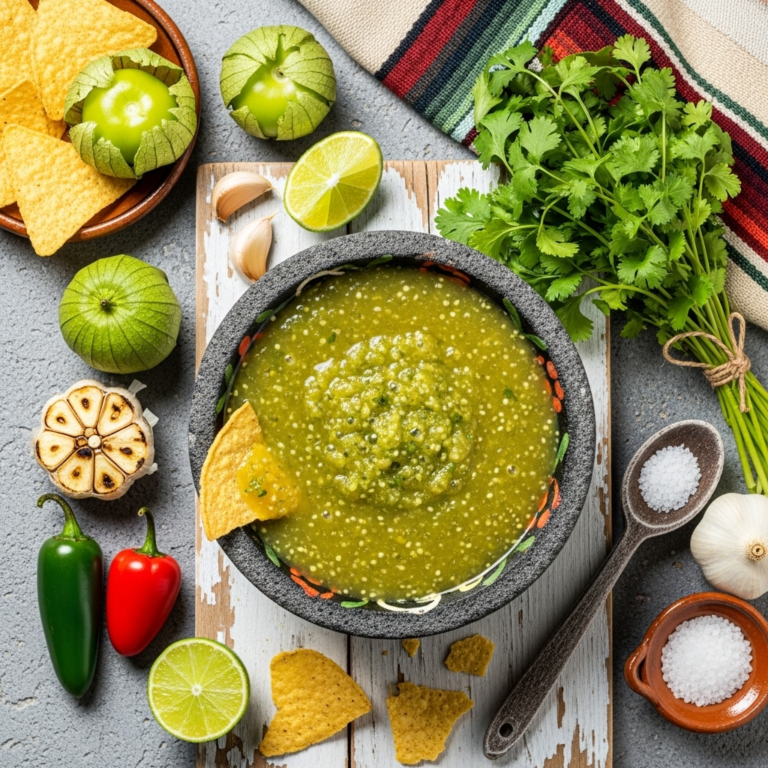
Salsa Verde Recipe
This authentic salsa verde recipe features roasted tomatillos, jalapeños, and garlic blended with fresh cilantro and lime juice for a tangy, smoky green salsa that’s perfect for tacos, chips, enchiladas, and so much more!
- Total Time: 30 minutes
- Yield: 8 servings (about 2 cups) 1x
Ingredients
- 1½ pounds fresh tomatillos (about 12-15 medium), husks removed and rinsed
- 2-3 jalapeño peppers (adjust for heat preference)
- ½ medium white onion, cut into thick slices
- 3-4 garlic cloves, unpeeled
- ½ cup fresh cilantro (leaves and tender stems)
- 2 tablespoons fresh lime juice (about 1 lime)
- 1 teaspoon salt, or to taste
- ¼ cup water or chicken broth (optional, for desired consistency)
Instructions
- Preheat and Prepare: Preheat your broiler to high or set your oven to 450°F. Line a large baking sheet with aluminum foil for easier cleanup (optional but recommended). Remove the papery husks from the tomatillos and rinse them under cold water to remove the sticky residue. Pat them dry with a paper towel.
- Arrange Vegetables for Roasting: Place the tomatillos, jalapeños, onion slices, and unpeeled garlic cloves on the prepared baking sheet in a single layer. Make sure there’s some space between items for even roasting. You don’t need to add oil—the vegetables will roast perfectly as-is.
- Roast the Vegetables: Place the baking sheet on the top rack of your oven, about 4-6 inches from the broiler. Roast for 10-12 minutes, watching carefully to prevent burning. You want the tomatillos to blister and turn olive green with charred spots, and the jalapeños should have blackened skin in several places. The exact time will depend on your broiler’s strength.
- Flip and Continue Roasting: After 10-12 minutes, use tongs to carefully flip the tomatillos, peppers, and onion pieces. Return to the oven and roast for another 8-10 minutes until the tomatillos are soft and collapsed, and all vegetables have nice charred spots. The garlic should feel soft when gently squeezed (be careful—it’s hot!). Some liquid from the tomatillos will pool on the pan—this is good! It’s full of flavor.
- Cool and Peel the Garlic: Remove the baking sheet from the oven and let the vegetables cool for about 5 minutes. Once cool enough to handle, squeeze the roasted garlic cloves out of their papery skins. They should pop right out. Discard the skins.
- Prepare the Peppers: If you want milder salsa, you can remove the stems from the jalapeños and scrape out some or all of the seeds. For spicier salsa, leave the seeds in and just remove the stems. The charred skin can stay on—it adds great smoky flavor.
- Blend the Salsa: Transfer all the roasted vegetables (including any juices from the pan—those are liquid gold!), peeled garlic, cilantro, lime juice, and salt to your blender. Blend on high speed for 30-60 seconds until you reach your desired consistency. For smooth salsa, blend longer. For chunkier salsa, pulse just a few times.
- Adjust Consistency and Seasoning: Check the thickness of your salsa. If it’s too thick, add water or chicken broth, 1-2 tablespoons at a time, and blend again until you reach your preferred consistency. Taste the salsa and adjust the seasoning—you might need more salt, lime juice, or even another pinch of cilantro. Remember that flavors will develop even more as the salsa rests.
- Rest and Develop Flavors: Transfer the salsa to a bowl or storage container and let it rest for at least 15-30 minutes before serving. This resting time allows the flavors to meld together beautifully. The salsa can be served at room temperature or chilled.
- Serve and Enjoy: Give the salsa a good stir before serving, as some separation is natural. Serve with tortilla chips, use as a taco topping, spoon over enchiladas, or use in any recipe calling for salsa verde!
Notes
- For a smokier flavor, char the vegetables under the broiler for a few extra minutes until they’re quite blackened.
- The heat level depends on the jalapeños you use—they can vary significantly! Start with 2 jalapeños and add more if you want extra heat.
- If you prefer a thinner, pourable salsa (great for enchiladas), add more liquid. For thicker dipping salsa, use less or no water.
- The salsa will thicken slightly as it cools and sits in the refrigerator.
- For the brightest green color, serve the salsa within 24 hours. Over time, it will darken to a deeper olive green, which is completely normal and doesn’t affect flavor.
- You can also make this salsa in a molcajete (traditional Mexican mortar and pestle) for an even more authentic, chunkier texture.
- Prep Time: 10 minutes
- Cook Time: 20 minutes
Nutrition
- Serving Size: ¼ cup
- Calories: 28
- Sugar: 3g
- Sodium: 298mg
- Fat: 0.5g
- Saturated Fat: 0g
- Unsaturated Fat: 0g
- Trans Fat: 0g
- Carbohydrates: 6g
- Fiber: 1g
- Protein: 0g
- Cholesterol: 0mg
Tips & Variations
This versatile salsa verde can be customized in so many delicious ways!
Spicy Salsa Verde: Use 4-5 jalapeños with seeds, add 1-2 serrano peppers, or include a small habanero for serious heat lovers. You can also add ½ teaspoon of crushed red pepper flakes.
Creamy Salsa Verde: Blend in ¼ cup of Mexican crema, sour cream, or Greek yogurt for a creamy version that’s perfect for drizzling. You can also add half an avocado for richness.
Salsa Verde with Avocado: Add one ripe avocado to the blender for a creamy, rich version that’s excellent as a dip or spread.
Extra Smoky Version: Roast the vegetables on a grill or over an open flame (like on a gas stovetop) for even more charred, smoky flavor. Some Mexican cooks char the vegetables until they’re almost black for maximum smokiness.
Salsa Verde Cruda (Raw Version): Skip the roasting entirely and blend raw tomatillos with the other ingredients for a brighter, more acidic, and fresher-tasting salsa. This version is more tart and less complex but still delicious.
Herb Variations: Add fresh Mexican oregano, epazote (if you can find it), or a handful of fresh parsley along with the cilantro for different flavor dimensions.
Fruity Twist: Add 1-2 roasted poblano peppers for a milder, slightly sweeter version, or blend in ½ cup of diced pineapple for a sweet-tangy variation.
Restaurant-Style Thinned Salsa: Add extra chicken broth or water to create a thinner, more pourable consistency perfect for enchiladas verdes or chilaquiles.
Pro Chef Tips
Take your salsa verde from good to absolutely exceptional with these professional techniques:
Don’t Skip the Roasting: The difference between raw and roasted salsa verde is dramatic. Roasting caramelizes the natural sugars in the vegetables, mellows the tomatillos’ tartness, and adds essential smoky depth. It’s what makes this salsa taste restaurant-quality.
Embrace the Char: Don’t be afraid of those blackened, blistered spots—they’re exactly what you want! The charred bits add incredible flavor. Just watch carefully to prevent actual burning, which creates bitterness.
Save That Pan Juice: The liquid that pools on your baking sheet as the tomatillos roast is pure concentrated flavor. Don’t throw it away! Pour every drop into your blender—it’s the secret to rich, complex salsa.
Roast the Garlic in Its Skin: Leaving the papery skin on prevents the garlic from burning while allowing it to steam inside its own wrapper. The result is sweet, mellow garlic that squeezes out like butter. Peeling it before roasting would result in bitter, burnt garlic.
Balance Your Acid: Tomatillos vary in tartness depending on ripeness and variety. After blending, taste your salsa—if it’s too tart, add a tiny pinch of sugar to balance it. If it’s not tangy enough, add more lime juice or even a splash of apple cider vinegar.
Let It Rest: Freshly made salsa verde tastes good, but salsa that’s rested for at least 30 minutes tastes incredible. The flavors meld, marry, and develop into something greater than the sum of their parts. If you have time, refrigerate it for a few hours or even overnight.
Control Your Consistency: Start with less liquid than you think you need. You can always thin salsa, but you can’t thicken it without diluting the flavor. Add liquid gradually, tablespoon by tablespoon, until you reach your ideal consistency.
Salt Generously: Salsa verde needs a good amount of salt to bring out all those beautiful flavors. Start with the amount in the recipe, taste, then add more if needed. Undersalted salsa tastes flat and one-dimensional.
Common Mistakes to Avoid
Even simple recipes can go wrong without proper technique. Here’s what to watch for:
Not Removing the Sticky Coating: Tomatillos are covered in a sticky, waxy residue under their husks. If you don’t rinse this off thoroughly under cold water, it can make your salsa taste slightly bitter and create an unpleasant texture. Give them a good scrub!
Under-Roasting the Vegetables: If you pull the vegetables out too early, your salsa will taste raw and overly acidic. You want the tomatillos soft, collapsed, and olive-colored with charred spots. The jalapeños should have significantly blackened skin. Don’t be timid—roast them well!
Burning the Garlic: While you want char on the other vegetables, burnt garlic is bitter and unpleasant. Keep the garlic cloves in their papery skins to protect them, and remove them if they start to blacken before the other vegetables are done.
Over-Blending: If you blend too long, heat from the blender motor can actually cook your salsa slightly, affecting the fresh flavor and bright color. Blend just until you reach your desired consistency, then stop.
Using Old or Underripe Tomatillos: Choose firm, bright green tomatillos that fill out their husks. Soft, wrinkled, or yellowing tomatillos are overripe and will create mushy, less flavorful salsa. Very small, hard tomatillos are underripe and will be too sour.
Forgetting to Adjust Seasoning: Every batch of tomatillos is slightly different in acidity and flavor. Always taste your finished salsa and adjust the salt, lime juice, and cilantro to your preference. Trust your palate!
Storage & Meal Prep
Salsa verde stores beautifully and is perfect for meal prep:
Refrigerator Storage: Store in an airtight container or glass jar in the refrigerator for up to 1 week. The salsa may darken slightly over time (from bright green to deeper olive green), which is completely normal and doesn’t affect flavor or safety. The color change is due to oxidation of the chlorophyll.
Preventing Discoloration: To minimize color change, press plastic wrap directly onto the surface of the salsa before sealing the container, which limits air exposure. Adding extra lime juice also helps maintain color.
Separation is Normal: Some liquid may separate and rise to the top as the salsa sits. Simply stir it back in before using. This is completely natural and doesn’t mean the salsa has gone bad.
Freshness Indicators: Fresh salsa verde should smell bright, tangy, and appetizing. If it develops any off odors, visible mold, or tastes fermented, discard it.
Meal Prep Tip: Make a double batch on Sunday and use it throughout the week for quick, flavorful meals. Use it on eggs for breakfast, in tacos for lunch, and as a marinade for dinner.
Make-Ahead & Freezer Notes
Make-Ahead Instructions:
Salsa verde is actually perfect for making ahead—the flavors improve with time!
- Same Day: Make the salsa in the morning or afternoon for an evening gathering. The flavors will be even better by dinnertime.
- 1-2 Days Ahead: This is actually the ideal time frame! Make your salsa 1-2 days before you need it and store it in the refrigerator. The flavors will fully develop and meld together beautifully.
- Roasted Vegetables Ahead: You can roast the vegetables up to 2 days in advance, store them in an airtight container in the refrigerator, then blend them with the fresh ingredients when you’re ready. This saves time on busy days.
Freezer Instructions:
Great news—salsa verde freezes exceptionally well!
- How to Freeze: Let the salsa cool completely, then transfer to freezer-safe containers or heavy-duty freezer bags. Leave about ½ inch of headspace for expansion. Label with the date.
- Portion Control: Freeze in various portion sizes for convenience. Ice cube trays are perfect for small portions (about 2 tablespoons per cube). Larger containers work for full batches.
- Freezer Life: Properly stored salsa verde will maintain excellent quality for up to 6 months in the freezer, though it’s safe indefinitely.
- Thawing: Thaw overnight in the refrigerator or place the sealed container in cold water for quicker thawing. Stir well after thawing, as some separation is normal. You can also add frozen salsa verde directly to hot dishes like soups or stews.
Serving Suggestions
This versatile salsa verde enhances so many dishes! Here are some delicious ways to use it:
Traditional Mexican Dishes:
- Spoon over tacos (especially carnitas, chicken, or fish tacos)
- Use as the sauce for enchiladas verdes
- Top chilaquiles for breakfast
- Serve with tamales
- Add to pozole verde
- Use in taco soup or tortilla soup
Protein Pairings:
- Grilled chicken breasts or thighs
- Pork chops or pork tenderloin
- Grilled fish (especially white fish like mahi-mahi, cod, or tilapia)
- Shrimp tacos or grilled shrimp
- Carnitas or pulled pork
- Steak or carne asada
- Grilled or roasted tofu for vegetarians
Breakfast & Brunch:
- Top scrambled eggs or omelets
- Serve with breakfast burritos
- Drizzle over huevos rancheros
- Mix into breakfast bowls with black beans and avocado
As a Dip:
- Classic tortilla chips
- Fresh vegetables
- Quesadilla wedges
- Taquitos or flautas
Creative Uses:
- Mix into rice or quinoa
- Use as a marinade for chicken or pork
- Stir into soups for extra flavor
- Use as a pizza sauce for Mexican-style pizza
- Drizzle over roasted vegetables
- Mix with sour cream for a creamy dip
- Use as a sandwich or wrap spread
Beverage Pairings:
- Mexican beer with lime
- Margaritas (on the rocks or frozen)
- Palomas
- Fresh horchata
- Jamaica agua fresca
- Mexican Coke
FAQs Section
What’s the difference between salsa verde and green salsa?
They’re the same thing! Salsa verde literally translates to “green salsa” in Spanish. It’s made primarily from tomatillos, which give it that distinctive green color and tangy flavor. This is different from green salsa made with green tomatoes or green bell peppers, which you might occasionally see but aren’t authentic Mexican salsa verde.
Can I make salsa verde without roasting the tomatillos?
Yes! This is called salsa verde cruda (raw green salsa). Simply blend raw tomatillos with the other ingredients. The flavor will be brighter, more acidic, and less complex than roasted salsa verde. It’s delicious but quite different—more tart and “green” tasting. Raw salsa verde is traditional in some regions of Mexico and is especially popular in central Mexico.
Why is my salsa verde so tart/sour?
Tomatillos are naturally tart, and sometimes they can be quite acidic depending on their ripeness and variety. To balance excessive tartness, add a small pinch of sugar (½ teaspoon at a time), increase the salt slightly, or add more onion. Roasting the tomatillos longer also helps caramelize their sugars and reduce tartness.
How can I make my salsa verde less watery?
If your salsa is too thin, try these fixes: Blend less liquid into it initially, roast the tomatillos longer to reduce their water content, drain some of the liquid from the roasting pan before blending, or let the finished salsa sit in the refrigerator for a few hours—it will thicken naturally. You can also add half an avocado to thicken it while adding creaminess.
Can I use canned tomatillos instead of fresh?
In a pinch, yes, though fresh is always better. If using canned tomatillos, drain them well and skip the roasting step since they’re already cooked. The flavor won’t be as fresh or complex, but it will still be decent salsa verde. You might want to add a bit of cumin or smoked paprika to add back some of the smoky depth you lose from not roasting.
How spicy is salsa verde?
It varies! This recipe with 2-3 jalapeños (seeds removed) creates a mild to medium salsa that most people find pleasantly spicy but not overwhelming. The roasting process mellows the peppers significantly. For milder salsa, use just one jalapeño or substitute with a poblano pepper. For spicier salsa, leave the seeds in or add serrano peppers.
What can I substitute for cilantro in salsa verde?
If you have the genetic variation that makes cilantro taste like soap, try fresh parsley (for a milder, fresher flavor) or Mexican oregano. You could also use fresh basil for a completely different but still delicious flavor profile. However, the flavor will be noticeably different from traditional salsa verde, which relies heavily on cilantro’s distinctive taste.
Conclusion
And there you have it—the ultimate authentic salsa verde recipe that’s about to transform the way you think about Mexican salsas! This roasted tomatillo salsa proves that the best flavors often come from the simplest ingredients prepared with care and traditional techniques.
The beauty of this homemade salsa verde is how it elevates absolutely everything it touches. From everyday tacos and eggs to special occasion enchiladas and grilled meats, this tangy, smoky sauce adds that perfect pop of bright, complex flavor that makes people stop mid-bite and say, “Wow, this is amazing!”
Once you experience the difference between store-bought and homemade roasted salsa verde, there’s no going back. The fresh, vibrant flavors, the smoky depth from roasting, and that perfect balance of tangy tomatillos and spicy peppers simply can’t be replicated in a jar.
I’d love to hear about your salsa verde adventures! Did you make it spicier? Use it in a creative way? Have a favorite dish to pair it with? Drop a comment below and share your experience—I read every single one and love seeing how you make this recipe your own.
If this recipe brought authentic Mexican flavors to your kitchen, please pin it to your favorite Pinterest board so you can find it again easily (and help other home cooks discover it too!). And if you’re feeling extra generous, leave a rating and review—it helps others know what to expect and truly makes my day.
Now grab some tomatillos and get ready to make the most delicious, authentic salsa verde you’ve ever tasted. Your tacos will never be the same!