Creamy Tahini Lemon Dip Recipe: Authentic Mediterranean Flavor in 10 Minutes

If you’ve been craving the bright, tangy flavors of Mediterranean cuisine, this Tahini Lemon Dip is about to become your new kitchen staple. This silky-smooth, nutty dip combines the rich earthiness of tahini with the zingy brightness of fresh lemon juice, creating a versatile sauce that works as a dip, spread, or drizzle for countless dishes.
What makes this easy tahini dip recipe so incredible? It’s ridiculously simple—just a handful of ingredients whisked together in minutes—yet it delivers restaurant-quality flavor that’ll have everyone asking for the recipe. The creamy, pourable consistency and bold Middle Eastern flavors make it perfect for dipping fresh vegetables, spreading on sandwiches and wraps, drizzling over falafel and grilled meats, or using as a salad dressing base.
I discovered this recipe during a trip to a local Mediterranean restaurant where I became obsessed with their tahini sauce. After experimenting in my own kitchen, I cracked the code to that perfect balance of nutty, tangy, garlicky goodness. Now I make a batch every week because it transforms even the simplest meals into something special. Grain bowls become restaurant-worthy, leftover roasted vegetables get a flavor upgrade, and weeknight chicken dinners suddenly taste gourmet.
This healthy tahini sauce is perfect for meal preppers, plant-based eaters, Mediterranean food lovers, or anyone looking to add bold, wholesome flavors to their cooking repertoire. It’s naturally vegan, gluten-free, and packed with nutrients from sesame seeds, making it both delicious and nourishing.
History / Background
Tahini-based sauces have been fundamental to Middle Eastern and Mediterranean cuisine for thousands of years. Tahini itself—a paste made from ground sesame seeds—dates back to ancient Persia and the Levant region, where sesame cultivation flourished. Archaeological evidence suggests sesame seeds were being pressed into paste as early as 3000 BCE, making tahini one of humanity’s oldest condiments.
The specific combination of tahini with lemon juice, garlic, and water to create a pourable sauce is deeply rooted in Levantine cuisine, particularly in countries like Lebanon, Syria, Palestine, Jordan, and Israel. In Arabic, this sauce is called “tarator” or “tahina sauce,” and it’s considered absolutely essential to the region’s culinary identity. No proper falafel sandwich, shawarma plate, or mezze spread would be complete without it.
What’s fascinating about tahini sauce is how it transforms through the addition of liquid. When you first add lemon juice to tahini, the mixture seizes up and becomes thick and grainy—almost paste-like. But as you gradually incorporate water and continue whisking, something magical happens: the sauce loosens, becomes silky smooth, and transforms into a light, creamy consistency that’s perfect for drizzling. This transformation is part of the traditional preparation ritual that home cooks in the Mediterranean have practiced for generations.
In recent years, this Mediterranean tahini dip has gained massive popularity in Western cuisine, thanks to the rise of Mediterranean diet awareness, increased interest in plant-based eating, and the global love affair with Middle Eastern flavors. Food bloggers, health enthusiasts, and home cooks have embraced tahini sauce as a versatile, nutritious alternative to cream-based sauces and dressings.
Today, you’ll find tahini sauce served in trendy grain bowl restaurants, featured in meal prep videos, and praised by nutritionists for its healthy fats, plant-based protein, and impressive mineral content. It’s proof that ancient recipes can feel completely modern and relevant.
Why You’ll Love This Recipe
This homemade tahini lemon dip checks every box for what modern home cooks are looking for in a recipe. It’s the kind of sauce that makes you feel like a culinary genius while requiring almost zero cooking skills, and it elevates everything it touches with its bold, sophisticated flavor.
Here’s why this recipe deserves a permanent spot in your weekly meal prep:
- Incredibly Quick: Ready in just 10 minutes with minimal hands-on time. No cooking required—just whisking and tasting.
- Simple Pantry Ingredients: Made with basic ingredients you can keep stocked in your pantry for months, so you can whip this up anytime.
- Naturally Plant-Based: Completely vegan, dairy-free, and egg-free, making it perfect for various dietary preferences without any special substitutions.
- Nutritional Powerhouse: Tahini is loaded with calcium, iron, magnesium, healthy fats, and plant-based protein—this is a sauce you can feel genuinely good about eating.
- Incredibly Versatile: Works as a dip, sauce, dressing, spread, or marinade base. One recipe, endless possibilities.
- Budget-Friendly: A jar of tahini goes a long way, and this recipe costs just a few dollars to make—far cheaper than buying pre-made sauces.
- Authentic Flavor: This tastes like it came from a Mediterranean restaurant, with that perfect balance of nutty, tangy, garlicky, and creamy.
- Naturally Gluten-Free: Safe for those avoiding gluten, with no modifications needed.
- Meal Prep Champion: Keeps beautifully in the fridge for up to a week, actually improving in flavor as it sits.
- Crowd-Pleaser: Even people who think they don’t like tahini fall in love with this sauce—the lemon brightness balances the earthiness perfectly.
- Customizable: Easily adjust the garlic, lemon, or consistency to match your personal preferences.
Ingredient Notes
The beauty of this classic tahini sauce recipe is its simplicity, but quality ingredients make all the difference. Let’s break down each component and why it matters:
Tahini: This is your star ingredient—a paste made from ground sesame seeds. Quality varies dramatically between brands, so choose wisely. Look for tahini that’s smooth and pourable, made from 100% hulled sesame seeds with no added oils. The best tahini has a light color (almost ivory), a slightly sweet, nutty aroma, and a creamy consistency. Brands like Soom, Seed + Mill, or Al Wadi are excellent choices. Avoid tahini that’s separated with a thick layer of oil on top—it’s either old or poor quality. Always stir your tahini thoroughly before using. Substitute: In a pinch, you can make your own by blending toasted sesame seeds with a little neutral oil, though store-bought is more convenient.
Fresh Lemon Juice: Please use fresh-squeezed lemon juice, not bottled. The bright, vibrant acidity of fresh lemon is what makes this sauce sing. You’ll need about 2-3 lemons to get ½ cup of juice. Room temperature lemons yield more juice—roll them on the counter before cutting. Substitute: Fresh lime juice works beautifully for a slightly different citrus profile.
Garlic: Fresh garlic cloves provide that characteristic Mediterranean punch. Raw garlic is traditional and gives the most authentic flavor, though it’s quite strong. Using 2-3 cloves creates a nicely garlicky sauce without overwhelming the other flavors. Substitute: For a milder version, use roasted garlic, or reduce to 1 clove. Garlic powder can work in a pinch (½ teaspoon), but fresh is vastly superior.
Water: Yes, plain water is a key ingredient! It’s what transforms thick tahini paste into a silky, pourable sauce. The amount of water affects the consistency—add more for a thinner dressing, less for a thicker dip. Cold water works best as it helps emulsify the tahini.
Salt: Essential for bringing out all the flavors and balancing the richness of tahini. Sea salt or kosher salt works best. Start with ½ teaspoon and adjust to taste.
Ground Cumin: This warm, earthy spice is optional but highly recommended. It adds an authentic Middle Eastern dimension that complements the tahini beautifully. Just a pinch makes a noticeable difference. Substitute: Omit if you prefer a simpler flavor profile, or try a tiny pinch of smoked paprika instead.
Fresh Parsley (optional garnish): Adds a pop of color and fresh, herby brightness to the finished sauce. Cilantro works too if you prefer.
Equipment Needed
One of the best aspects of this recipe is how minimal your equipment needs are. You probably have everything already:
- Medium Mixing Bowl: For whisking the ingredients together
- Whisk: A standard wire whisk is perfect for creating that smooth, creamy consistency
- Measuring Cups: For accurate ingredient proportions
- Measuring Spoons: For the smaller ingredients
- Citrus Juicer (optional but helpful): Makes squeezing lemons easier and more efficient
- Garlic Press or Microplane: For crushing or mincing the garlic finely
- Rubber Spatula: For scraping down the sides and transferring to storage
- Storage Container: A glass jar or airtight container for refrigerating
- Optional – Food Processor or Blender: For an ultra-smooth, emulsified version, though hand-whisking works perfectly well
That’s it! No special equipment, no cooking appliances, just simple mixing tools.
Print
Creamy Tahini Lemon Dip Recipe
This creamy Tahini Lemon Dip is a versatile Mediterranean sauce made with tahini, fresh lemon juice, and garlic. It’s perfect for dipping vegetables, drizzling over falafel and grilled meats, or using as a salad dressing. Ready in just 10 minutes with simple pantry ingredients.
- Total Time: 10 minutes
- Yield: 8 servings (about 1½ cups) 1x
Ingredients
- ¾ cup tahini (well-stirred)
- ½ cup fresh lemon juice (about 2-3 lemons)
- 2-3 garlic cloves, minced or pressed
- ½ cup cold water (plus more for desired consistency)
- ½ teaspoon sea salt (adjust to taste)
- ¼ teaspoon ground cumin (optional but recommended)
- 2-3 tablespoons fresh parsley, chopped (for garnish)
- Optional additions: pinch of cayenne pepper, drizzle of olive oil for serving
Instructions
- Prepare Your Ingredients: Make sure your tahini is well-stirred—give it a good mix in the jar before measuring, as the oil tends to separate. Juice your lemons and mince your garlic cloves finely.
- Start with Tahini Base: In a medium mixing bowl, add the tahini. Using your whisk, stir the tahini briefly to ensure it’s smooth and uniform in the bowl.
- Add Lemon Juice: Pour in the fresh lemon juice and immediately begin whisking. Don’t be alarmed—the mixture will seize up, become thick, grainy, and paste-like. This is completely normal and expected! Keep whisking for about 30 seconds until it’s evenly combined, even though it looks wrong at this stage.
- Incorporate Water Gradually: Start adding the cold water a few tablespoons at a time while whisking continuously. You’ll notice something magical happening—the mixture will begin to loosen, lighten in color, and transform into a smooth, creamy sauce. Continue adding water and whisking until you reach your desired consistency. For a dip, you’ll want it thicker (about ½ cup water). For a drizzling sauce or dressing, add more water (up to ¾ cup) until it’s pourable but still creamy.
- Add Seasonings: Whisk in the minced garlic, salt, and cumin (if using). Mix thoroughly until all the seasonings are evenly distributed throughout the sauce.
- Taste and Adjust: This is the most important step! Taste your tahini sauce and adjust the flavors. Need more tang? Add more lemon juice. Want it saltier? Add a pinch more salt. Too thick? Whisk in more water a tablespoon at a time. Too thin? Add a bit more tahini. The sauce should taste bright, tangy, nutty, and perfectly balanced.
- Let It Rest: If you have time, let the sauce sit for 10-15 minutes. This allows the garlic to mellow slightly and the flavors to marry together. The sauce will also thicken slightly as it rests.
- Serve: Transfer to a serving bowl, drizzle with a little olive oil if desired, sprinkle with fresh parsley, and serve with your favorite dippers or use as directed in your recipe.
Notes
- The Seizing Phenomenon: When lemon juice hits tahini, it WILL seize up into a thick paste. Don’t panic—this is chemistry at work! The water addition fixes this completely.
- Consistency Control: The amount of water determines your final consistency. Add less for a thick dip, more for a pourable sauce or salad dressing.
- Garlic Intensity: Raw garlic is potent. Start with 2 cloves if you’re garlic-shy, or use the full 3 if you love bold flavor. The garlic mellows after sitting in the fridge.
- Lemon Variation: Different lemons have different acidity levels. Start with ½ cup juice and add more to taste.
- Thickening After Refrigeration: The sauce will thicken considerably when chilled. Thin it back out with water or lemon juice as needed.
- Prep Time: 10 minutes
- Cook Time: 0 minutes
Nutrition
- Serving Size: 3 tablespoons (approximately 45g)
- Calories: 140
- Sugar: 0g
- Sodium: 150mg
- Fat: 13g
- Saturated Fat: 2g
- Unsaturated Fat: 11g
- Trans Fat: 0g
- Carbohydrates: 5g
- Fiber: 2g
- Protein: 4g
- Cholesterol: 0mg
Tips & Variations
The basic tahini lemon sauce is just the beginning. Here are some delicious ways to customize it to your taste or the dish you’re serving:
Herby Green Tahini: Add ½ cup of fresh herbs (parsley, cilantro, or dill) and blend in a food processor for a vibrant green sauce. Perfect for spring and summer dishes.
Spicy Tahini: Stir in ½ teaspoon of harissa paste, a pinch of cayenne pepper, or a few dashes of hot sauce for a spicy kick that pairs beautifully with grilled meats.
Sweet Tahini Drizzle: Reduce the garlic to 1 clove, reduce salt to ¼ teaspoon, and add 1-2 tablespoons of maple syrup or honey. This sweet version is incredible drizzled over roasted sweet potatoes or fruit.
Smoky Tahini: Add ½ teaspoon of smoked paprika and a tiny bit of liquid smoke for a campfire-inspired flavor that’s amazing with roasted vegetables.
Za’atar Tahini: Stir in 1 tablespoon of za’atar spice blend for an extra-authentic Middle Eastern flavor profile.
Creamy Tahini Dressing: Add ⅓ cup more water and 2 tablespoons of olive oil to create a thinner dressing perfect for salads. Add a teaspoon of Dijon mustard for extra emulsification.
Roasted Garlic Version: Replace raw garlic with 4-5 cloves of roasted garlic for a sweeter, mellower, more sophisticated flavor.
Ginger Tahini: Add 1 teaspoon of fresh grated ginger for an Asian-fusion twist that’s fantastic with steamed vegetables or noodle bowls.
Yogurt-Tahini Hybrid: Replace some of the water with plain Greek yogurt (about ¼ cup) for extra creaminess and tang, plus added protein.
Thicker Dip Version: Use only ¼ cup of water instead of ½ cup for an ultra-thick dip perfect for vegetables and pita chips.
Pro Chef Tips
After making hundreds of batches of tahini sauce, I’ve learned some professional tricks that take it from good to absolutely spectacular:
Whisk in One Direction: When adding the water to the seized-up tahini mixture, whisk continuously in the same circular direction. This creates a better emulsion and results in a silkier, more stable sauce that won’t separate as easily.
Ice Water Technique: For the absolute smoothest, creamiest texture, use ice-cold water. The cold temperature helps create a more stable emulsion and gives you that luxurious, almost fluffy texture.
The Garlic-Lemon Paste Method: Before adding anything to the tahini, make a paste with the minced garlic, salt, and a tablespoon of lemon juice. Mash them together with the back of a spoon. This mellows the raw garlic slightly and helps it distribute more evenly throughout the sauce.
Let It Bloom: After mixing everything together, let the sauce sit at room temperature for 15-30 minutes before serving. The flavors bloom and mellow, the garlic becomes less harsh, and the overall taste becomes more balanced and harmonious.
Tahini Quality Matters: Invest in good tahini—it’s the foundation of your sauce. Premium tahini should taste pleasantly nutty and slightly sweet, not bitter. If your tahini tastes bitter, your sauce will too. Store tahini in the refrigerator after opening to prevent rancidity.
Adjust by Purpose: Make your sauce slightly thicker than you think you need if using it as a dip (it will thin when people start dipping). Make it thinner if using as a sauce over hot foods (heat will thicken it slightly).
The Two-Stage Water Addition: Add water in two stages—first add just enough to loosen the seized mixture (about 3-4 tablespoons), whisk until smooth, then gradually add the remaining water. This technique gives you more control over the final consistency.
Acidulate Your Garlic: If you want raw garlic flavor without the harsh bite, mix your minced garlic with lemon juice and let it sit for 5 minutes before adding to the tahini. The acid “cooks” the garlic slightly, mellowing its intensity.
Common Mistakes to Avoid
Even with such a straightforward recipe, there are several pitfalls that can affect your results. Here’s what to watch for:
Panicking When It Seizes: The number one mistake is giving up when the tahini seizes into a thick, grainy paste after adding lemon juice. This is supposed to happen! It’s part of the process. Don’t add more tahini or try to fix it at this stage—just keep going and add the water as directed.
Using Old or Rancid Tahini: Tahini can go rancid, especially if stored improperly or kept too long. Rancid tahini tastes bitter and unpleasant, and no amount of lemon or garlic can fix it. Always smell and taste your tahini before using—it should smell nutty and pleasant, not paint-like or bitter.
Not Whisking Enough: A half-hearted stir won’t create the proper emulsion. You need to whisk vigorously, especially when adding the water, to achieve that smooth, creamy consistency. If you’re not whisking enough, the sauce will remain grainy or separated.
Adding All the Water at Once: Dumping all the water in at once can result in a sauce that’s too thin and doesn’t properly emulsify. Add it gradually, a few tablespoons at a time, whisking between additions. This gives you much better control over the final consistency.
Too Much Garlic: Raw garlic is powerful stuff. What tastes like just-right garlic when you first make the sauce can become overwhelming after sitting in the fridge overnight. Start conservative—you can always add more, but you can’t take it out.
Bottled Lemon Juice: Please don’t use bottled lemon juice. The flavor is flat, artificial, and won’t give you that bright, fresh taste that makes this sauce special. Fresh lemon juice is non-negotiable for the best results.
Not Tasting and Adjusting: Everyone’s taste preferences are different, and lemon acidity varies. Always taste your sauce before serving and adjust the seasoning. It should taste vibrant and balanced, not bland or one-dimensional.
Storage & Meal Prep
This make-ahead tahini sauce is a meal prepper’s dream—it keeps beautifully and actually improves with time as the flavors develop. Here’s everything you need to know:
Refrigerator Storage: Store your tahini lemon dip in an airtight container or glass jar in the refrigerator for up to 7-10 days. Glass containers are ideal because they don’t absorb odors or stains. Make sure the lid is tightly sealed.
Thickening in the Fridge: The sauce will thighten significantly as it chills—this is completely normal. The sesame oil in tahini solidifies slightly when cold. Simply stir in water or lemon juice, a tablespoon at a time, until you reach your desired consistency again. Some people keep a small jar of water next to their tahini sauce in the fridge for easy thinning.
Surface Protection: If you’re storing for several days, press a piece of plastic wrap directly onto the surface of the sauce before sealing the container. This prevents a skin from forming and protects against oxidation.
Separation is Normal: You might notice a tiny bit of separation after a few days. This is natural—just give it a good stir before using and it’ll come right back together.
Meal Prep Strategy: I make a double batch every Sunday and use it throughout the week for various meals—as a salad dressing Monday, a veggie dip Tuesday, a falafel sauce Wednesday, and a grain bowl topping the rest of the week. Having this sauce ready to go makes healthy eating so much easier.
Portioning: Consider storing some in a squeeze bottle for easy drizzling, and keeping the rest in a jar for dipping. The squeeze bottle makes adding tahini sauce to bowls and wraps incredibly convenient.
Freezing Not Recommended: While technically you can freeze tahini sauce, I don’t recommend it. The texture changes significantly upon thawing, becoming grainy and separated. It’s better to make smaller batches more frequently.
Make-Ahead & Freezer Notes
Make-Ahead Instructions: This sauce is actually better when made ahead! Prepare it 1-2 days in advance and store in the refrigerator. The flavors meld together beautifully, the garlic mellows just slightly, and the overall taste becomes more cohesive and balanced. Just remember to thin it with a bit of water before serving since it will thicken in the fridge.
Day-Of Preparation: If you’re making this the same day you’re serving it, try to prepare it at least 2-3 hours in advance and let it sit at room temperature for 30 minutes, then refrigerate. Even this short resting period improves the flavor significantly.
Freezing Reality Check: While tahini sauce can technically be frozen for up to 2 months, the results aren’t ideal. Tahini’s natural oils and the emulsion you’ve created don’t freeze and thaw gracefully. Upon thawing, the sauce typically separates, becomes grainy, and loses its silky texture. You can try to re-emulsify it with a blender, but it’s never quite the same.
If You Must Freeze: If you absolutely need to freeze it, do so in small portions (ice cube trays work well for this). Thaw overnight in the refrigerator, then transfer to a blender or food processor with a tablespoon or two of fresh lemon juice and blend on high for 30-60 seconds to re-emulsify. It won’t be perfect, but this method gives you the best chance of salvaging the texture.
Better Alternative: Since this sauce comes together so quickly, I recommend simply making fresh batches more frequently rather than freezing. With a 10-minute prep time and ingredients that keep for months in the pantry, fresh is always better.
Pre-Measuring Hack: If you want to save time during busy weeks, pre-measure your tahini, lemon juice, and water into separate containers and store them in the fridge. When you need fresh tahini sauce, just combine and whisk—takes only 3 minutes!
Serving Suggestions
The versatility of this creamy tahini lemon dip is truly remarkable. Here are my favorite ways to use it, tested and loved in my own kitchen:
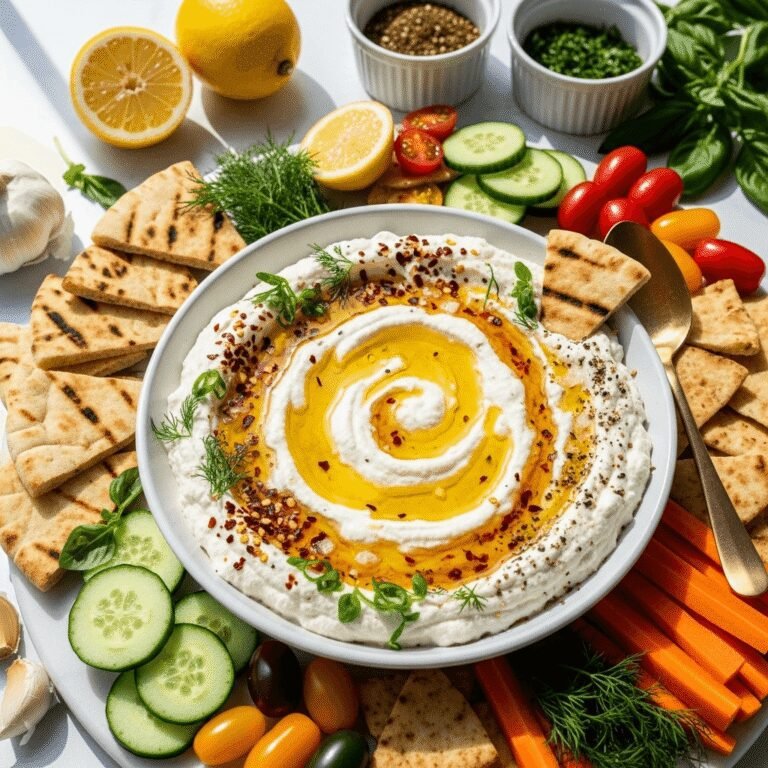
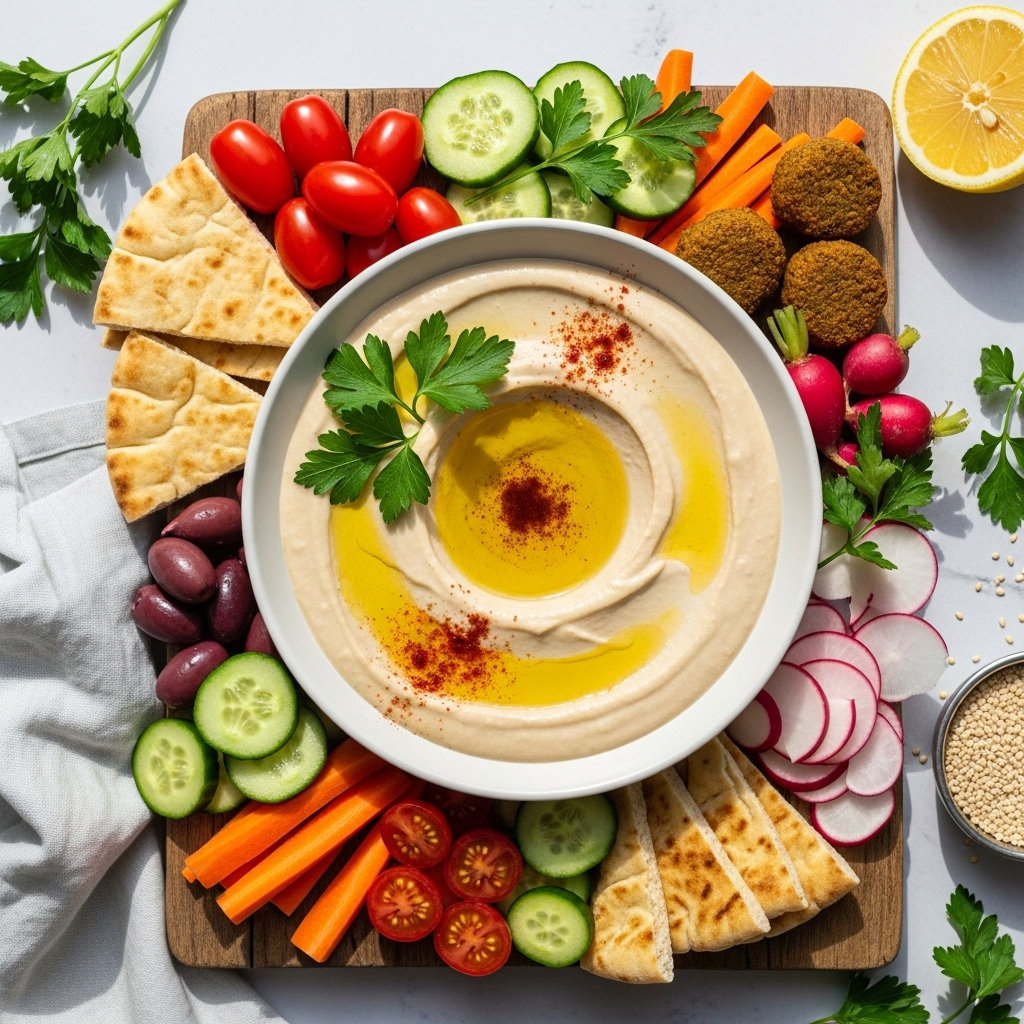
Classic Mediterranean Mezze: Serve in a shallow bowl as part of a mezze platter alongside hummus, baba ganoush, falafel, warm pita bread, olives, cucumber slices, cherry tomatoes, and pickled vegetables. Drizzle with olive oil and sprinkle with paprika and fresh parsley.
Grain Bowl Drizzle: This is my absolute favorite use. Drizzle generously over Buddha bowls, quinoa bowls, or rice bowls with roasted vegetables, chickpeas, and greens. It ties all the elements together beautifully.
Shawarma and Gyro Sauce: The traditional accompaniment to chicken shawarma, lamb gyros, or falafel wraps. Spread it inside pita bread or drizzle over the top.
Roasted Vegetable Companion: Pour over roasted cauliflower, sweet potatoes, Brussels sprouts, carrots, or eggplant. The creamy sauce complements caramelized vegetables perfectly.
Salad Dressing: Thin it out with extra water or lemon juice and use as a salad dressing. It’s especially good on kale salad, fattoush, or simple green salads with cucumber and tomato.
Grilled Protein Sauce: Drizzle over grilled chicken, lamb chops, fish (especially salmon), or steak. The tangy sauce cuts through rich, fatty meats beautifully.
Sandwich and Wrap Spread: Use instead of mayo or mustard in sandwiches and wraps. It’s particularly good with roasted vegetables, grilled chicken, or falafel.
Dipping Station: Set out as a dip for fresh vegetables (carrots, celery, bell peppers, cucumber, radishes), pita chips, pretzels, or even French fries for a Middle Eastern twist.
Breakfast Applications: Drizzle over shakshuka, spread on toast with sliced avocado and tomatoes, or dollop onto savory breakfast bowls with eggs and roasted tomatoes.
Noodle and Rice Dishes: Use as a sauce for cold noodle salads, mix into warm rice, or toss with soba noodles and vegetables for an Asian-Mediterranean fusion.
Party Platter: Create a beautiful platter with the tahini sauce as the centerpiece, surrounded by an array of colorful dippers—perfect for entertaining.
FAQs Section
Why did my tahini sauce seize up and become thick when I added lemon juice?
This is completely normal and part of the process! When acid (lemon juice) meets tahini, it causes the proteins to tighten and the mixture to seize into a thick paste. Don’t worry—this is temporary. As soon as you start adding water and whisking, the mixture will loosen and transform into a smooth, creamy sauce. This is chemistry working exactly as it should. Just keep whisking and adding water gradually.
How do I fix tahini sauce that’s too thick or too thin?
Too thick? Simply whisk in cold water or lemon juice, one tablespoon at a time, until you reach your desired consistency. Too thin? Whisk in more tahini, one tablespoon at a time, or let it sit in the fridge where it will thicken naturally. The beauty of this sauce is that it’s easily adjustable at any stage.
Can I make this tahini sauce without garlic?
Absolutely! While garlic is traditional and adds wonderful flavor, you can omit it entirely for a milder sauce. The tahini and lemon will still create a delicious, versatile sauce. Alternatively, try roasted garlic for a sweeter, less pungent flavor, or use just a small amount of garlic powder (about ¼ teaspoon).
Is tahini sauce healthy?
Yes! Tahini is incredibly nutritious, packed with healthy unsaturated fats, plant-based protein, calcium, iron, magnesium, and B vitamins. It’s naturally vegan and gluten-free. While it’s calorie-dense due to the healthy fats, these fats are beneficial for heart health and help with nutrient absorption. It’s a much healthier choice than cream-based sauces or store-bought dressings loaded with preservatives.
What’s the difference between tahini sauce and hummus?
While both contain tahini, they’re quite different. Hummus is a thick dip made primarily from chickpeas blended with tahini, lemon, and garlic. Tahini sauce is a thinner, pourable sauce made primarily from tahini itself, without any chickpeas. Tahini sauce is more versatile as a drizzling sauce and dressing, while hummus is better as a thick dip or spread.
My tahini sauce tastes bitter—what went wrong?
Bitterness usually comes from poor-quality or rancid tahini. Tahini can go bad, especially if stored at room temperature or kept past its prime. Check your tahini—if it smells paint-like or tastes bitter on its own, that’s your problem. Invest in fresh, high-quality tahini and store it in the refrigerator after opening. Also, make sure you’re using fresh lemon juice, not bottled, as bottled can sometimes have a bitter aftertaste.
Can I use lime instead of lemon?
Yes! Lime juice works beautifully and creates a slightly different but equally delicious flavor profile. The sauce will have a more tropical, slightly less sharp taste. Use the same amount of fresh lime juice as you would lemon juice. This lime variation is particularly good with Mexican or Asian-fusion dishes.
Why does my tahini sauce separate after sitting in the fridge?
Slight separation is normal, especially with natural tahini that doesn’t contain stabilizers or emulsifiers. The oils naturally separate from the solids when cold. This is completely fine and not a sign that anything’s wrong. Simply give the sauce a good stir before using and it will come right back together. If it seems very separated, you can blend it briefly in a blender to re-emulsify.
Conclusion
And there you have it—the ultimate guide to making authentic, restaurant-quality Tahini Lemon Dip right in your own kitchen! This simple yet sophisticated sauce proves that you don’t need complicated techniques or exotic ingredients to create something truly special. With just a few pantry staples and 10 minutes of whisking, you can have a versatile, nutritious sauce that transforms ordinary meals into extraordinary experiences.
What I love most about this Mediterranean tahini sauce is its incredible versatility. It works equally well as a dip, dressing, spread, or drizzle, adapting seamlessly to breakfast, lunch, dinner, or snacks. Whether you’re dressing up a simple grain bowl, creating an impressive mezze platter, or just looking for a healthier alternative to mayo, this sauce delivers every single time.
The rich, nutty flavor of tahini balanced with bright lemon and aromatic garlic creates a taste that’s both comforting and exciting—familiar enough to feel accessible, but exotic enough to feel special. And knowing that each creamy spoonful is packed with healthy fats, plant-based protein, and essential minerals makes it taste even better.
I’d absolutely love to hear about your tahini sauce adventures! Did you try any of the variations? What’s your favorite way to use it? Drop a comment below and let me know how it turned out. If you loved this recipe, please rate it and share your feedback—it helps other home cooks discover this amazing sauce too.
Don’t forget to pin this recipe to your Pinterest boards! Save it to your “Mediterranean Recipes,” “Healthy Sauces,” “Meal Prep Ideas,” or “Vegan Recipes” boards so you can find it whenever you need it. Trust me, you’ll be making this over and over again.
If you enjoyed this recipe, be sure to explore our other Mediterranean-inspired dishes and healthy sauce recipes. Subscribe to our newsletter for weekly recipe inspiration delivered straight to your inbox!
Now grab that jar of tahini and get whisking—your new favorite sauce is just minutes away. Here’s to delicious, healthy eating made simple!