Easy Falafel Hummus Wrap Recipe (Mediterranean Lunch Perfection!)

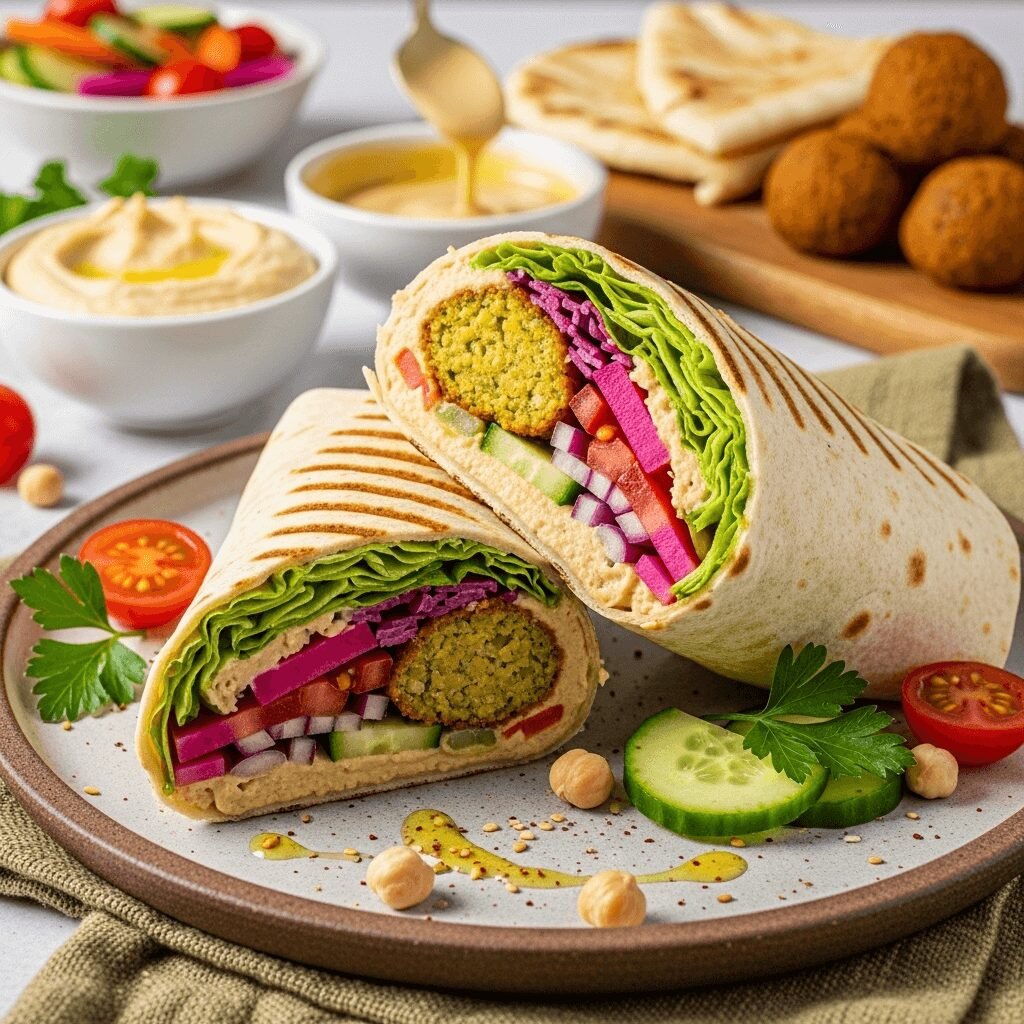
Get ready to fall in love with this Easy Falafel Hummus Wrap Recipe—a flavor-packed Mediterranean lunch that’s as satisfying as it is nutritious! These vegetarian falafel wraps are loaded with crispy, golden falafel balls, creamy hummus, fresh crunchy vegetables, tangy pickles, and a drizzle of tahini sauce, all wrapped up in a soft, warm pita or tortilla. It’s the perfect combination of textures and flavors that’ll transport you straight to the streets of the Middle East with every delicious bite.
This Mediterranean falafel wrap has become a Pinterest sensation and plant-based favorite because it delivers restaurant-quality flavor that’s surprisingly easy to recreate at home. Whether you’re using store-bought falafel to save time or making your own from scratch, this recipe is incredibly flexible and perfect for busy weeknights, meal prep, or casual weekend lunches. The best part? It’s naturally vegetarian and can easily be made vegan!
These wraps are ideal for so many occasions: quick weeknight dinners, healthy meal prep lunches, Meatless Monday celebrations, casual gatherings, picnics, or post-workout meals. The combination of plant-based protein from chickpeas, healthy fats from tahini, and fresh vegetables makes this falafel wrap recipe both nourishing and incredibly satisfying. Whether you’re fully plant-based, trying to eat more vegetables, or simply looking for a delicious lunch option that happens to be vegetarian, this easy falafel wrap delivers on every level!
History / Background
Falafel is one of the Middle East’s most beloved and iconic street foods, with a rich history that spans centuries and crosses multiple cultural boundaries. The origin of falafel is hotly debated, with both Egypt and the Levant region (including modern-day Lebanon, Syria, Palestine, and Israel) claiming its invention.
The Egyptian claim suggests that falafel—or ta’ameya as it’s called in Egypt—dates back to the time of the Pharaohs or possibly to Coptic Christians who created it as a meat substitute during Lent. The original Egyptian version was made with fava beans rather than chickpeas and had a distinct flavor profile.
The Levantine version, which is more commonly recognized today, uses chickpeas as the primary ingredient and includes a different blend of herbs and spices, particularly abundant fresh parsley and cilantro. This version likely developed among Arab communities in the Levant region and became a staple food throughout the Middle East.
Regardless of its exact origin, falafel has been a cornerstone of Middle Eastern cuisine for generations, traditionally sold by street vendors and small shops as an affordable, protein-rich food accessible to everyone. The falafel balls would be freshly fried to order and served in pita bread with tahini sauce, pickled vegetables, and fresh salad—creating a complete, balanced meal that was both filling and nutritious.
The wrap format we know and love today is actually a more modern adaptation that gained popularity as Middle Eastern cuisine spread globally, particularly in the late 20th century. As falafel shops opened across Europe, North America, and Australia, the concept evolved to accommodate Western eating habits and preferences. The “wrap” version—using larger flatbreads or tortillas instead of small pita pockets—made the dish easier to eat on the go and allowed for more generous portions of vegetables and sauces.
Hummus, while a separate dish with its own ancient history dating back to at least 13th century Egypt, became an essential companion to falafel somewhere along the way. The creamy, tangy chickpea spread provides moisture, flavor, and additional protein, creating the perfect complement to the crispy falafel balls.
Today, this easy falafel hummus wrap represents the beautiful globalization of Middle Eastern cuisine. It honors traditional flavors and ingredients while adapting to modern convenience and dietary preferences. The recipe has become especially popular among vegetarians, vegans, and health-conscious eaters looking for plant-based protein options that don’t sacrifice flavor. What was once a regional street food has become a global phenomenon, beloved from New York to London to Sydney, and now, in home kitchens across America thanks to Pinterest and food blogs.
Why You’ll Love This Recipe
This Mediterranean falafel wrap is about to become your new favorite lunch, and here’s why: it delivers bold, exotic flavors with a satisfying combination of crispy, creamy, fresh, and tangy elements in every bite. These vegetarian falafel wraps prove that plant-based eating can be absolutely delicious, filling, and exciting—never boring!
Here’s what makes this recipe absolutely irresistible:
- Incredibly satisfying – The combination of protein, healthy fats, and fiber keeps you full for hours
- Naturally vegetarian and easily vegan – Perfect for plant-based diets without any modifications
- Quick and easy – Ready in 20 minutes using store-bought falafel, even faster with leftovers
- Meal prep champion – Components store beautifully for assembling fresh wraps all week
- Budget-friendly – Uses affordable ingredients like chickpeas, vegetables, and simple pantry staples
- Packed with nutrients – Loaded with plant-based protein, fiber, vitamins, and minerals
- Customizable – Easily adjust vegetables, sauces, and spice levels to your preferences
- Kid-friendly – Even picky eaters love these colorful, flavorful wraps
- Restaurant-quality at home – Tastes just like your favorite Mediterranean restaurant
- Lunchbox winner – Travels well and stays fresh for packed lunches
- Crowd-pleaser – Perfect for serving mixed groups with different dietary preferences
- No boring salads – All the health benefits with way more flavor and satisfaction
Ingredient Notes
Let’s break down what you’ll need for these delicious falafel hummus wraps and why each component matters:
Falafel – The star of the show! You can use store-bought frozen falafel (bake according to package directions), prepared falafel from a restaurant or deli, or make your own from scratch. You’ll need about 12-16 falafel balls for 4 wraps. Homemade falafel uses dried chickpeas (never canned—they’re too wet), fresh herbs, onion, garlic, and spices. Time-saver tip: Store-bought falafel is absolutely fine and saves tons of time! Note: Falafel should be crispy on the outside and tender on the inside.
Hummus – This creamy chickpea spread adds moisture, richness, and protein. Classic hummus is made from chickpeas, tahini, lemon juice, garlic, and olive oil. Store-bought works perfectly—choose plain or flavored varieties like roasted red pepper or garlic. You’ll need about ½ cup per wrap. Quality matters: Choose a smooth, creamy hummus rather than grainy varieties. Substitution: Baba ganoush (eggplant dip) or white bean spread work well.
Flatbread/Wraps – Large flour tortillas, whole wheat wraps, pita bread, or authentic Middle Eastern lavash all work beautifully. Look for wraps that are 10-12 inches in diameter. Whole wheat adds fiber and nutrients. Pro tip: Warm your wraps slightly for better flexibility and flavor. Substitution: For low-carb, use large lettuce leaves or low-carb tortillas.
Tahini Sauce – This sesame seed paste mixed with lemon juice, garlic, and water creates a creamy, nutty drizzle that’s essential to authentic falafel wraps. You can make it from tahini paste or buy ready-made tahini sauce. Important: This is different from plain tahini—it’s thinned and seasoned. Substitution: Greek yogurt sauce or tzatziki for non-vegan options.
Lettuce – Adds essential crunch and freshness. Romaine lettuce is ideal for its crispness and sturdy leaves, but iceberg, butter lettuce, or mixed greens all work. Shredded is easiest. About 1 cup per wrap. Why it matters: The cool, crisp lettuce balances the warm, spiced falafel perfectly.
Tomatoes – Fresh, diced tomatoes add juiciness and brightness. Roma tomatoes work great because they’re less watery. About ¼ cup per wrap. Cherry tomatoes, halved, are also excellent. Tip: If tomatoes are very juicy, remove some seeds to prevent soggy wraps.
Cucumber – Adds refreshing crunch and cool flavor. English cucumbers are best (fewer seeds, less watery). Dice or slice thinly. About ¼ cup per wrap. Traditional touch: In the Middle East, pickled cucumbers are often used instead of or alongside fresh.
Red Onion – Thinly sliced red onion adds sharpness and bite. About 2 tablespoons per wrap. Pro tip: Soak sliced onions in cold water for 10 minutes to mellow the harsh raw onion flavor. Substitution: Pickled red onions are even better!
Pickles/Pickled Vegetables – Traditional Middle Eastern pickled turnips (bright pink!), pickled cucumbers, or other pickled vegetables add that essential tangy, briny punch. These are not optional in authentic versions! Find them: Look in Middle Eastern grocery stores or international aisles.
Fresh Herbs – Fresh parsley, cilantro, or mint add brightness and authentic flavor. About 2 tablespoons per wrap. Cultural note: Parsley is traditional in Levantine cuisine.
Optional Add-ins – Hot sauce, sumac (tangy Middle Eastern spice), olives, feta cheese (if not vegan), roasted red peppers, or fried eggplant.
Equipment Needed
This recipe requires minimal equipment, making it perfect for any kitchen:
- Baking sheet – For heating store-bought falafel (if using)
- Large mixing bowl – If making falafel from scratch
- Food processor – Essential for homemade falafel
- Medium skillet – For warming wraps
- Sharp knife – For chopping vegetables
- Cutting board – For prep work
- Measuring cups and spoons – For accurate portions
- Small bowl – For mixing tahini sauce if making your own
Optional but helpful:
- Mandoline – For uniformly thin-sliced vegetables
- Frying pan – If frying falafel instead of baking
- Parchment paper – For easier cleanup when baking falafel
- Toothpicks – To secure wraps for serving or packing
Falafel Hummus Wrap Recipe
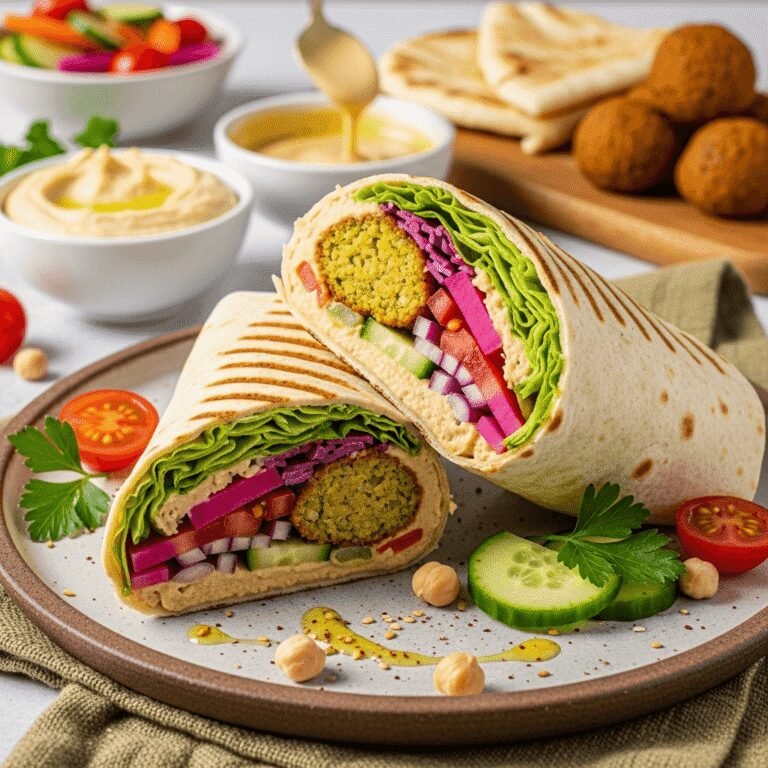
This Easy Falafel Hummus Wrap Recipe features crispy falafel, creamy hummus, fresh vegetables, tangy pickles, and tahini sauce wrapped in soft flatbread. These Mediterranean falafel wraps are perfect for quick lunches, meal prep, or healthy dinners—naturally vegetarian and incredibly delicious!
- Total Time: 20 minutes
- Yield: 4 wraps (serves 4) 1x
Ingredients
For the Wraps:
- 12-16 falafel balls (store-bought or homemade)
- 4 large flour tortillas or flatbreads (10-12 inch)
- 2 cups hummus (about ½ cup per wrap)
- ½ cup tahini sauce (store-bought or homemade)
- 2 cups romaine lettuce, shredded
- 2 medium tomatoes, diced (about 1½ cups)
- 1 large cucumber, diced (about 1 cup)
- ½ medium red onion, thinly sliced
- ½ cup pickled turnips or pickled cucumbers, sliced
- ¼ cup fresh parsley, chopped
- ¼ cup fresh cilantro or mint, chopped (optional)
For Homemade Tahini Sauce (optional):
- ¼ cup tahini paste
- 3 tablespoons lemon juice (about 1 lemon)
- 1 garlic clove, minced
- ¼ cup water (more to thin)
- ¼ teaspoon salt
- Pinch of cumin
Optional Toppings:
- Hot sauce or sriracha
- Sumac
- Crumbled feta cheese (omit for vegan)
- Olives
- Roasted red peppers
Instructions
Step 1: Prepare the Falafel
If using store-bought frozen falafel, bake according to package directions until crispy and golden (usually 15-20 minutes at 375°F). If using fresh falafel from a restaurant or homemade falafel, ensure they’re heated through and crispy. Set aside and keep warm. You’ll need 3-4 falafel balls per wrap.
Step 2: Make the Tahini Sauce (if making homemade)
In a small bowl, whisk together tahini paste, lemon juice, minced garlic, and salt. The mixture will seize up and become thick—this is normal! Gradually whisk in water, one tablespoon at a time, until you achieve a pourable but creamy consistency similar to ranch dressing. Taste and adjust seasoning with more lemon juice or salt if needed. Set aside.
Step 3: Prep Your Vegetables
While falafel is cooking, prepare all your vegetables. Shred the lettuce, dice the tomatoes and cucumber, thinly slice the red onion (soak in cold water for 10 minutes if desired to mellow the flavor, then drain), slice pickles, and chop fresh herbs. Having everything prepped and ready makes assembly quick and easy.
Step 4: Warm the Wraps
Heat a dry skillet over medium heat. Warm each flatbread or tortilla for 15-20 seconds per side until soft and pliable. This step is important—it makes the wraps easier to fold and enhances their flavor. Alternatively, wrap in a damp paper towel and microwave for 15 seconds.
Step 5: Assemble the Wraps
Lay one warmed wrap flat on a clean surface. Spread ½ cup of hummus in a thick line down the center of the wrap, leaving about 2 inches from the edges. Place 3-4 falafel balls on top of the hummus, gently pressing them down to flatten slightly (this makes wrapping easier). Top with ½ cup shredded lettuce, ¼ cup diced tomatoes, ¼ cup diced cucumber, a few slices of red onion, and 2 tablespoons of pickles. Sprinkle with fresh herbs. Drizzle 2 tablespoons of tahini sauce over everything.
Step 6: Fold the Wrap
To fold: First, fold the bottom edge of the wrap up about 2 inches over the filling. Then fold both sides toward the center, overlapping slightly. Finally, roll tightly from the bottom up, keeping the sides tucked in as you roll. The hummus acts as “glue” to help seal the wrap. The result should be a tightly wrapped burrito-style package with filling completely enclosed.
Step 7: Optional – Grill the Wrap
For extra deliciousness, place the wrapped falafel seam-side down in a hot skillet or panini press and cook for 2-3 minutes per side until golden and slightly crispy with grill marks. This is optional but creates an amazing texture contrast!
Step 8: Slice and Serve
Cut each falafel hummus wrap in half diagonally for easier eating and prettier presentation. Serve immediately with extra tahini sauce and hot sauce on the side. Enjoy while the falafel is still warm and crispy!
Notes
- Falafel Options: Store-bought frozen falafel is the ultimate time-saver and works beautifully. Look for brands like Trader Joe’s, Ziyad, or Afia.
- Hummus Spread: Don’t skimp on the hummus—it provides essential moisture and creaminess that ties everything together.
- Preventing Soggy Wraps: Make sure vegetables are dry before assembling. For meal prep, pack wet ingredients separately.
- Wrap Size: Large 10-12 inch wraps work best. Smaller wraps are harder to fold and hold less filling.
- Vegan Version: Use tahini sauce instead of yogurt-based sauces and ensure your wrap doesn’t contain dairy.
- Make It Spicy: Add sliced jalapeños, hot sauce, or spicy harissa paste for heat.
- Storage: Assembled wraps are best eaten fresh but can be wrapped tightly and refrigerated for up to 6 hours.
- Prep Time: 15 minutes
- Cook Time: 5 minutes
- Category: Lunch
- Method: Baking
- Cuisine: Mediterranean
- Diet: Vegetarian
Nutrition
- Serving Size: 1 wrap
- Calories: 485
- Sugar: 8g
- Sodium: 890mg
- Fat: 15g
- Saturated Fat: 3g
- Unsaturated Fat: 15g
- Trans Fat: 0g
- Carbohydrates: 62g
- Fiber: 2g
- Protein: 18g
- Cholesterol: 0mg
Tips & Variations
Crispy Grilled Falafel Wraps:
After assembling your wraps, brush the outside lightly with olive oil and grill in a panini press or skillet until golden and crispy with beautiful grill marks. The wrap gets crunchy while warming everything inside perfectly!
Greek-Style Falafel Wrap:
Add crumbled feta cheese, Kalamata olives, and replace the tahini sauce with tzatziki (Greek yogurt cucumber sauce) for a Mediterranean fusion that’s absolutely delicious.
Spicy Harissa Falafel Wrap:
Mix harissa paste (North African chili paste) into your hummus or drizzle it over the vegetables for a spicy, smoky kick. Add pickled jalapeños for extra heat.
Rainbow Veggie Version:
Add shredded purple cabbage, grated carrots, roasted red peppers, and beets for a colorful, nutrient-packed wrap that’s as beautiful as it is delicious.
Loaded Falafel Wrap:
Add fried eggplant slices, roasted cauliflower, French fries (yes, really—it’s traditional!), or grilled halloumi cheese for an ultra-indulgent version.
Gluten-Free Falafel Wrap:
Use gluten-free wraps or large lettuce leaves instead of flour tortillas. Make sure your falafel is also gluten-free (most traditional recipes are).
Falafel Bowl Instead of Wrap:
Can’t find good wraps? Layer all ingredients in a bowl over rice, quinoa, or mixed greens for a deconstructed falafel bowl that’s equally delicious and easier to meal prep.
Green Goddess Wrap:
Add avocado slices, extra fresh herbs, and replace red onion with thinly sliced fennel for a fresh, green-focused version.
Pro Chef Tips
The Texture Secret: The key to a great falafel wrap is contrast—crispy falafel, creamy hummus, crunchy vegetables. Make sure your falafel stays crispy by not assembling the wrap until right before serving, or if meal prepping, store components separately.
Hummus as Glue: Spread hummus all the way to the edges of your wrap, not just in the center. This creates a moisture barrier that prevents the wrap from getting soggy and helps seal the edges when you fold.
The Falafel Smash: Gently press down on the falafel balls before wrapping to flatten them slightly. This makes rolling much easier and ensures they don’t roll out of the wrap when you bite into it.
Pickle Power: Don’t skip the pickled vegetables! They’re not just a garnish—they provide essential acidity and brightness that balances the richness of the hummus and falafel. The tangy, briny flavor is what makes this taste authentic.
Layer Strategically: Place lettuce and cucumbers directly on the hummus, then add falafel, then other wet ingredients like tomatoes on top. This layering prevents the wrap from getting soggy from the bottom.
Temperature Contrast: Serve warm falafel with cool, crisp vegetables for the best eating experience. This temperature contrast is one of the reasons these wraps are so satisfying.
The Tight Roll Technique: Pull and tighten as you roll, compressing all the ingredients together. A tightly rolled wrap holds together much better and is easier to eat without everything falling out.
Fresh Herbs are Essential: Don’t treat fresh herbs as optional—parsley and cilantro add authentic Middle Eastern flavor that dried herbs simply cannot replicate. They’re essential to the taste profile.
Common Mistakes to Avoid
Using Canned Chickpeas for Homemade Falafel: If making falafel from scratch, you MUST use dried chickpeas that have been soaked, never canned. Canned chickpeas are too wet and will result in falafel that falls apart and doesn’t crisp up properly.
Overfilling the Wrap: Just like with any wrap, too much filling makes it impossible to fold and eat without everything falling out. Stick to the recommended amounts—you can always make another wrap!
Cold Wraps: Room temperature or slightly warm wraps are much more pliable and easier to fold. Cold wraps from the refrigerator will crack and tear when you try to roll them.
Skipping the Tahini Sauce: Some people skip this thinking hummus provides enough creaminess, but tahini sauce adds a distinct nutty, tangy flavor and additional moisture that’s essential to authentic falafel wraps. Don’t skip it!
Too Much Wet Ingredients: Between hummus, tahini sauce, juicy tomatoes, and cucumbers, there’s potential for a soggy wrap. Make sure to pat vegetables dry and don’t over-sauce.
Not Seasoning Properly: Plain vegetables need salt! Season your tomatoes and cucumbers with a pinch of salt before adding them to your wrap, or make sure your pickles and sauces provide enough seasoning.
Forgetting to Warm the Falafel: Cold falafel is disappointing. Always ensure your falafel is warm (or at least room temperature) before assembling. The contrast between warm falafel and cool vegetables is part of what makes these wraps so good.
Storage & Meal Prep
Refrigerator Storage:
Assembled falafel wraps can be stored tightly wrapped in plastic wrap or aluminum foil for up to 6 hours, but they’re truly best enjoyed fresh. After 6 hours, the wrap starts getting soggy from moisture in the vegetables and sauces.
Better Storage Method:
For meal prep, store all components separately! Keep cooked falafel in an airtight container (stays crispy better), hummus in another container, tahini sauce in a small container, prepared vegetables in separate containers, and wraps in their original package. Assemble fresh when ready to eat for the best texture and flavor. Components stay fresh for 3-4 days.
Falafel Storage:
Cooked falafel stores beautifully in an airtight container in the refrigerator for up to 5 days. To maintain crispiness, store on paper towels to absorb any moisture and reheat in the oven or air fryer rather than the microwave.
Vegetable Prep:
Pre-chop all your vegetables on meal prep day and store in separate containers with paper towels to absorb moisture. They’ll stay fresh and crisp for 3-4 days.
Assembled Wrap Tips:
If you must assemble wraps in advance (for a picnic or packed lunch), wrap very tightly in plastic wrap or foil and include an ice pack. Eat within 4-6 hours for best quality.
Reheating:
To reheat assembled wraps, unwrap and microwave for 30-45 seconds, or better yet, reheat in a skillet for 2-3 minutes per side to restore some crispiness. Never microwave falafel alone—it makes them rubbery. Always use the oven or air fryer.
Make-Ahead & Freezer Notes
Advance Preparation:
The best make-ahead strategy is component prep. Make or buy falafel, prepare tahini sauce, wash and chop all vegetables, and store everything separately. This lets you assemble fresh wraps in under 3 minutes all week long!
Falafel Freezing:
Cooked falafel freezes exceptionally well! Place cooled falafel balls in a single layer on a baking sheet and freeze until solid (about 2 hours), then transfer to a freezer bag. Store for up to 3 months. Reheat from frozen in a 375°F oven for 12-15 minutes until crispy and heated through.
Hummus Freezing:
Hummus can be frozen for up to 4 months. Store in an airtight container with a thin layer of olive oil on top. Thaw overnight in the refrigerator and stir well before using. The texture may be slightly grainy but it’s still delicious.
Batch Cooking:
Make a double or triple batch of homemade falafel and freeze extras. This way you always have falafel on hand for quick wraps, salads, or grain bowls during the week.
Meal Prep Sunday Strategy:
Dedicate 45 minutes to prep: bake a big batch of falafel, make tahini sauce, chop all vegetables, and portion everything into individual containers. You’ll have ready-to-assemble falafel wraps for 4-5 days!
Do Not Freeze Assembled Wraps:
I don’t recommend freezing assembled wraps as lettuce, tomatoes, and cucumbers don’t freeze well and become watery when thawed. Always freeze components separately and assemble fresh.
Serving Suggestions
These Mediterranean falafel wraps are satisfying on their own, but here are perfect pairings:
Classic Middle Eastern Sides:
Serve with tabbouleh (bulgur salad with parsley and tomatoes), fattoush salad (bread salad with vegetables), or a simple Arabic salad with cucumber, tomato, and lemon dressing.
Crispy Additions:
Pair with baked pita chips, crispy chickpeas, or vegetable chips for extra crunch. Sweet potato fries are also an excellent match!
Soup Pairings:
A warm bowl of lentil soup, tomato soup, or Middle Eastern red lentil soup complements these wraps beautifully for a more substantial meal.
Fresh Salad:
A simple mixed green salad with lemon vinaigrette helps balance the richness of the wrap and adds extra vegetables to your meal.
Traditional Dips:
Serve with extra hummus, baba ganoush (smoky eggplant dip), muhammara (red pepper walnut dip), or labneh (strained yogurt) for dipping.
Beverage Pairings:
These wraps pair wonderfully with mint lemonade, iced hibiscus tea, Turkish coffee, or fresh fruit smoothies. For something warming, try mint tea.
Make It a Mezze Platter:
Cut wraps into pinwheels and serve as part of a larger Middle Eastern mezze spread with olives, stuffed grape leaves, roasted vegetables, and various dips.
Grain Sides:
Serve with Mediterranean rice pilaf, quinoa salad, or couscous with dried fruits and nuts for a more filling meal.
FAQs Section
Can I make falafel from canned chickpeas?
For authentic, crispy falafel, you must use dried chickpeas that have been soaked overnight, then drained (not cooked). Canned chickpeas contain too much moisture and will result in falafel that falls apart and won’t crisp properly. However, if you’re buying pre-made falafel, this doesn’t matter—just bake according to package directions!
Is this recipe vegan?
Yes! This falafel hummus wrap is naturally vegan as long as you ensure your wrap/flatbread doesn’t contain dairy or eggs (check labels) and use tahini sauce instead of yogurt-based sauces. Traditional falafel, hummus, and tahini are all plant-based.
What’s the difference between tahini and tahini sauce?
Tahini is a thick paste made from ground sesame seeds—it’s like peanut butter but made from sesame. Tahini sauce is tahini paste that’s been thinned with water, lemon juice, and seasonings to create a pourable dressing. You need tahini sauce for wraps, not plain tahini paste.
Can I use pita pockets instead of wraps?
Absolutely! Traditional falafel is served in pita pockets. Simply warm a pita, cut it in half to create two pockets, and stuff each pocket with falafel, hummus, vegetables, and sauces. It’s delicious and arguably more authentic than using large tortilla wraps.
How do I keep my falafel wraps from getting soggy?
Several strategies: make sure all vegetables are thoroughly dried, don’t over-sauce, spread hummus as a moisture barrier between the wrap and wet ingredients, assemble just before eating, and for meal prep, always store components separately and assemble fresh.
Can I make these wraps gluten-free?
Yes! Traditional falafel made from chickpeas is naturally gluten-free (always check store-bought varieties for hidden gluten). Use gluten-free wraps or large lettuce leaves, and ensure your hummus and tahini sauce don’t contain any gluten-containing additives.
What can I serve instead of falafel for a different protein?
While falafel is traditional, you can use grilled chicken, spiced ground beef or lamb (making it more like a shawarma wrap), grilled halloumi cheese, or crispy tofu for variety. The vegetables and sauces remain the same.
Are falafel wraps healthy?
Yes! These wraps are packed with plant-based protein, fiber, healthy fats, and vegetables. They’re naturally vegetarian, can be vegan, and provide sustained energy. One wrap contains significant protein and fiber while being relatively moderate in calories. Using whole wheat wraps and baking (not frying) falafel makes them even healthier.
Conclusion
There you have it—everything you need to make the most delicious, authentic falafel hummus wrap recipe that’ll transport you straight to the Mediterranean with every bite! These vegetarian falafel wraps prove that plant-based eating can be incredibly flavorful, satisfying, and exciting—never boring or restrictive.
The beauty of this easy falafel wrap recipe is its versatility and convenience. Whether you’re meal prepping for the week, need a quick lunch, or want to impress guests with exotic flavors, these Mediterranean falafel wraps deliver every single time. And with the option to use store-bought falafel, you can have restaurant-quality wraps on your table in under 20 minutes!
So grab your favorite flatbread, some crispy falafel, and all those fresh vegetables, and get wrapping! Your taste buds will thank you for this flavor-packed adventure. These wraps are about to become your new go-to for Meatless Mondays, meal prep, and any time you’re craving something delicious that’s actually good for you.
I’d love to hear about your falafel wrap adventures! Did you make your own falafel or use store-bought? What’s your favorite vegetable combination? Are you team tahini or team tzatziki? Drop a comment below and share your experience! And if you loved this recipe, please save it to your Pinterest boards so other home cooks can discover these amazing Mediterranean falafel wraps too. Happy wrapping, friends!