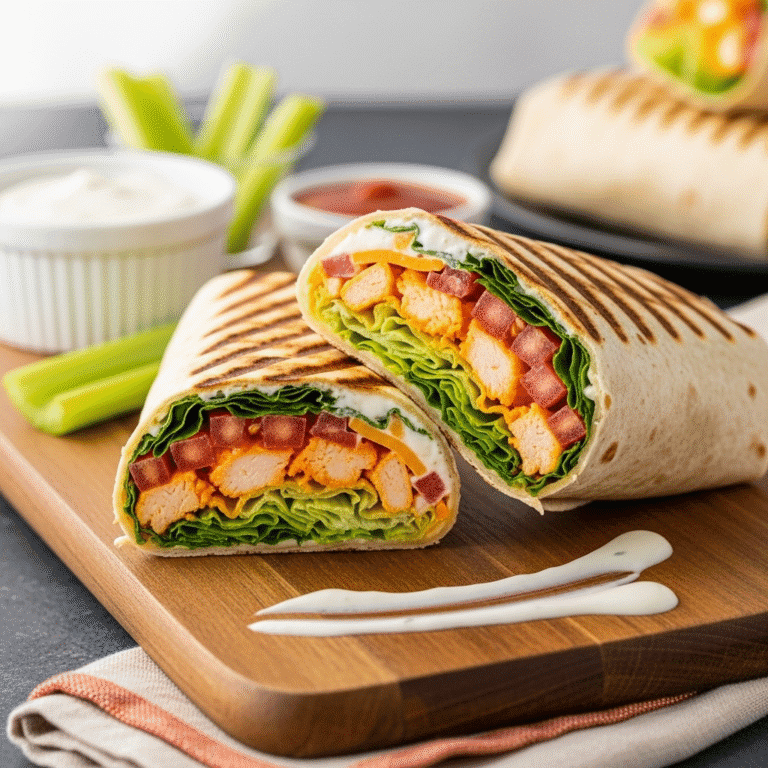
The Ultimate Ham and Cheese Sandwich Recipe: Perfectly Golden, Melty, and Irresistible

There’s something truly magical about a perfectly made ham and cheese sandwich. Whether you’re packing lunch for the kids, looking for a quick weeknight dinner, or craving comfort food that hits the spot every single time, this classic ham and cheese sandwich recipe delivers on all fronts. We’re not talking about a sad, cold sandwich with dry bread here—this is the ultimate version that features golden, buttery bread, perfectly melted cheese, and savory ham that creates the most satisfying bite imaginable.
This easy ham and cheese sandwich recipe is ideal for busy weekdays, lazy weekend brunches, after-school snacks, or even game day gatherings. It’s the kind of recipe that seems simple on the surface but becomes absolutely extraordinary when you use the right techniques and quality ingredients. Whether you call it a grilled ham and cheese, a hot ham and cheese sandwich, or simply a toasted ham and cheese, this recipe will become your go-to method for sandwich perfection.
History & Background of the Ham and Cheese Sandwich
The ham and cheese sandwich has deep roots in American culinary history, though the combination of cured pork and cheese dates back centuries across European cuisines. The modern grilled ham and cheese sandwich as we know it gained popularity in the United States during the 1920s, right around the time sliced bread became commercially available (yes, the famous phrase “the best thing since sliced bread” comes from this era!).
The grilled cheese sandwich became an American staple during the Great Depression because it was inexpensive, filling, and used simple pantry ingredients. Adding ham to the classic grilled cheese was a natural evolution—it transformed the sandwich from a simple cheese melt into a more substantial meal that provided protein and extra flavor. During World War II, Navy cooks prepared countless “American cheese filling sandwiches” (an early name for grilled cheese), and the ham version became a favorite variation.
The French have their Croque Monsieur, which is essentially an elevated ham and cheese sandwich topped with béchamel sauce. The Cubans perfected the Cuban sandwich with ham, roasted pork, Swiss cheese, pickles, and mustard on Cuban bread. But the American-style grilled ham and cheese sandwich holds its own special place in our hearts—it’s unpretentious, comforting, and reminds us of childhood lunches and simple pleasures.
Today, this sandwich appears on diner menus, school cafeterias, and home kitchens across the country. It’s proof that sometimes the simplest recipes, when done right, are the most satisfying.
Why You’ll Love This Ham and Cheese Sandwich Recipe
This isn’t just any ham and cheese sandwich—it’s the BEST ham and cheese sandwich you’ll ever make. Once you try this method, you’ll never go back to your old way of making sandwiches. Here’s what makes this recipe so special:
This easy grilled ham and cheese sandwich is perfect because it’s:
- Ready in 10 minutes – From fridge to plate in just minutes, making it perfect for busy schedules
- Budget-friendly – Uses affordable, everyday ingredients you probably already have
- Kid-approved – Even picky eaters love this golden, melty masterpiece
- Customizable – Easily adapt it to your taste preferences or dietary needs
- Foolproof – Simple techniques that guarantee perfect results every time
- Comfort food at its finest – Warm, crispy, gooey, and absolutely delicious
- Meal-prep friendly – Make multiple sandwiches at once for quick lunches all week
- Nostalgic yet elevated – Takes a childhood favorite and makes it restaurant-quality
The secret to this recipe is the perfect balance of crispy, buttery bread on the outside and warm, melted cheese with savory ham on the inside. We’ll also share the key techniques that prevent soggy sandwiches and ensure that gorgeous golden crust every single time.
Ingredient Notes for the Perfect Ham and Cheese Sandwich
Let’s talk about what goes into making the best grilled ham and cheese sandwich. Quality ingredients make all the difference here!
Bread: Choose a sturdy bread that can handle heat without falling apart. Sourdough, French bread, white sandwich bread, whole wheat, or Texas toast all work beautifully. Avoid very thin or airy breads that might get soggy. Day-old bread actually works better than fresh because it’s slightly drier and crisps up more easily.
Ham: Deli ham is the classic choice—go for honey ham, Black Forest ham, or Virginia ham depending on your flavor preference. You’ll want about 2-3 ounces per sandwich (3-4 slices). Avoid ultra-thin ham, which can get lost in the sandwich. Leftover holiday ham works wonderfully too! For a gourmet touch, try prosciutto or capicola.
Cheese: This is where the magic happens! Sharp cheddar melts beautifully and provides great flavor. Swiss cheese is traditional and offers those lovely mild, nutty notes. American cheese melts like a dream. Gruyère is perfect if you want something more sophisticated. Pro tip: Use freshly sliced cheese from the deli counter or shred your own—it melts much better than pre-shredded cheese, which contains anti-caking agents.
Butter: Real butter is non-negotiable for that golden, crispy exterior. Unsalted butter lets you control the salt level, but salted works too. Mayo can be substituted (yes, really!) and creates an incredibly golden crust. Some people use a combination of both.
Optional additions: Dijon mustard adds tangy depth, sliced tomatoes bring freshness, caramelized onions add sweetness, pickles provide crunch and acidity, and a tiny pinch of garlic powder in the butter takes things to the next level.
Equipment Needed
You don’t need fancy equipment to make the perfect ham and cheese sandwich, but having the right tools makes the process easier:
- Heavy-bottomed skillet or griddle – Cast iron works beautifully for even heat distribution, but non-stick is also great
- Spatula – A wide, sturdy spatula makes flipping easy
- Butter knife or small offset spatula – For spreading butter evenly
- Small bowl – If mixing butter with seasonings
- Plate – For assembling your sandwich
- Optional: Panini press or sandwich maker – These create restaurant-style pressed sandwiches with beautiful grill marks
- Optional: Aluminum foil – Can be used to cover the sandwich while cooking to help cheese melt

Ham and Cheese Sandwich Recipe
This classic ham and cheese sandwich recipe features perfectly golden, buttery bread with melted cheese and savory deli ham. It’s the ultimate comfort food that’s ready in just 10 minutes—crispy on the outside, gooey on the inside, and absolutely delicious every time.
- Total Time: 11 minutes
- Yield: 1 sandwich (easily multiplied) 1x
Ingredients
- 2 slices bread (sourdough, white, wheat, or your favorite)
- 2 tablespoons unsalted butter, softened (divided)
- 3-4 slices deli ham (2-3 ounces)
- 2 slices cheese (cheddar, Swiss, American, or Gruyère)
- Optional: 1 teaspoon Dijon mustard
- Optional: 2-3 pickle slices
- Optional: Pinch of garlic powder
Instructions
- Prepare your workspace: Remove butter from the refrigerator to soften slightly. Gather all your ingredients so everything is within reach. If your butter is too hard, you can soften it in the microwave for just 5-10 seconds.
- Butter the bread: Spread about 1/2 tablespoon of softened butter evenly on one side of each bread slice, making sure to go all the way to the edges. This ensures even browning and prevents dry spots. If desired, mix a tiny pinch of garlic powder into the butter before spreading for extra flavor.
- Assemble the sandwich: Place one slice of bread on your work surface, butter-side down. Layer one slice of cheese directly on the bread, then add all the ham slices (folding them slightly if needed to fit), then top with the second slice of cheese. If using mustard, spread it on the inside of the top bread slice before placing it butter-side up on top of the sandwich. The cheese-first approach helps create a barrier that prevents the bread from getting soggy.
- Heat your pan: Place your skillet over medium heat (not high—this is important!). Let it preheat for about 2 minutes. You want the pan hot enough to create a golden crust but not so hot that the bread burns before the cheese melts. Test it by sprinkling a drop of water in the pan—it should sizzle gently.
- Cook the first side: Carefully place your assembled sandwich in the preheated pan. Let it cook undisturbed for 3-4 minutes. Resist the urge to press down hard with your spatula, which can squeeze out the melted cheese. A gentle press is okay to ensure good contact with the pan. You’ll know it’s ready to flip when you lift the edge slightly and see a gorgeous golden-brown color.
- Flip and finish: Using your spatula, carefully flip the sandwich. Cook the second side for another 2-3 minutes until equally golden brown. If the cheese isn’t melting fast enough, reduce the heat slightly and cover the pan with a lid for the last minute—the trapped steam helps melt the cheese perfectly.
- Rest and serve: Remove the sandwich from the pan and let it rest on a cutting board for 1-2 minutes. This allows the cheese to set slightly so it doesn’t all ooze out when you cut it. Slice diagonally (because it just tastes better that way!) and serve immediately while hot and crispy.
Notes
- Temperature control is key: Medium heat prevents burning while allowing the cheese to melt. If your bread is browning too quickly, lower the heat.
- Don’t skip the butter on the edges: This prevents dry corners and ensures even browning.
- Cheese placement matters: Putting cheese directly against both slices of bread creates a barrier that keeps your sandwich from getting soggy and helps hold everything together.
- Make it crispy: For extra-crispy bread, use slightly stale bread or lightly toast fresh bread before assembling.
- Multiple sandwiches: When making several sandwiches, keep finished ones warm in a 200°F oven on a baking sheet while you cook the rest.
- Prep Time: 5 minutes
- Cook Time: 6 minutes
- Category: Lunch
- Method: Stovetop
- Cuisine: American
- Diet: Gluten Free
Nutrition
- Serving Size: 1 sandwich
- Calories: 485
- Sugar: 4g
- Sodium: 1,240mg
- Fat: 28g
- Saturated Fat: 15g
- Unsaturated Fat: 11g
- Trans Fat: 0g
- Carbohydrates: 32g
- Fiber: 2g
- Protein: 24g
- Cholesterol: 85mg
Tips & Variations to Customize Your Ham and Cheese Sandwich
The beauty of this recipe is how easily you can adapt it to your preferences:
Cheese variations: Try combining cheeses for more complex flavor—sharp cheddar with Swiss is fantastic, or use pepper jack for a spicy kick. Brie makes it luxurious, while smoked gouda adds incredible depth.
Meat variations: Swap ham for turkey, roast beef, or even bacon. You can also use leftover holiday ham, rotisserie chicken, or make it vegetarian by using only cheese with added vegetables.
Add vegetables: Sliced tomatoes, baby spinach, arugula, caramelized onions, roasted red peppers, or sautéed mushrooms all add nutrition and flavor. Just make sure vegetables aren’t too wet, which can make the sandwich soggy.
Sauce it up: Spread Dijon mustard, honey mustard, pesto, or a thin layer of mayonnaise on the inside. A touch of fig jam with prosciutto is absolutely divine.
Bread alternatives: Try croissants for a French-inspired version, bagels for a heartier sandwich, or gluten-free bread to accommodate dietary needs. Rye bread gives it a deli-style flavor.
Make it fancy: Add a fried egg on top for a breakfast-style sandwich, drizzle with hot honey for sweet heat, or serve it with tomato soup for dunking (a classic combo!).
Pro Chef Tips for Restaurant-Quality Results
Want to make your ham and cheese sandwich taste like it came from a gourmet café? Here are insider secrets:
Use room temperature ingredients: Cold cheese takes longer to melt, which means you risk burning the bread before the inside is warm. Let your cheese and ham sit out for 10-15 minutes before cooking.
Shred your own cheese: Pre-shredded cheese contains cellulose (an anti-caking agent) that prevents smooth melting. Freshly shredded or sliced cheese melts like silk.
Create steam for perfect melting: Add a tablespoon of water to the pan and immediately cover with a lid during the last minute of cooking. The steam helps melt the cheese without overcooking the bread.
Try the mayo method: Many chefs swear by spreading mayonnaise on the outside of the bread instead of butter. It creates an incredibly golden, crispy crust and won’t burn as easily. You can also do half butter, half mayo for the best of both worlds.
Low and slow wins: Patience is everything. Cooking over medium-low heat for a slightly longer time results in a crispier crust and perfectly melted interior.
Add weight for the perfect press: Place a heavy pan on top of the sandwich while cooking to create those beautiful grill marks and ensure even browning. This works especially well if you don’t have a panini press.
Common Mistakes to Avoid
Even a simple ham and cheese sandwich can go wrong. Here’s how to avoid the most common pitfalls:
Mistake #1: Using high heat – This burns the bread before the cheese melts. Always use medium or medium-low heat and be patient. Golden and crispy takes time.
Mistake #2: Too much filling – Overstuffing prevents the cheese from melting evenly and makes the sandwich difficult to flip. Two slices of cheese and 2-3 ounces of ham is the sweet spot.
Mistake #3: Not buttering to the edges – This leaves dry corners that don’t crisp up. Spread butter all the way to the crust for complete golden coverage.
Mistake #4: Pressing too hard – Squishing the sandwich with your spatula squeezes out all that beautiful melted cheese. A gentle press is fine, but don’t flatten it.
Mistake #5: Cutting too soon – Slicing immediately after cooking lets all the melted cheese run out. Let it rest for 1-2 minutes so the cheese sets slightly and stays in your sandwich where it belongs.
Storage & Meal Prep
While grilled ham and cheese sandwiches are best enjoyed fresh and hot, you can plan ahead to make weekday lunches easier:
Storing cooked sandwiches: Let sandwiches cool completely, then wrap tightly in aluminum foil or place in an airtight container. Refrigerate for up to 2 days. The bread will soften in the fridge, but you can re-crisp it.
Reheating: The oven method works best to restore crispiness. Preheat oven to 350°F, place unwrapped sandwiches on a baking sheet, and heat for 8-10 minutes, flipping halfway through. You can also reheat in a skillet over medium-low heat for 2-3 minutes per side. The microwave will make it soggy, so avoid if possible.
Meal prep strategy: Assemble sandwiches (without butter) and wrap individually in parchment paper, then place in a container or freezer bag. Store in the fridge for up to 3 days. When ready to eat, butter the outside and cook as directed. This saves time during busy mornings!
Make-Ahead & Freezer Notes
Can you freeze ham and cheese sandwiches? Yes! Here’s how to do it successfully:
Freezing uncooked sandwiches: Assemble sandwiches without butter. Wrap each sandwich tightly in plastic wrap, then again in aluminum foil. Label with the date and freeze for up to 1 month. When ready to cook, let thaw in the refrigerator overnight, butter the outside, and cook as directed.
Freezing cooked sandwiches: Cook sandwiches fully and let cool completely. Wrap individually in foil and freeze for up to 2 months. To reheat, remove foil and microwave for 30 seconds to defrost, then crisp up in a 350°F oven for 10 minutes or in a skillet.
Best method: Freezing uncooked sandwiches gives you fresher results, but cooked sandwiches are convenient for grab-and-go situations.
Thawing tips: For best texture, always thaw in the refrigerator overnight rather than at room temperature, which can create sogginess.
Serving Suggestions
A perfect ham and cheese sandwich deserves equally delicious accompaniments:
Soups: Tomato soup is the classic pairing—there’s nothing better than dipping your crispy sandwich into warm, creamy tomato soup. Chicken noodle soup, potato soup, or French onion soup also work beautifully.
Salads: Balance the richness with a light garden salad with vinaigrette, Caesar salad, coleslaw, or a cucumber and tomato salad with fresh dill.
Sides: Crispy potato chips (kettle-cooked for extra crunch), sweet potato fries, pickle spears, roasted vegetables, or fresh fruit like apple slices or grapes add variety to your plate.
Beverages: Serve with iced tea, lemonade, chocolate milk for kids, or a cold beer for adults. A sparkling water with lemon is refreshing alongside the rich sandwich.
Turn it into a combo: Make it a complete diner-style meal with a side of fries, coleslaw, and a pickle spear. Add a milkshake for the full retro experience!
FAQs About Ham and Cheese Sandwiches
Can I make this sandwich in advance?
Yes! You can assemble sandwiches up to 3 days ahead and store them in the refrigerator. Add butter just before cooking for the crispiest results. For longer storage, freeze uncooked sandwiches for up to 1 month.
What’s the best cheese for melting?
American cheese melts the smoothest, but sharp cheddar, Swiss, Gruyère, fontina, and Havarti all melt beautifully. Avoid hard cheeses like Parmesan or dry cheeses like feta, which don’t melt well. For the ultimate melt, use freshly sliced cheese from the deli counter.
Can I use a panini press instead of a skillet?
Absolutely! A panini press creates restaurant-style pressed sandwiches with gorgeous grill marks. Preheat the press, butter the outside of your sandwich, and cook for 3-4 minutes until golden and the cheese is melted. The pressure helps create extra crispy bread.
How do I prevent my sandwich from getting soggy?
Place cheese directly against both slices of bread to create a moisture barrier. Avoid wet ingredients like tomatoes unless you pat them very dry first. Make sure your pan is properly preheated, and don’t use too much butter, which can make bread greasy rather than crispy.
Is mayonnaise better than butter for the outside?
Many chefs prefer mayo because it contains oil and egg, which creates an incredibly golden, crispy crust and doesn’t burn as easily as butter. Try it both ways and see which you prefer! Some people do a combination of both for the best flavor and texture.
Can I make this sandwich healthier?
Use whole wheat or multigrain bread, choose lower-sodium deli ham or leftover roasted turkey, opt for reduced-fat cheese, and add vegetables like spinach or tomato. You can also use less butter or spray the pan with cooking spray instead.
Why isn’t my cheese melting?
Your heat might be too high, causing the bread to brown before the cheese has time to melt. Cook over medium or medium-low heat and be patient. You can also cover the pan with a lid during the last minute to trap heat and steam, which helps melt the cheese perfectly.
Conclusion
There you have it—the ultimate guide to making the perfect ham and cheese sandwich! This classic recipe proves that simple ingredients, when combined with the right techniques, create something truly special. Whether you’re making a quick lunch for yourself, feeding hungry kids after school, or preparing an easy dinner that everyone will love, this grilled ham and cheese sandwich delivers every single time.
The golden, buttery bread with its satisfying crunch gives way to warm, melty cheese and savory ham in every bite. It’s comfort food at its finest—nostalgic, satisfying, and absolutely delicious. Once you master this basic technique, you’ll find yourself making variations for breakfast (add an egg!), lunch, dinner, and late-night snacks.
I’d love to hear how your ham and cheese sandwich turned out! Did you try any of the variations? Do you have a secret ingredient that makes yours extra special? Leave a comment below and let me know. And if you loved this recipe, please share it on Pinterest so other home cooks can discover the joy of a perfectly made ham and cheese sandwich too!
Don’t forget to pin this recipe to your favorite Pinterest boards for easy access whenever a sandwich craving hits. You can find me on Pinterest sharing more easy, delicious recipes perfect for busy home cooks. Happy cooking, friends!